3rd regular housing supply briefing
6,000 units to move in Seoul in Q1 next year
3rd-generation new towns accelerate pre-sales
Equity-accumulation housing to launch in Goyang Changneung
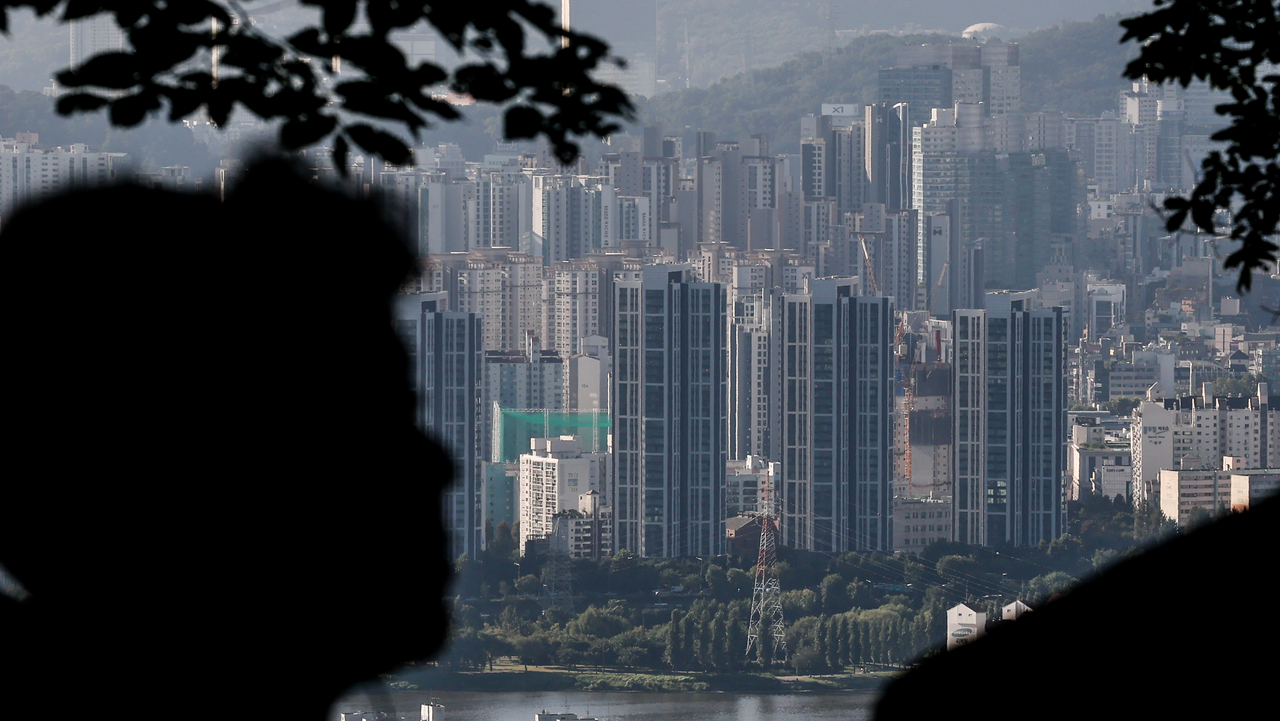
About 44,000 apartments are set to be handed over to residents across the greater Seoul metropolitan area from this month through the first quarter of next year, while roughly 11,000 additional units are to be put up for pre-sale by year-end, centered on third-generation new towns.
The Office for Government Policy Coordination, the Ministry of Land, Infrastructure and Transport, the Financial Services Commission and other related ministries held a regular housing supply briefing Friday at Government Complex Seoul in Jongno-gu, announcing recent housing market trends, move-in and pre-sale volumes for Seoul and the metropolitan area through the first quarter of next year, and progress on regulatory reforms to accelerate housing supply.
Of the planned move-ins in the metropolitan area, about 16,000 units are scheduled for November and December, with another roughly 28,000 in the first quarter of next year. About 6,000 of those first-quarter units will be in Seoul, including approximately 4,000 in sought-after neighborhoods such as Mapo, Seocho and Yongsan.
Pre-sales will continue as well. Following the pre-sale of about 16,000 units in October — including 1,305 in Godeok Gangil in Seoul — an additional roughly 11,000 units are set to go on sale by year-end. Third-generation new town pre-sales are picking up pace in particular, with 1,100 units in Goyang Changneung, 400 in Namyangju Wangseok and 500 in Bucheon Daejang among those coming to market.
Goyang Changneung will also offer 284 units of equity-accumulation public housing next month. Under the scheme, buyers pay 25 percent of the pre-sale price upon move-in and acquire the remaining equity in installments over 20 years, reducing the upfront financial burden for end-users.
The government said it is also pushing regulatory reforms to speed up housing supply. Of 145 reform tasks included in the Aug. 13 rapid housing supply measures, 65 have been completed, with the remaining 80 on track, officials said.
Land acquisition and project progress in the third-generation new towns are also accelerating. For pilot districts where the fastest-track public land development model has been applied, the average relocation rate climbed from 53 percent in July last year to 91 percent in October this year, while the demolition rate rose from 34 percent to 70 percent over the same period. The districts covered include Namyangju Wangseok Districts 1 and 2, Goyang Changneung, Bucheon Daejang, Incheon Gyeyang and Hanam Gyosan. For the Gwangmyeong-Siheung public housing site, parallel surveys and appraisals cut the time to begin compensation by four months compared with the original schedule.
Korea Land and Housing Corporation (LH) will secure an additional 9,000 units of supply this year alone through a second-half open call for private-participation public housing projects.
LH launched a tender Friday covering 5,782 units across six blocks, including sites in Namyangju Wangseok 2 and Goyang Changneung. The total project cost is 1.6 trillion won ($1.2 billion), and LH plans to select developers by year-end with a target groundbreaking next year. The six blocks on offer include Namyangju Wangseok 2 Block A-10 and Goyang Changneung Block A-3 — both third-generation new town sites — as well as Suwon Dangsu, Siheung Geomo and other well-located metropolitan area sites.
A separate tender for about 3,000 units across four additional blocks, including the Wirye business district, worth around 900 billion won, is to be rolled out in stages through December. LH said it will accelerate the pace with a target groundbreaking next year.
The government characterized the recent slowdown in Seoul apartment price gains and the rise in listings as signs of market stabilization. It noted that Seongdong-gu and Gangdong-gu have joined the three Gangnam-area districts in turning negative, and that the number of Seoul apartments listed for sale surpassed 80,000 as of Wednesday — up more than 40 percent from the start of the year.
The government plans to fully launch a housing supply integrated support center next month and to release a digital housing supply dashboard by year-end. "We will move quickly to resolve difficulties on the ground and actively remove factors causing project delays," an Office for Government Policy Coordination official said.
hss@heraldcorp.com