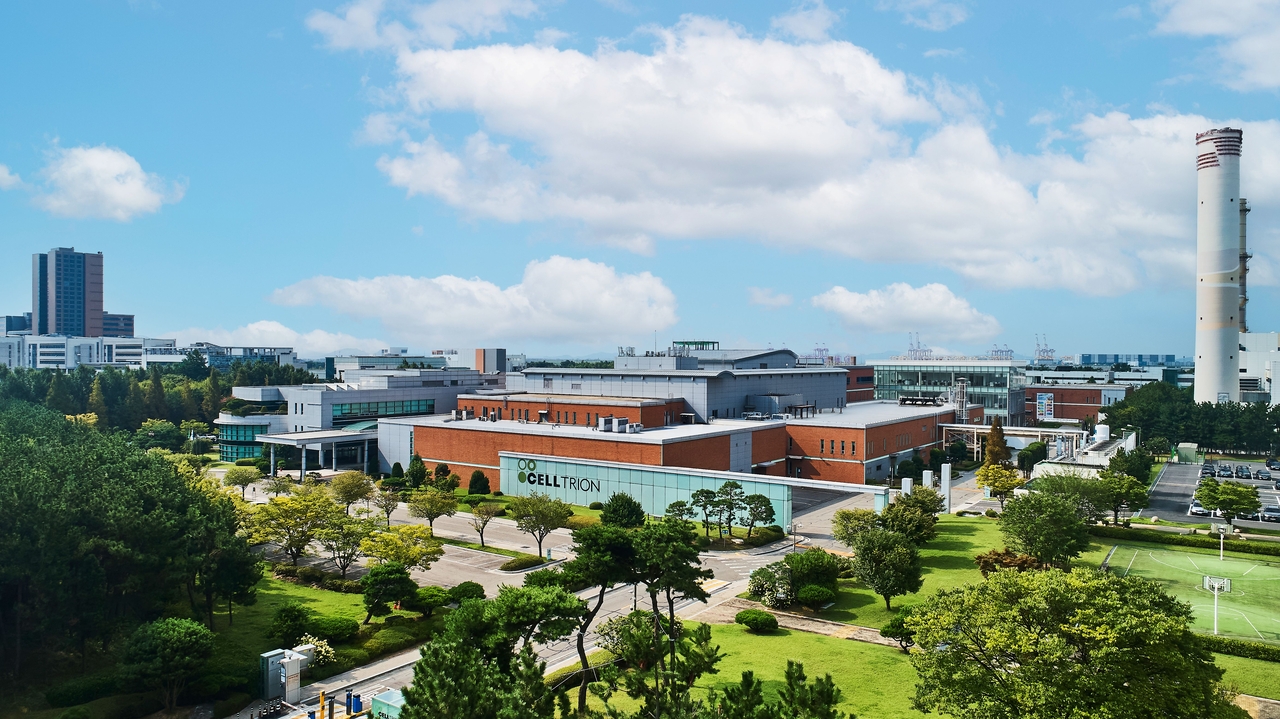
Tongyeong facility to supply Korea Southern Power's Hadong plant
First commercial use of oyster-shell desulfurizer at a domestic coal-fired plant
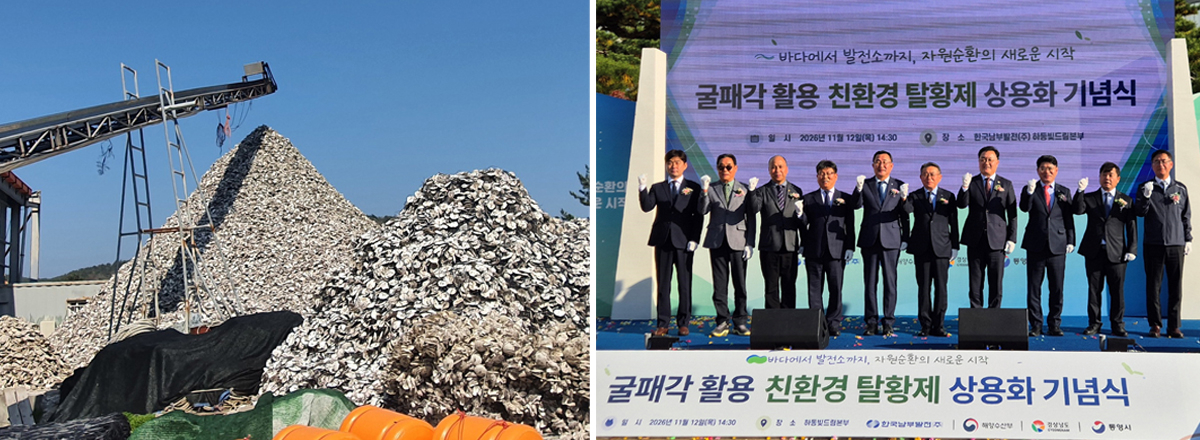
Oyster shells that have long been a nuisance along the South Gyeongsang Province coast are set to be reborn as an industrial raw material for desulfurization equipment at coal-fired power plants. With a stable annual outlet of 20,000 tons now secured, there are fresh hopes of resolving the chronic problem of disposing of fishery byproducts.
According to South Gyeongsang Province, the operator of Tongyeong's oyster-shell resource recovery facility signed a supply contract with Korea Southern Power on Monday for oyster-shell desulfurizer. Under the agreement, desulfurizer produced at the facility will be delivered to Korea Southern Power's Hadong Bitdeurim headquarters.
The annual supply will amount to 20,000 tons of desulfurizer, requiring about 40,000 tons of raw oyster shells to produce — equivalent to half the facility's maximum annual processing capacity of 80,000 tons. South Gyeongsang Province said it expects the deal to significantly ease the operation of the resource recovery facility and the handling of fishery byproducts now that a large-scale buyer has been secured.
Power plants use desulfurizers to reduce SOx generated during fuel combustion, and limestone has traditionally been the primary material. The product to be supplied is made by calcining oyster shells at temperatures above 700 degrees Celsius. Two rounds of pilot testing confirmed that the oyster-shell material can replace up to 40 percent of conventional limestone, the province said. It marks the first time oyster-shell desulfurizer has been supplied commercially to a coal-fired power plant in South Korea.
Korea Southern Power held a commercialization ceremony at the Hadong Bitdeurim headquarters on Thursday. About 100 people attended, including officials from South Gyeongsang Province, the Ministry of Oceans and Fisheries, Tongyeong, Hadong-gun, Korea Southern Power and the Oyster Hanging Culture Fisheries Cooperative, as well as local residents. Attendees shared updates on the project and toured the power plant.
The oyster-shell resource recovery facility in Dosan-myeon, Tongyeong, was completed in December 2024 at a cost of 16 billion won ($12 million). Equipped with pre-treatment, heat-treatment and storage facilities, it has a maximum annual processing capacity of 80,000 tons. The province held eight working-level consultations to carry out product testing and finalize the contract.
Last year, South Gyeongsang Province generated 230,000 tons of fishery byproducts, including oyster shells, of which about 68,000 tons were classified as a disposal burden. The new contract will allow 20,000 tons of oyster shells to be recycled annually. Korea Southern Power has also set a goal of further expanding supply volumes going forward.
South Gyeongsang Province plans to use the Hadong Bitdeurim supply as a springboard to expand into other power plants. The province views 15 coal-fired power plants operating nationwide as potential buyers and intends to pursue supply agreements with plants in other regions in coordination with the Ministry of Oceans and Fisheries. The timing and volume of actual supply will vary depending on each plant's equipment conditions, testing procedures and contract outcomes.
The province plans to confirm the feasibility and purchasing demand at each plant before expanding its customer base in stages. The broader aim is to build a circular resource system for fishery byproducts by extending the use of oyster shells beyond existing applications — fertilizer and oyster spat substrate — to power plant raw materials. The actual scale of expansion will be determined by the results of follow-up testing and contract negotiations.
"Oyster shells, which have long been a major headache to dispose of, have finally secured a stable outlet as an essential industrial resource for power plants," said Lee Sang-hoon, director of the marine affairs and fisheries bureau at South Gyeongsang Province. "We will actively diversify new buyers across 15 coal-fired power plants nationwide, expand supply volumes, fundamentally ease the disposal burden on fishermen and make tangible improvements to the coastal environment."
ook967@heraldcorp.com