Share of consumers planning to make kimchi at home falls even as ingredient costs drop
More shoppers opt for packaged kimchi, citing convenience and flexibility
Frozen food spending also on the rise, led by Korean pancakes and noodles
A resident in their 40s living in Gwangjin-gu, Seoul, recently ordered several varieties of packaged kimchi from a well-known food company. "My parents no longer make kimchi at home either, and doing it myself feels like too much of a burden — both the cost and the process," Kim said. "Since I don't have a kimchi refrigerator, storage is a problem too, so I figured it's easier to just buy a little whenever I run out."
More consumers are reaching for ready-made food instead of cooking from scratch, as the growing variety of small-portion convenience products reshapes buying habits.
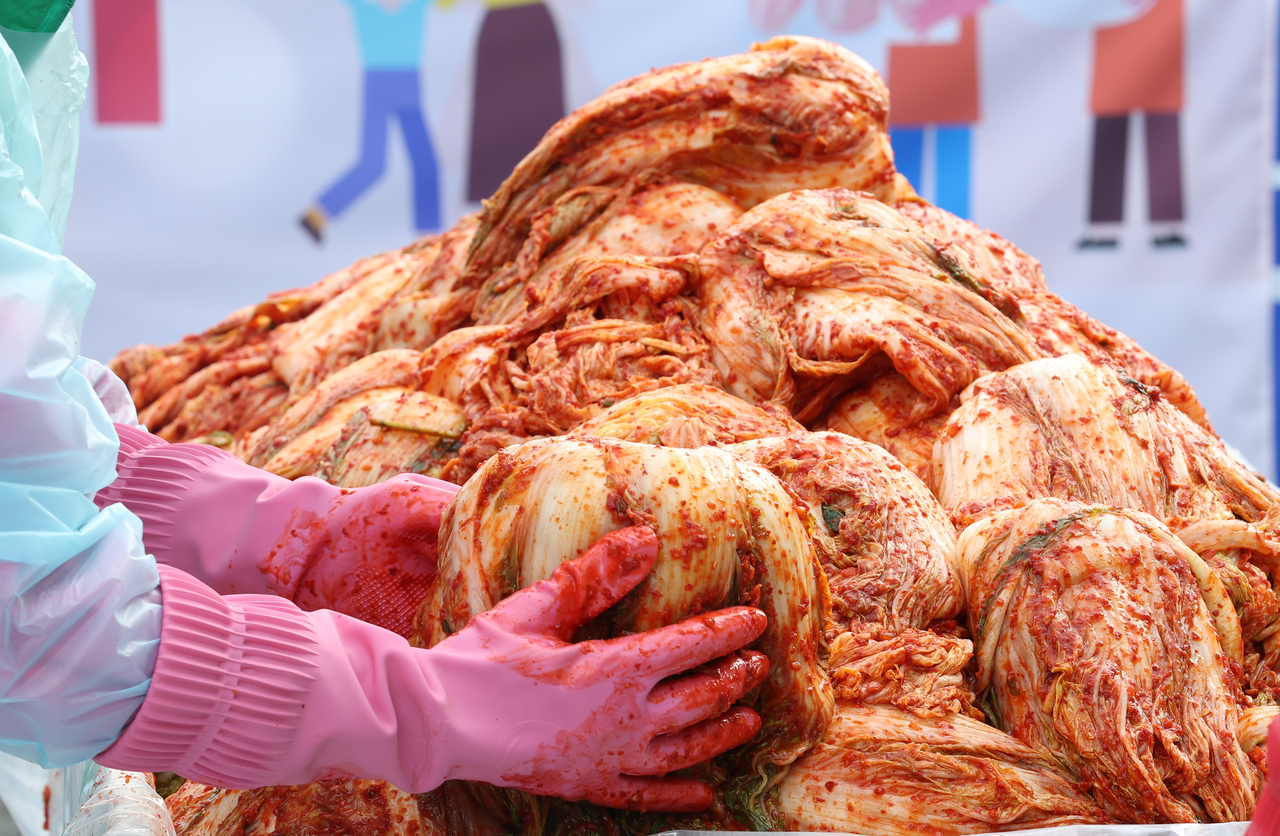
According to the Korea Rural Economic Institute's report on consumer kimjang intentions and vegetable supply outlook for 2026, released Saturday, 41.4 percent of respondents said they plan to buy packaged kimchi this year — up 5.5 percentage points from 35.9 percent in last year's survey. The share of those who said they would make kimchi themselves or obtain it from acquaintances fell 5.5 percentage points to 58.6 percent.
The decline in home kimjang — or sourcing kimchi through personal networks — was seen across all age groups. Those in their 30s and younger recorded the steepest drop, at 6.3 percentage points. Respondents in their 40s and 50s fell 4.9 and 5.6 percentage points, respectively, while those 60 and older declined 5.4 percentage points.
The trend is notable because it comes even as the cost of kimjang ingredients has fallen. According to the Korea Agro-Fisheries and Food Trade Corporation, the average cost of making kimchi stood at 199,456 won ($150) as of Monday, down 9 percent from the average of 219,071 won recorded in early November last year. The Korea Rural Economic Institute separately estimated that kimjang costs for a four-person household were about 4 percent lower than last year and around 5 percent below the long-term average.
A widening range of commercial kimchi products is driving the shift. Department stores and hotels have joined traditional food companies in entering the kimchi market. E-commerce platform Kurly teamed up with CJ CheilJedang in September last year to launch the "Jeil Matge Kurly" line of whole-cabbage and bachelor radish kimchi. Kurly's packaged kimchi transaction volume — including its own-brand products — rose 35 percent year-on-year in the July–September period, while the number of packaged kimchi products on offer grew 28 percent.
Among respondents in the Korea Rural Economic Institute survey who said they would buy packaged kimchi, the most common reasons were being able to buy only as much as needed (43.9 percent) and finding kimchi-making too much of a hassle (34.4 percent). Others cited lower cost compared with making it at home (9.0 percent) and not knowing how to make kimchi (8.1 percent).
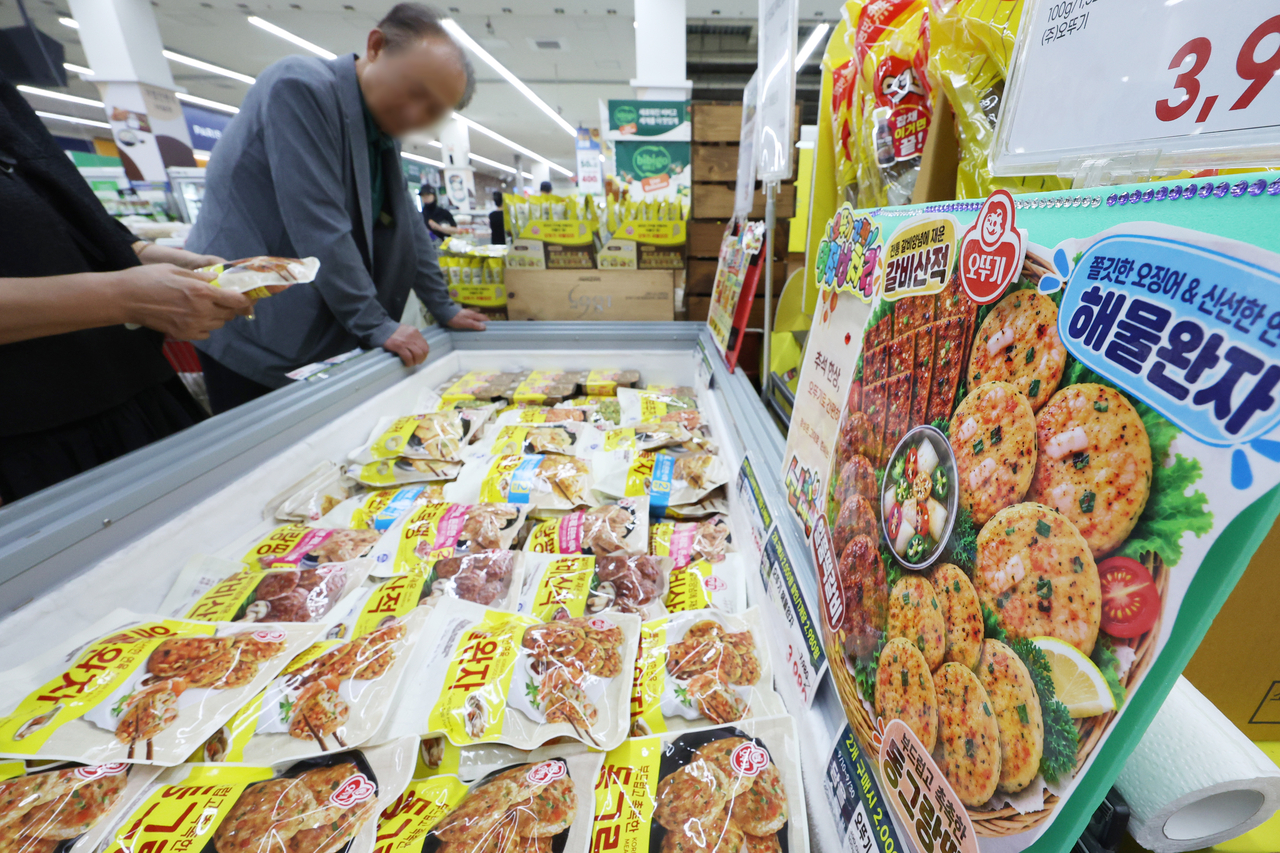
Demand for frozen food is also climbing. According to purchase data analysis by Macromill Embrain, estimated spending across 16 major frozen food categories totaled 3.8 trillion won in the 12 months through September, up 2.8 percent from the same period a year earlier. The number of purchase transactions rose 2.1 percent over the same period.
Among the 16 categories, Korean-style pan-fried foods such as jeon posted the strongest growth, with estimated spending up 21.4 percent year-on-year — marking a second consecutive year of more than 20 percent growth. Frozen noodles saw spending rise 19.5 percent, with transaction volume also up a strong 18.3 percent. Meatballs and patties (13.5 percent) and mandu (5.9 percent) also recorded gains.
soho0902@heraldcorp.com