Kasbahs found across Morocco, from Marrakech to Rabat
Women of the kasbah drive economic life within fortress walls
Crafts, ceramics and fine food sold under the kasbah's protection
Colonial-era lament later rewritten as a romance
"Woman of the Kasbah," another hit by Son Mok-in — the composer behind the beloved song "Tears of Mokpo" — carried a quietly sorrowful story when it was first released in Japan. The song captured the hardship and lyrical longing of a woman in northwestern Africa navigating life under colonial rule, doing whatever work she could to get by.
Years later, in 1992, Yun Hui-sang — known for the song "Chilgapsan" — recorded a Korean version under the same title but rewrote the lyrics as a romance. Then in 2020, Young-tak, who had risen to become one of the country's most popular singers, recorded his own cover, bringing the song back into wide circulation for a new generation.

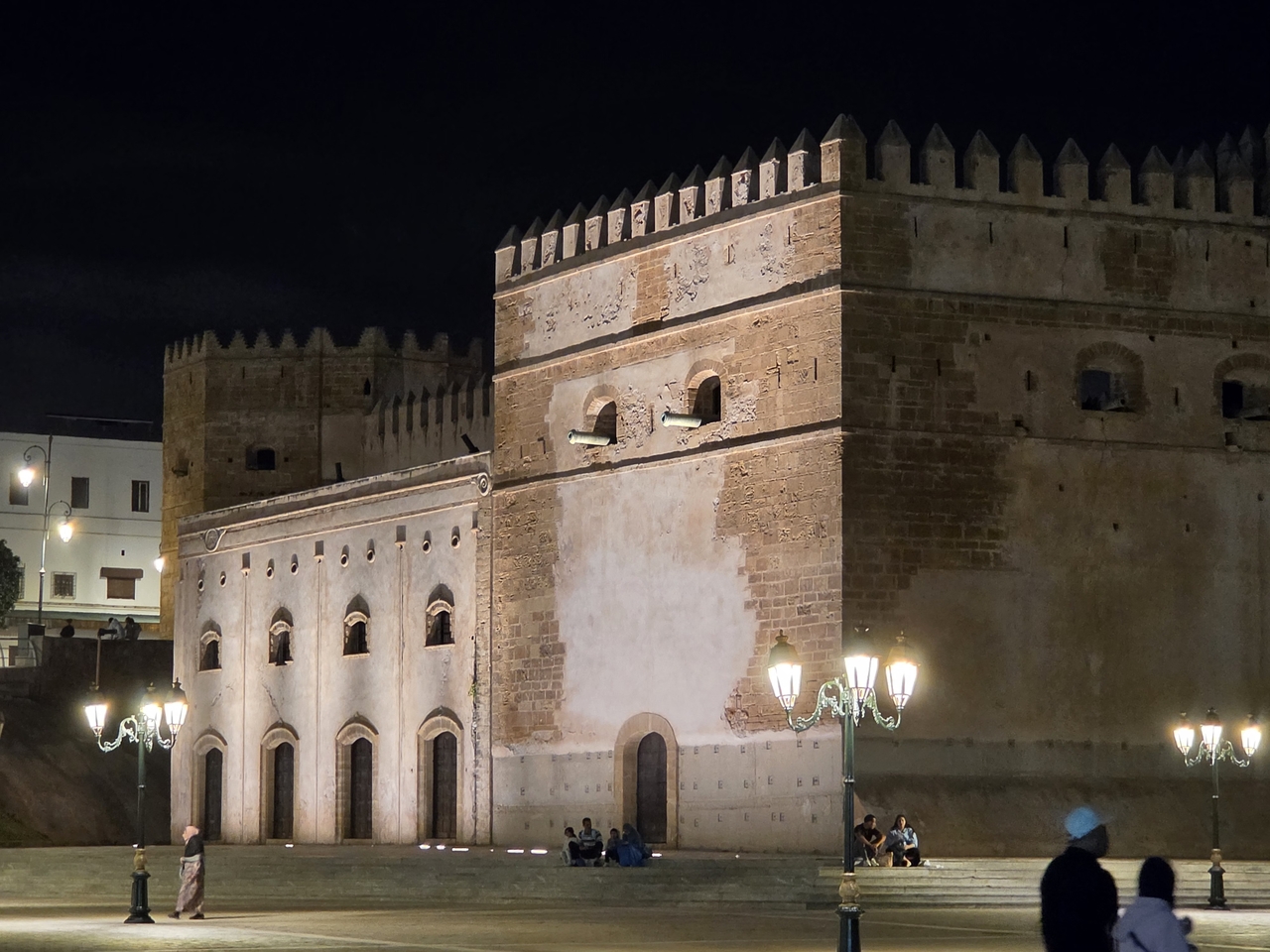
Many fans mistakenly assume a kasbah is a type of bar, but the word actually refers to a fortress and the walled settlement built within it — structures that began to take shape roughly 1,000 years ago, when Morocco, Algeria, Western Sahara, Tunisia and southern Spain formed a single realm under the Almoravid and Almohad dynasties.
Built on elevated ground, with residents living and working inside the walls, a kasbah resembles a hybrid of Korea's mountain fortresses and walled towns, or something akin to the ancient Greek polis.
Why the women of the kasbah are known for their wisdom
Morocco, Tunisia and the rest of northwestern Africa border the Mediterranean, giving their populations skin tones similar to those of southern Europeans — and a history of maritime rivalry with Rome. Sitting at the crossroads between the Atlantic and the Mediterranean, Morocco has been a coveted economic and military prize for more than 2,500 years, contested by the indigenous Berbers, the Phoenicians of Mesopotamia, Rome, Persia, Islamic dynasties, and eventually Spain and France.
Even the Ottoman Empire, which once dominated much of Eurasia, never managed to conquer Morocco — a testament to the enduring strength of its indigenous forces.
Living under the constant threat of invasion, Moroccans built their resilience around strong fortresses while developing trade, agriculture and commerce. Each time a new power took hold, they found ways to adapt and survive, accumulating hard-won practical wisdom over the centuries.
Cultural tourism guide Alaoui Fdili M'hamed said a kasbah's layout reflected this logic: markets for economic activity came first, then fortresses to protect them, and finally mosques to sustain the community's spiritual bonds — with the mosque eventually doubling as a royal palace or local seat of government. The kasbah, he said, was above all a shield for the livelihoods of its residents.
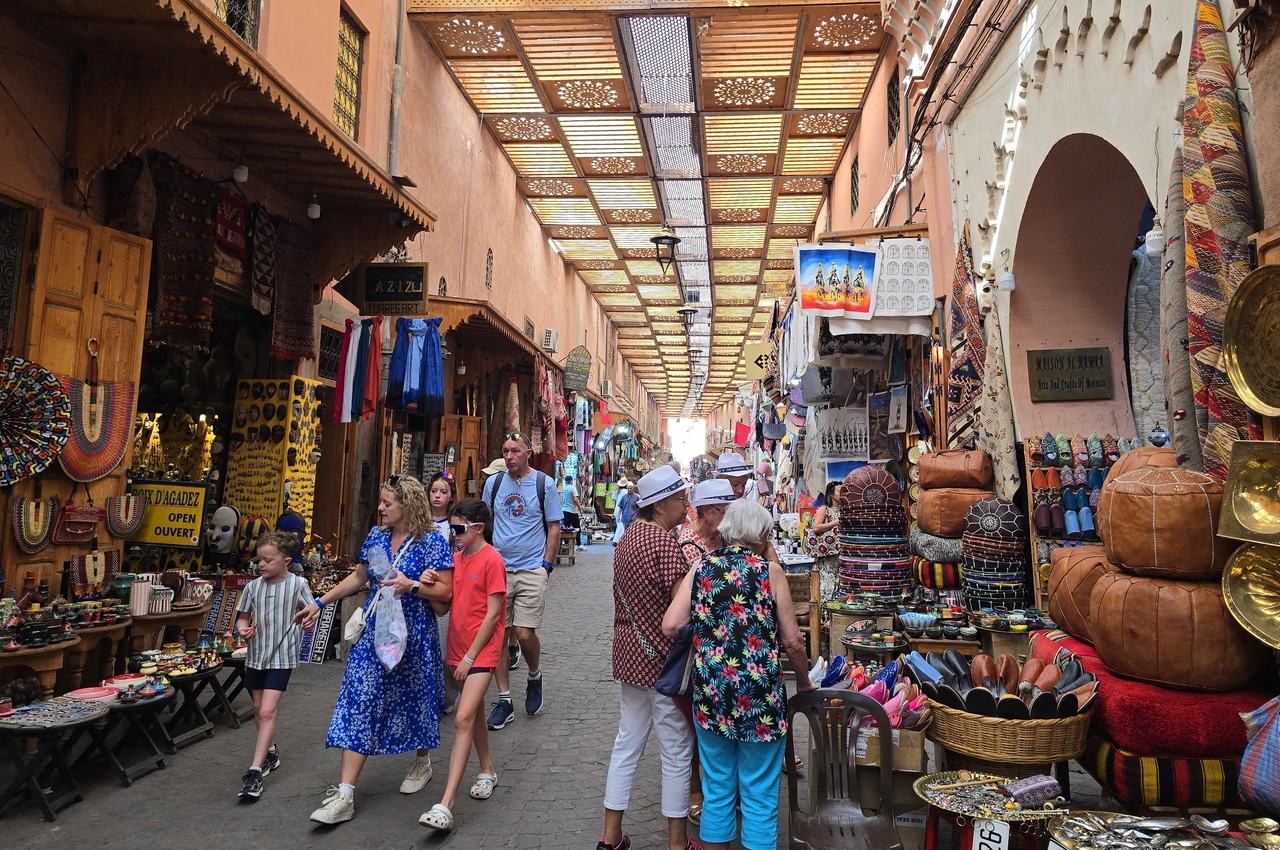
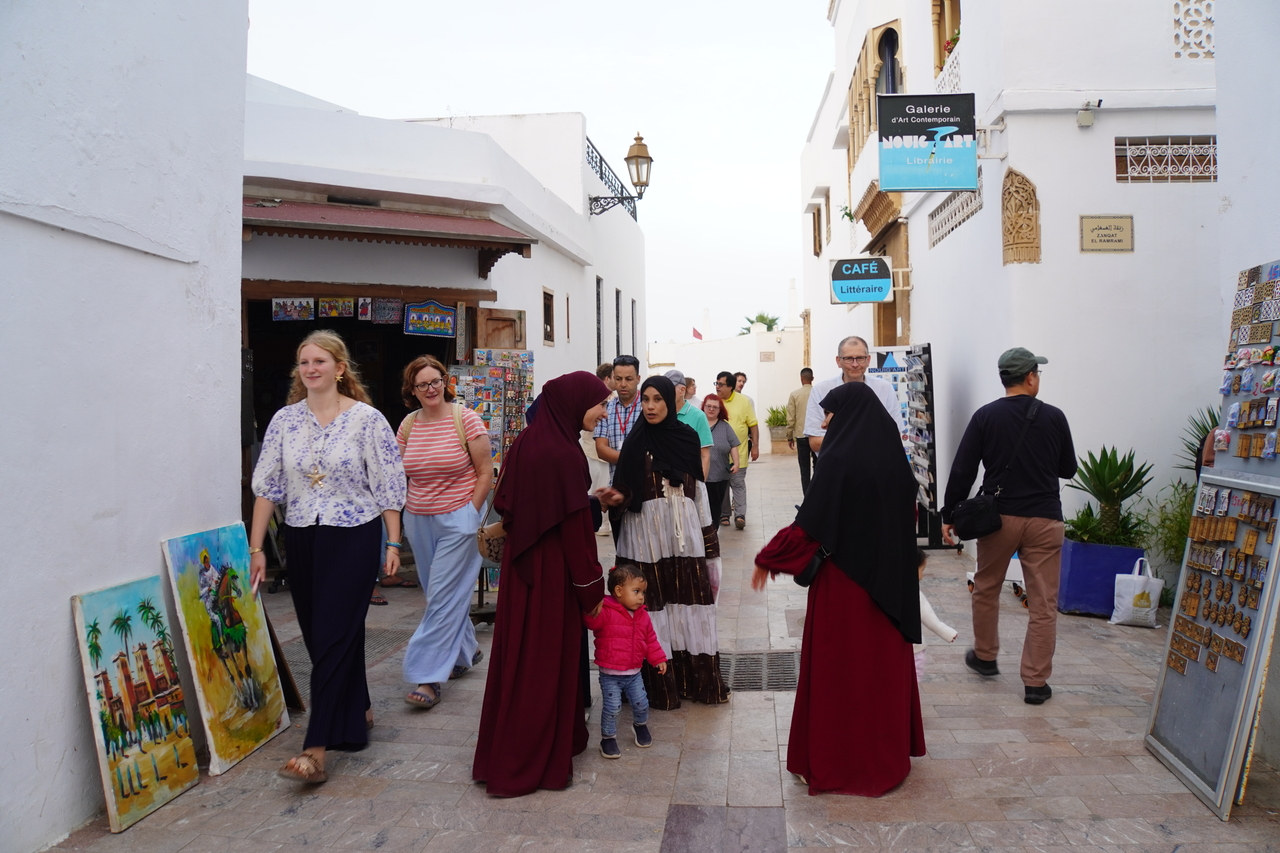
Step inside the medina — the historic commercial quarter within the fortress walls — and the traditional souk, and the women of the kasbah are everywhere at work: displaying and selling finely crafted goods, ceramics and leather products; preparing food and desserts that draw on European, African, Arabian and Asian culinary traditions; and selling beauty products made from extracted and processed argan oil.
As commerce and craftsmanship flourished and money flowed in, the service sector grew alongside them, and spaces for cultural activity and entertainment multiplied — drawing, it seems, the heavily made-up women of the night that the song describes.
Mansur's Kasbah of Marrakech
Kasbahs can be found in all of Morocco's major cities — Rabat, Marrakech, Fes, Essaouira and Tangier, each with a population of around 1 million. Algeria, which shared a political community with Morocco through the medieval period, is said to have many as well.
The Kasbah of Marrakech was built in the late 12th century by the ruler Abu Yusuf Yaqub al-Mansur. Morocco's name, it is worth noting, derives from Marrakech — the current English form reflecting American pronunciation.
Mansur constructed a royal palace and fortress complex in Marrakech that served as the city's seat of government for centuries afterward.
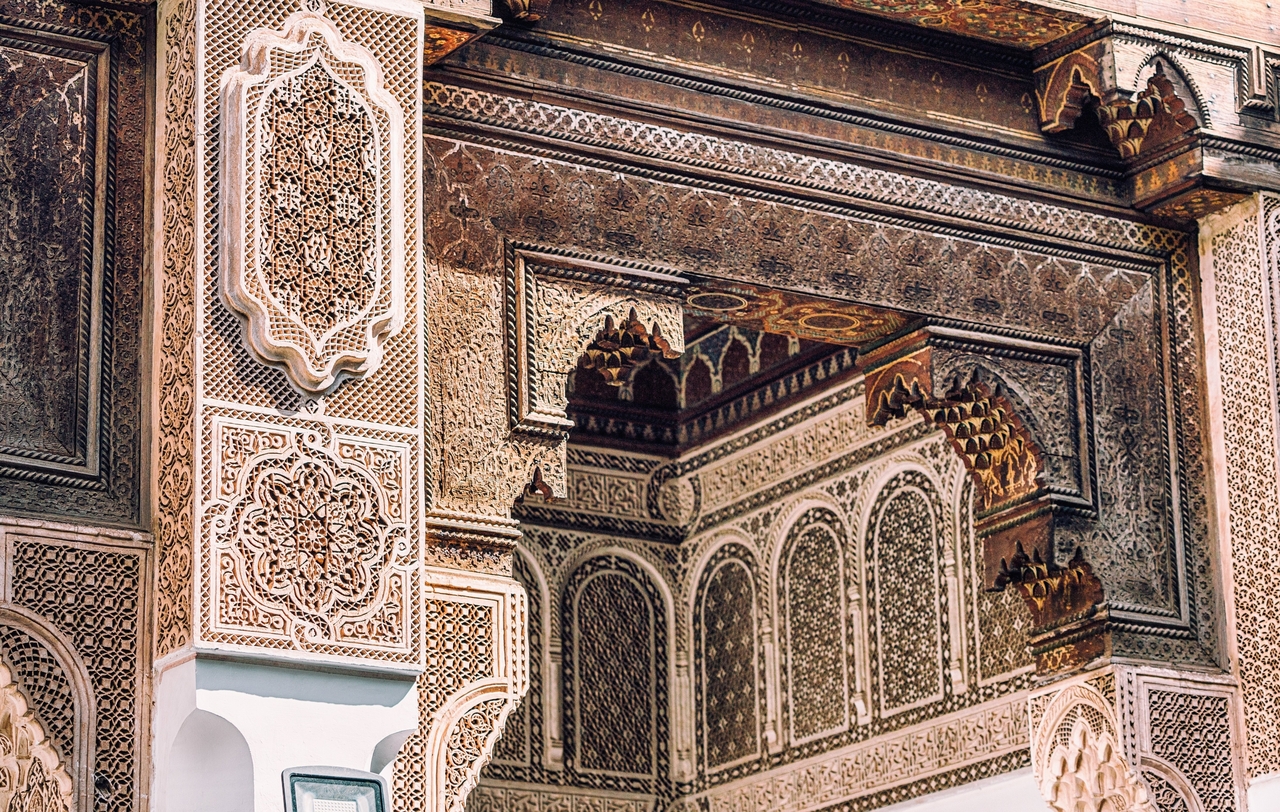
The royal district included the Kasbah Mosque of Marrakech — also known as the El Mansouriya Mosque — and was accessed through the Bab Agnaou Gate, one of the city's most celebrated landmarks. The gate is regarded as a classic example of Islamic architecture, featuring elaborate arabesque carvings and a horseshoe arch.
Though not definitively documented, historians generally believe that Mansur completed construction of the Koutoubia Mosque, the 12th-century landmark that defines Marrakech's skyline. The mosque stands about 800 meters from the Bab Agnaou Gate.
Blue lanes, white walls and vivid alleyways: the Kasbah of Rabat
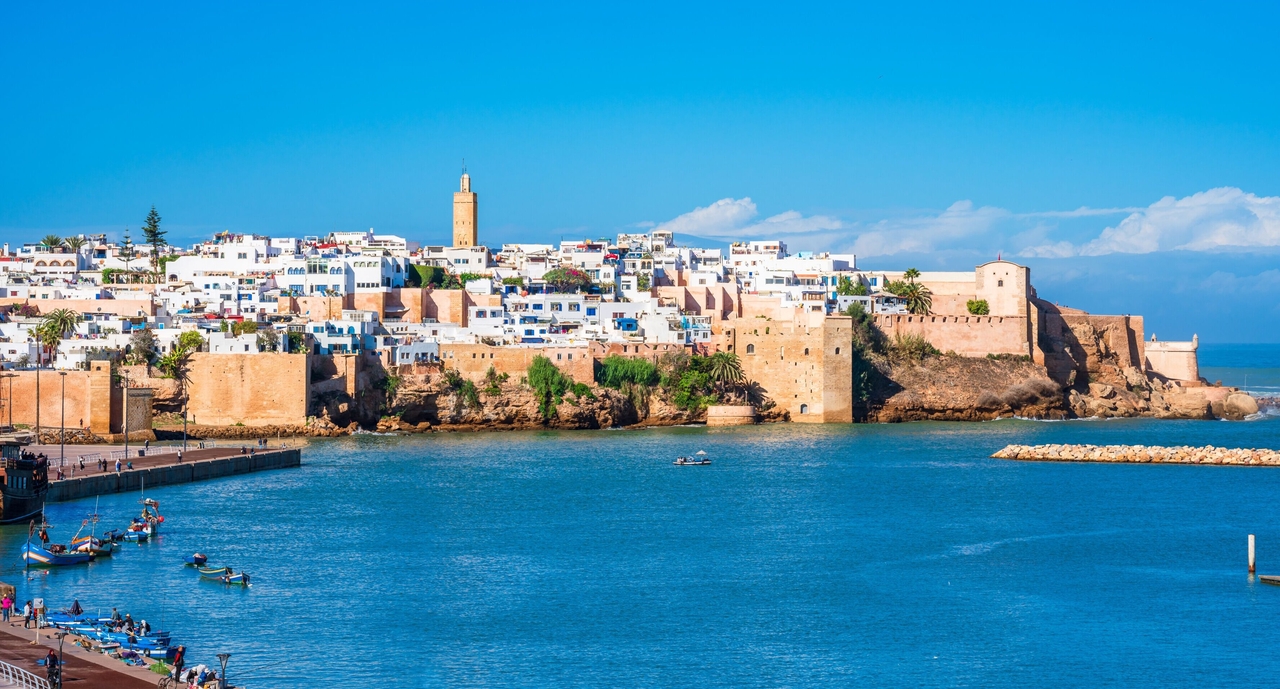
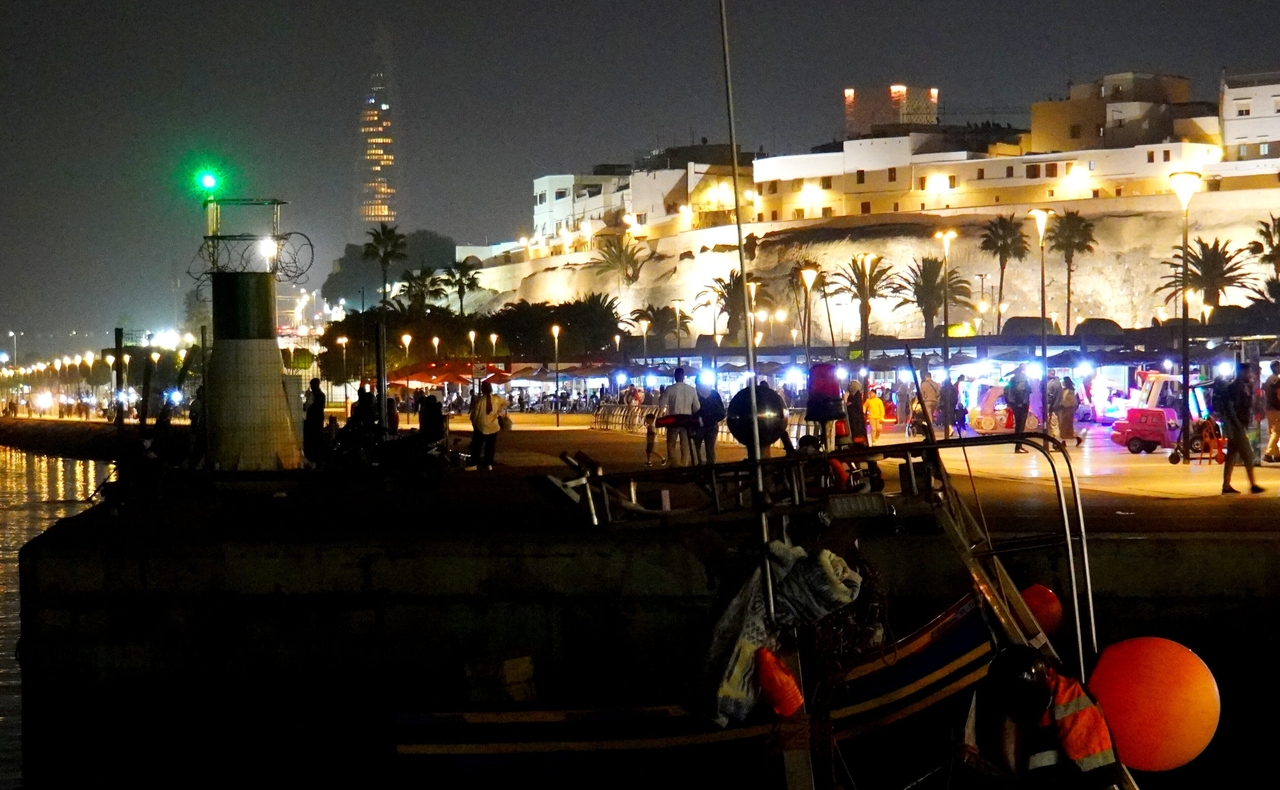
Among Morocco's many kasbahs, the Kasbah of the Udayas in the capital Rabat stands as the most representative. Built slightly earlier than the Marrakech kasbah, it sits on a high hill at the estuary where the Bou Regreg River meets the Atlantic Ocean.
It was built in the 12th century by the Almohad dynasty, which presided over both Morocco's golden age and its decline. In the broader world at roughly the same time, the Goryeo kingdom in Korea was pushing back the Jurchen of Manchuria, and the Crusades were raging across Europe.
Morocco is a nation that lives for football, and the open square at the fortress entrance bears that out — local children with the deft trapping and ball control of devoted Hakimi fans fill the space with play.
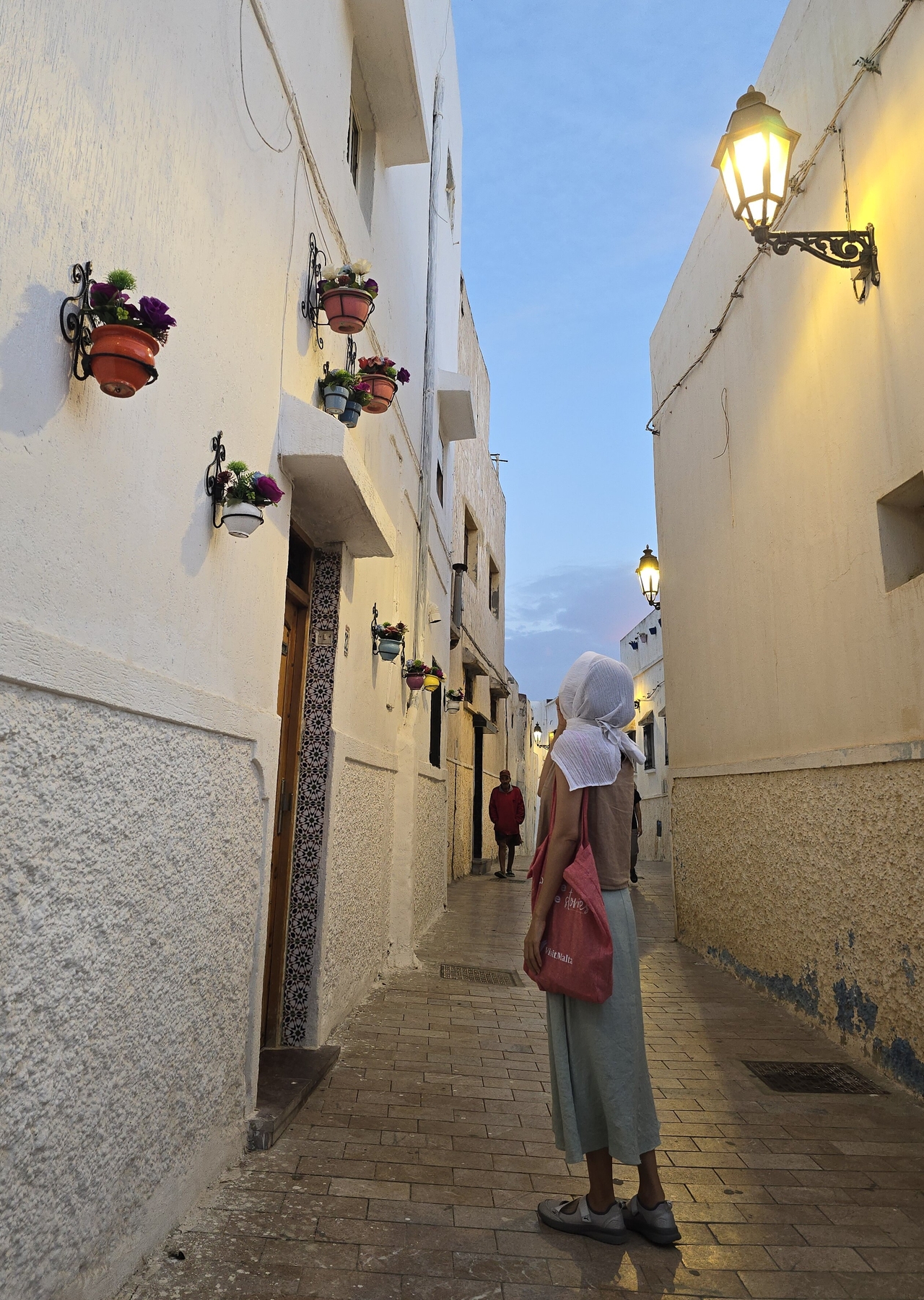
Through the gate, a main alley lined with single-story white buildings opens up, and branching side lanes reveal a layered palette of colors. Blue — the signature hue of Andalusia in southern Spain (Seville, Granada, Córdoba), a region that once shared a civilization with Morocco, and also a color associated with Judaism — appears alongside pure white walls and others where white paint applied over blue has begun to peel, creating a blended blue-and-white surface. It feels like witnessing the coexistence of civilizations.
Many theories have been offered for why white was painted over blue: nostalgia for the loss of Andalusia, antipathy toward Judaism, or simply an aesthetic drive to unify the city in white. The northern city of Chefchaouen has embraced its blue alleyways as a civic symbol, which suggests the repainting here was not driven by civilizational conflict.
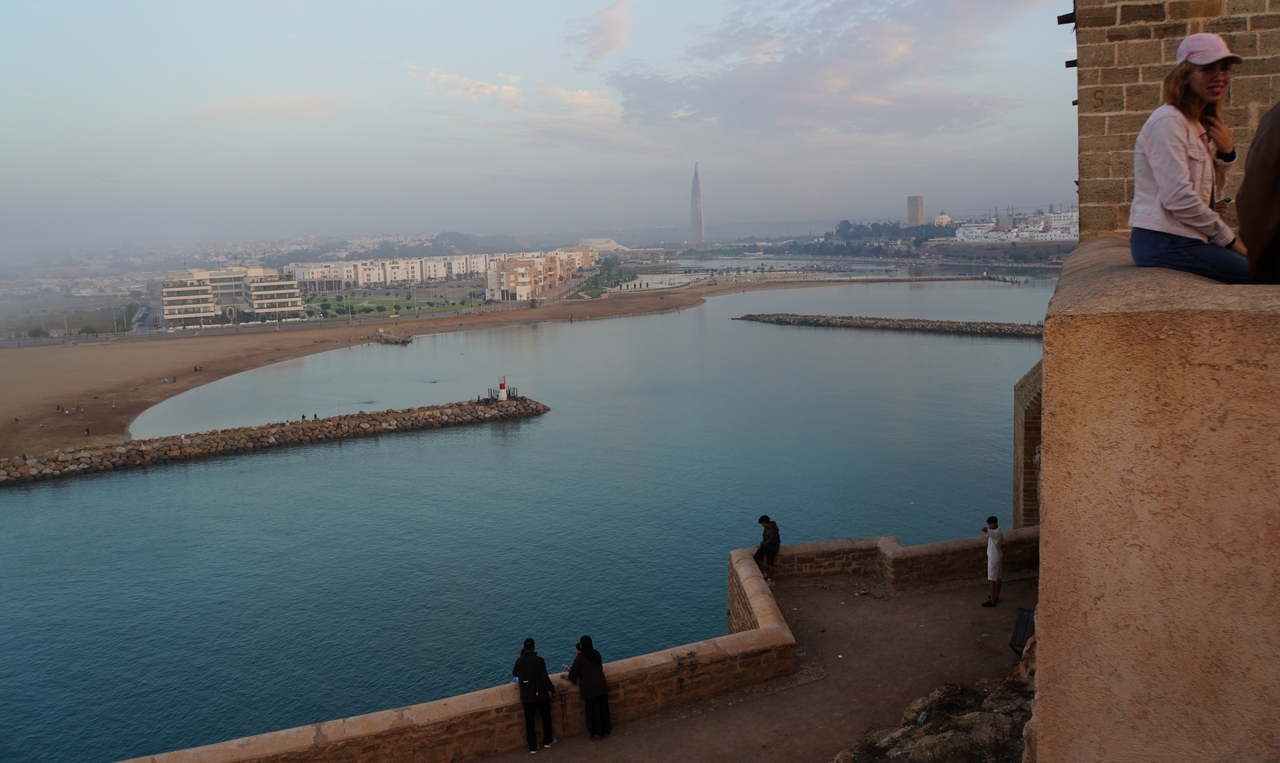
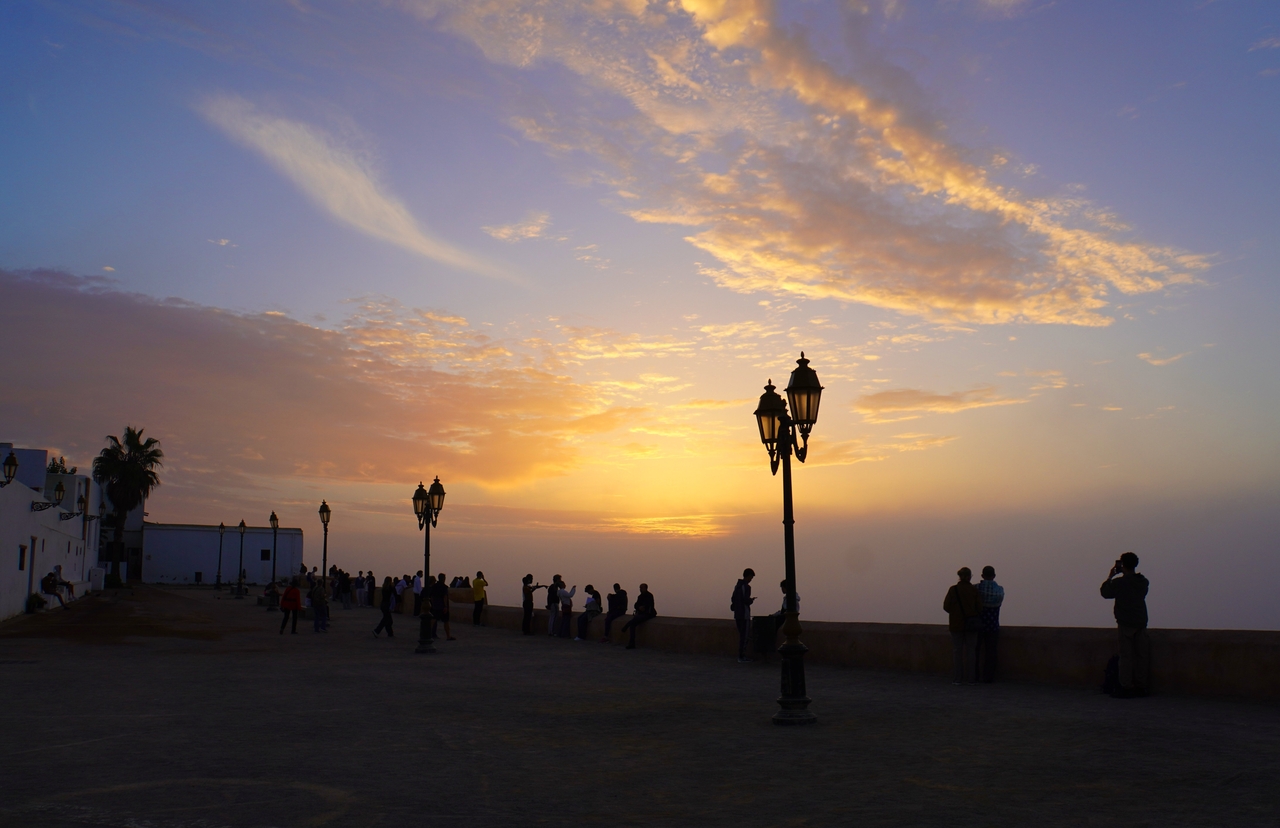
A breathtaking sunset over Rabat's kasbah, facing due west
Down at the estuary where river meets sea, cafes converted from old-style boats beckon travelers along the waterfront. The setting draws quiet hums of old Korean ballads from middle-aged visitors. A children's playground occupies a prized patch of the quayside, and the warm, savory scent of Moroccan tagine drifts from the dockside restaurants.
The residents of the Kasbah of the Udayas — women and men alike — sell carpets, ceramic trinkets, Moroccan-style doughnuts and the woven shopping baskets that Korean travelers have been known to compete over for their value. The restaurants tempt visitors with traditional Moroccan dishes, couscous among them.
The kasbah is also a place to watch the sun sink into the Atlantic in spectacular fashion. At dusk, residents and travelers line up along the fortress ramparts like sentinels, taking in a due-west Atlantic sunset that puts the sunsets of Southeast Asia to shame.
As the day draws to a close over the kasbah, the setting sun delivers to the women who have worked hard and found meaning in their labor the gift of an evening to call their own. (Morocco travel series to be continued)
abc@heraldcorp.com