Past rulings show AI-assisted exam fraud typically draws fines or suspended sentences
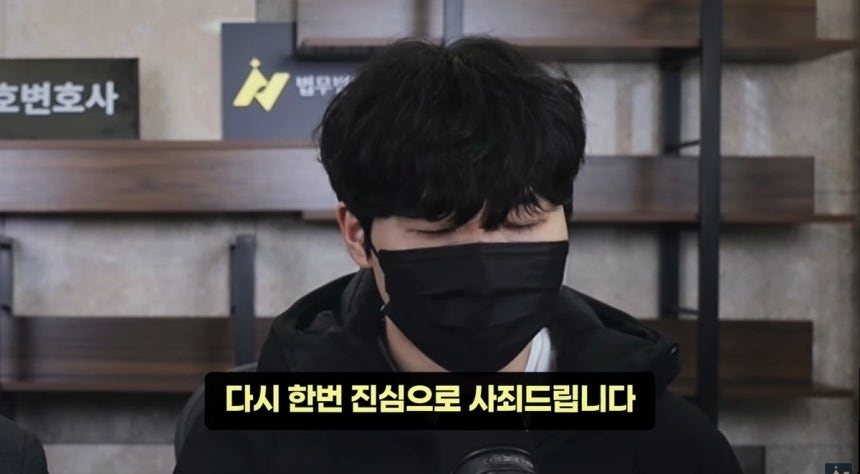
Attention is focused on how severely A, who topped the tax accountant licensing exam, will be punished after confessing to cheating with the help of AI. Recent court rulings suggest most such cases end in fines or suspended sentences.
A appeared on YouTube on Sunday and said, "I cheated using generative AI." A described using a miniature camera to photograph exam questions, transmitting them to an AI system, and then checking the answers on a smartphone, and admitted to using the same method on the certified public accountant exam. The Seoul Metropolitan Police Agency accepted A's written confession that day and assigned the case to its wide-area investigation unit.
Cheating on a national licensing exam can be prosecuted under obstruction of official duties by deception, among other charges. The statutory penalty is up to five years in prison or a fine of up to 10 million won ($7,510). However, actual rulings — even in cases involving AI — have largely been limited to fines.
In February, the Incheon District Court sentenced an examinee to a 3 million won fine for cheating on a written skills test administered by the Human Resources Development Service of Korea by submitting exam questions to ChatGPT via a mobile phone.
The Gwangju District Court last year sentenced an examinee charged with cheating on a written exam for pilot trainee candidates at the Korea Institute of Maritime and Fisheries Technology to one year in prison, suspended for three years, after the examinee used augmented-reality smart glasses during the test.
Cases resulting in actual prison time have involved not individuals acting alone but organized brokers.
In June, the Seoul Central District Court sentenced a broker to three years in prison for recruiting proxy test-takers for TOPIK and arranging 75 substitute sittings over four years.
The court said the scheme "seriously undermined the fairness that is the foundation of the examination system" and added that it "inflicts a sense of relative deprivation and frustration on the many examinees who prepare diligently, and erodes trust in the examination system as a whole."
notstrong@heraldcorp.com