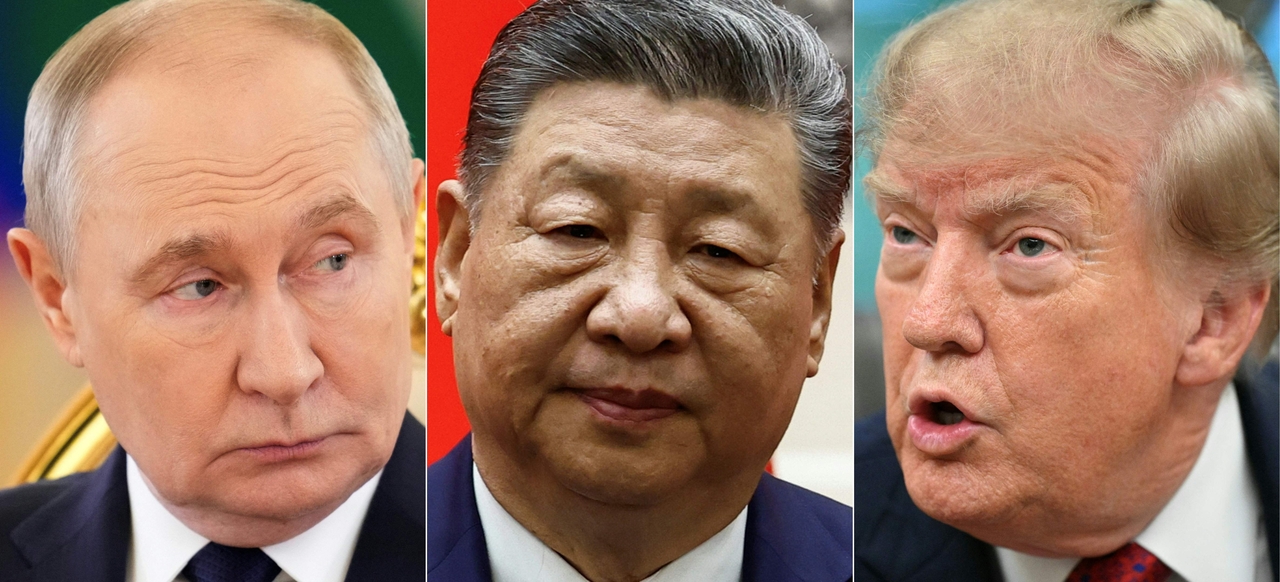
A trilateral summit among the leaders of the United States, China and Russia, set to take place Thursday in Shenzhen, China, on the sidelines of the Asia-Pacific Economic Cooperation forum, could open discussions on freezing North Korea's nuclear program in exchange for sanctions relief, an expert said.
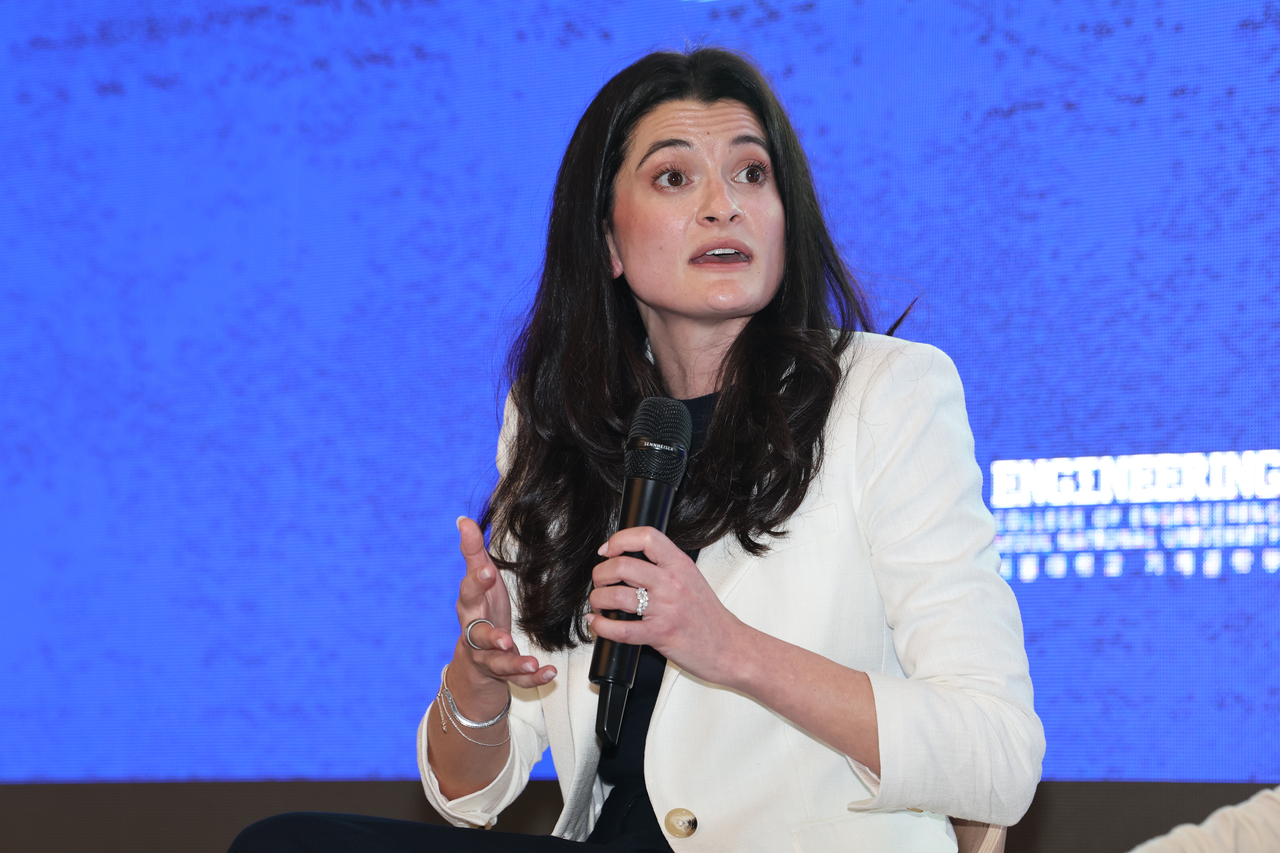
Andrei Lankov, a Russian-born professor of Korean studies at Kookmin University, said on a podcast hosted by the Center for Strategic and International Studies on Tuesday (local time) that the three-way talks could produce "discussion of a compromise solution regarding North Korea."
Lankov said the Donald Trump administration has no intention of pursuing full denuclearization, adding that "the realistic goal is basically arms control or a nuclear freeze. I believe this will be discussed."
He said the summit could include proposals to physically dismantle some of North Korea's nuclear weapon facilities as a condition for easing sanctions against Pyongyang. He added that a similar approach was discussed — though not agreed upon — at the second US-North Korea summit in Hanoi in February 2019.
However, Lankov cautioned that "we should not forget that the North Korean government can basically ignore all economic problems," and that "whatever the three great powers decide, North Korea will be able to exercise a kind of veto." Even if the summit produces a decision, he said, North Korea may simply choose not to comply.
When Victor Cha, the CSIS Korea chair who hosted the podcast, asked whether Kim Jong-un would accept an invitation to join the talks as a fourth party, Lankov said, "Obviously he will accept."
Lankov cited Kim's recent visit to Dandong, where the North Korean leader met with senior Chinese officials, saying "they probably discussed details related to a possible summit." He added that even if a four-way meeting produced no meaningful agreement, "there will be a photo opportunity anyway — and that is good for President Trump and good for Chairman Kim."
Lankov said "perhaps a carefully worded statement could emerge," potentially containing hints of recognition of North Korea's nuclear status, driven by pressure from Pyongyang. "It won't be a great achievement, but it's better than nothing, and it could also elevate North Korea's international standing," he added.
Maria Snegovaya, a senior fellow in the Europe, Russia and Eurasia program at CSIS, was more skeptical, saying the chances of reaching "a strong, long-term agreement" on North Korea at the trilateral summit were "very doubtful."
Snegovaya said Russia's position on North Korea's nuclear program has shifted entirely, with Moscow now potentially providing more technical capabilities to expand it. China, by contrast, does not want an unpredictable nuclear-armed state on its doorstep. She said this divergence between Russian and Chinese positions makes any meaningful agreement on North Korea's nuclear program at the summit unlikely.
On the possibility of the summit expanding to include North Korea, Snegovaya predicted Russia — which originally proposed the trilateral format — would "not be very happy" about such a change, as it would "break the original purpose." She said Russia's goal is to project an image of being invited to the negotiating table as an equal partner alongside the United States and China, and that including North Korea "could dilute that image somewhat."
kate01@heraldcorp.com