- KRISS supplies third-generation equipment to NIST, the world's top standards body
- Ultra-trace isotope measurement to lead next-generation gas measurement standards
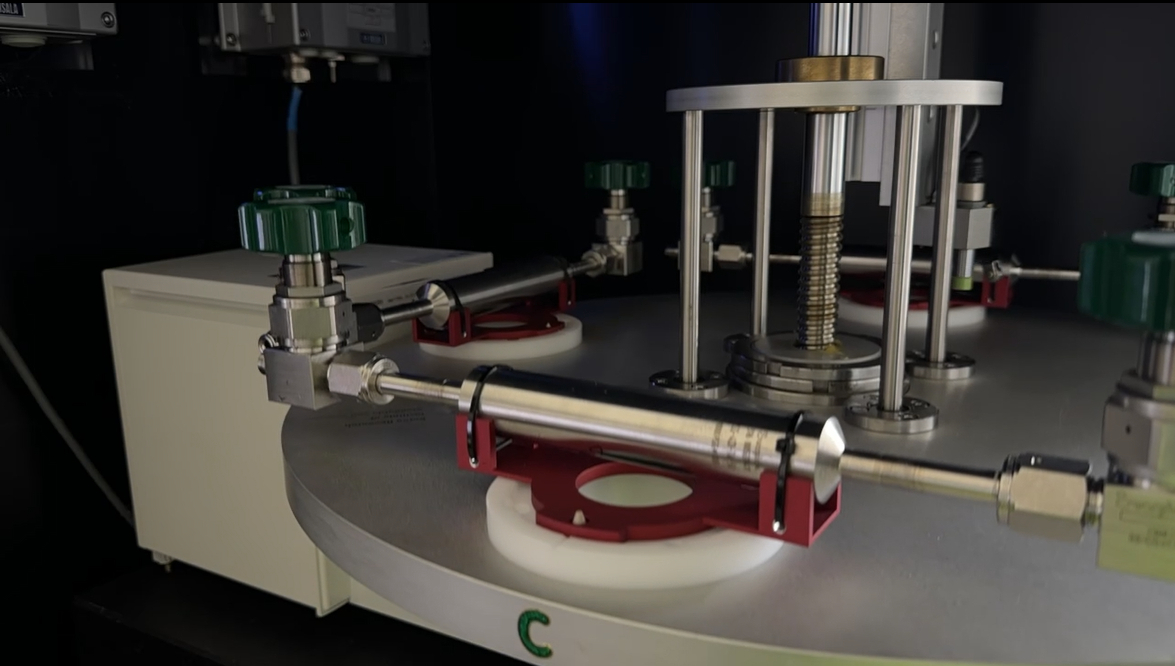
An ultra-precision gas mass measurement system developed by South Korean researchers has been exported to the US National Institute of Standards and Technology, the world's leading metrology body. The equipment can measure the mass of trace amounts of gas with 100 times greater precision than existing technology.
Korea Research Institute of Standards and Science (KRISS) announced Wednesday that it had exported its third-generation "mini cylinder automatic weighing system," or mini-AWS, to NIST. The device can measure the mass of ultra-trace gases down to 0.01 milligrams.
NIST, an agency of the US Department of Commerce, is the national metrology institute of the United States and a global leader in measurement standards. It has purchased second-generation KRISS equipment three times since 2009 and has now acquired the third-generation system for the first time.
Reference gases are standard materials used to verify the accuracy of gas analyzers. They are essential across a range of industries requiring precise gas concentration control — from monitoring greenhouse gases and air pollutants to semiconductor manufacturing processes.
The key to producing accurate reference gases lies in how precisely the mass of each gas component can be measured. The gravimetric method, which determines concentration by measuring the mass of individual gas components, is considered the most accurate approach to reference gas production.
Existing technology, however, was limited to measuring 10-liter cylinders in increments of 1 milligram — a precision level insufficient for detailed analysis of isotopes that exist only in trace amounts in nature, or for managing ultra-high-purity gases.
To overcome these limitations, the research team independently developed a new automated weighing system using 75-milliliter mini cylinders.
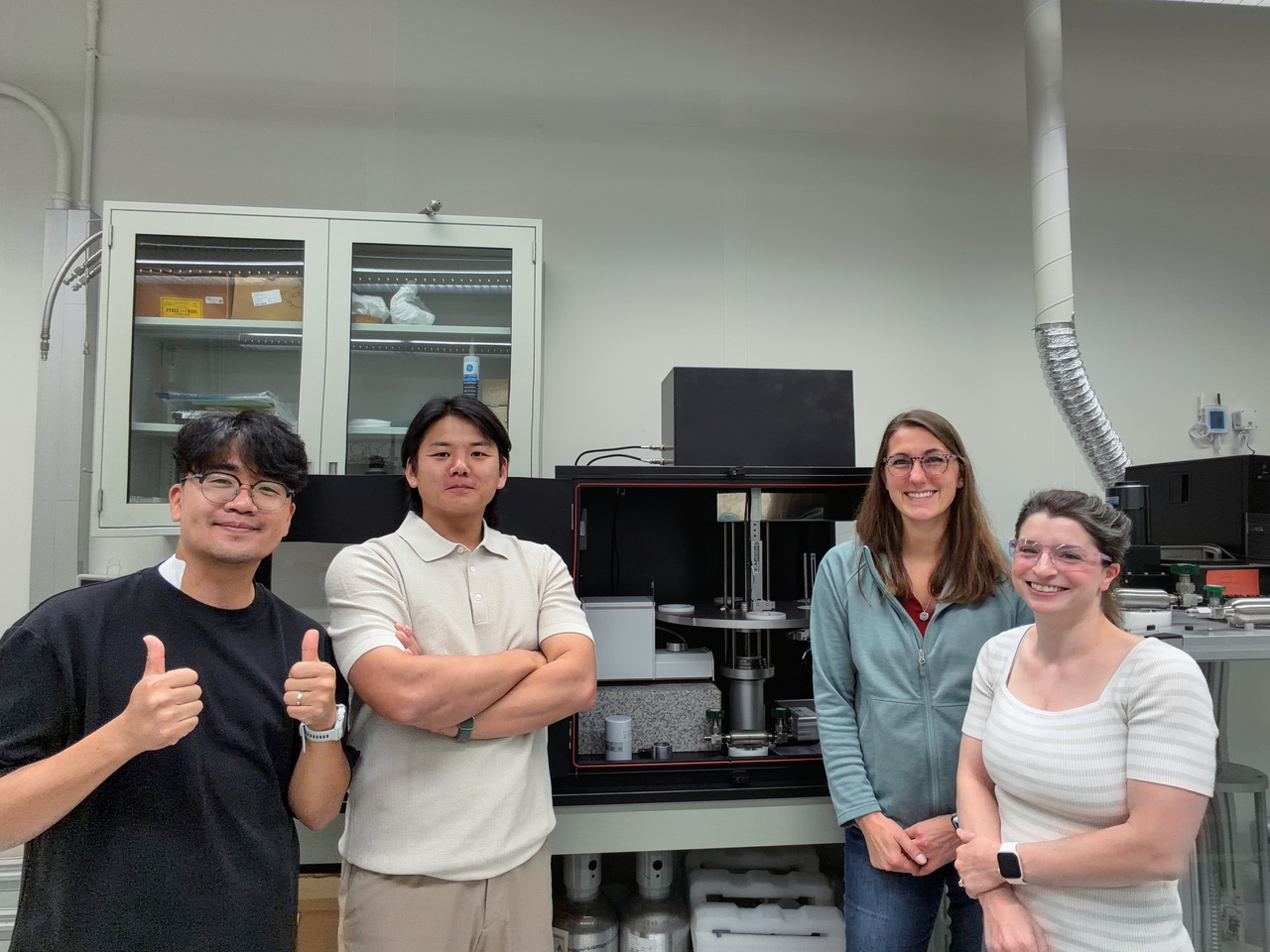
The centerpiece of the new system is a 100-fold improvement in measurement precision. The device measures mass down to 0.01 milligrams, and the measurement uncertainty when weighing 5 grams of gas has been reduced from roughly 0.1 percent with the second-generation equipment to 0.001 percent.
Measurement uncertainty indicates how much a measured value may deviate from the true value; the lower the figure, the more reliable the result.
The technology is expected to be used in producing isotope ratio reference gases. Isotopes are atoms of the same element that differ in the number of neutrons and therefore in mass. Precisely measuring isotope ratios enables researchers to trace the sources of greenhouse gas emissions and analyze the properties of semiconductor and quantum materials.
While previous methods required relatively large quantities of costly isotope source gases, the new system can achieve precise measurements with only minute amounts. This is expected to significantly cut the cost of producing reference gases using expensive isotopes such as helium-3, which can cost tens of millions of won per small quantity.
KRISS gas measurement equipment has already earned international recognition. Since the second-generation system was first exported to NIST in 2009, KRISS has supplied 10 units to a total of seven countries, including the United Kingdom, Singapore and South Africa.
"The fact that the US national metrology institute has adopted our third-generation equipment, following the second, demonstrates the excellence and reliability of KRISS gas measurement technology," said Hong Ki-ryong, a senior researcher at KRISS. "We will expand supply to Europe and the Asia-Pacific region and accelerate the development of isotope ratio measurement standards."
The findings were published in Metrologia, an international journal in the field of measurement science.
nbgkoo@heraldcorp.com