TrendForce Road Show Korea held Wednesday
AI infrastructure investment to rise 60% next year
AI servers to become top LPDDR demand source within two years
HBM production expansion to limit commodity memory supply
New fab operations from 2028 to expand supply
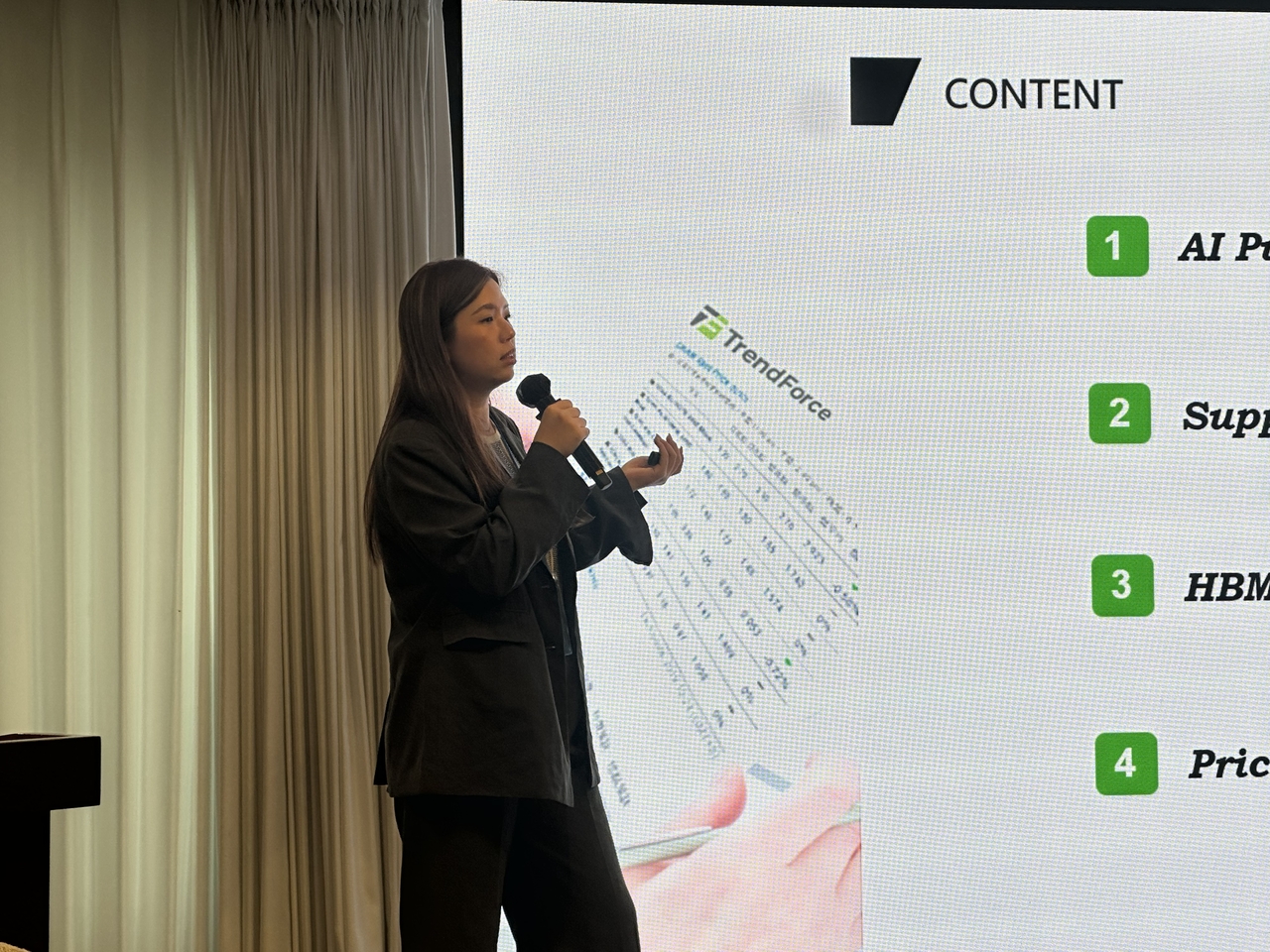
Global big tech companies' AI infrastructure investment is forecast to grow another 60 percent next year, with surging shipments of AI inference chips expected to sustain strong demand for HBM from Samsung Electronics and SK hynix as well as server DRAM.
At TrendForce Road Show Korea 2026, held Wednesday at Oakwood Premier COEX Center in Gangnam-gu, Seoul, the market research firm projected that capital expenditure by global cloud service providers will reach $1.52 trillion next year — a 60 percent increase from this year's estimated $947.4 billion.
LPDDR market shifts toward servers
"We expect the growth rate of AI semiconductor shipments to be even higher next year than this year," said Ellie Wang, a TrendForce researcher. "Overall AI chip demand remains strong, and the share of AI inference continues to rise."
Nvidia recently trimmed the HBM4 memory bandwidth specification for its next-generation Rubin GPU — from 22 terabytes per second to 19.2 terabytes per second, a reduction of about 13 percent — but TrendForce said the broader increase in AI chip shipments will underpin memory demand.
"In the past, the goal was to push HBM speeds as high as possible, but that can lower yields for memory suppliers," Wang said. "Nvidia is building a memory system that does not rely solely on HBM — it combines HBM with low-power DRAM, LPDDR, and flash."
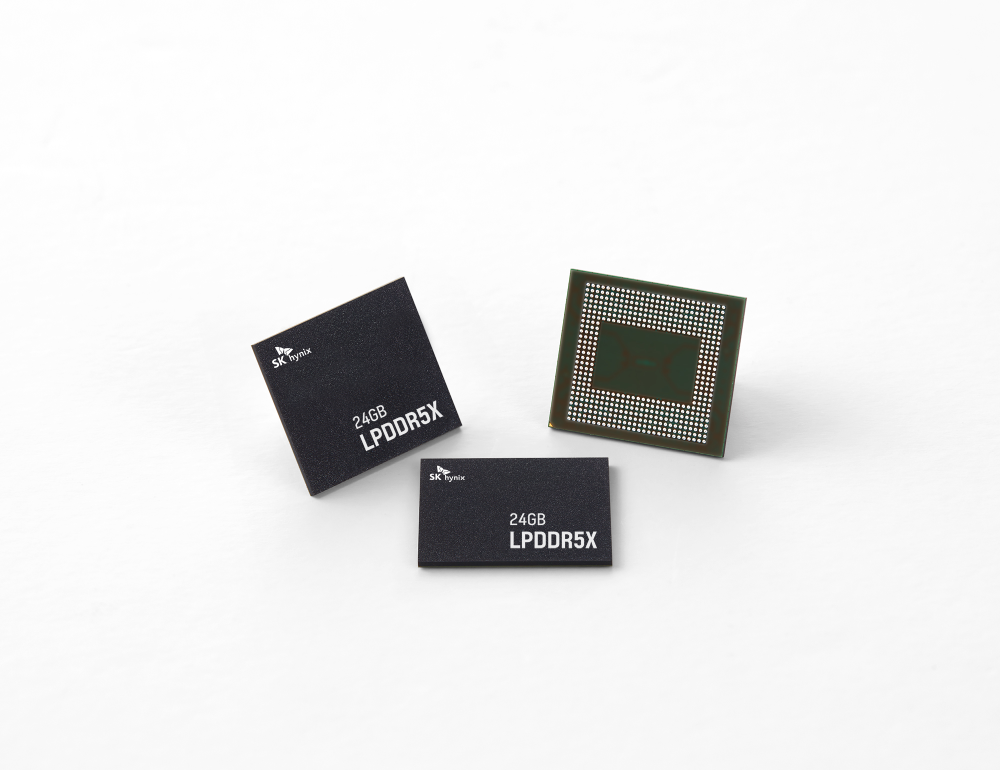
Demand for low-power memory is already surging as Nvidia adopts LPDDR5X in CPUs for AI servers. TrendForce forecast that LPDDR demand for Nvidia's Grace and Vera CPUs will grow at an average annual rate of more than 70 percent through 2030.
"Smartphones were the dominant LPDDR market in the past, but Nvidia is changing that structure," said Mia Huang, a TrendForce researcher. "We expect servers to overtake smartphones as the largest source of LPDDR demand after 2028."
Smartphones currently account for about 60 percent of LPDDR demand this year, with servers at around 20 percent. TrendForce expects both segments to converge at roughly 40 percent each next year.
"From 2028 to 2029, other companies will also begin adopting LPDDR5X or LPDDR6 for server products," Huang said.
Samsung set to overtake SK hynix in TSV capacity next year
As major memory makers including Samsung Electronics and SK hynix concentrate production capacity on server-related products, supply of commodity DRAM is expected to remain relatively constrained.
Global DRAM wafer capacity is projected to grow about 14 percent, from 2.222 million wafers per month at the end of this year to 2.536 million by the end of next year. With wafer resources allocated to HBM production growing even faster, the share of TSV (through-silicon via) capacity within total DRAM capacity is expected to rise from 23 percent at year-end to 29 percent by the end of next year.
"HBM consumes three to four times more wafer resources than standard commodity DRAM," Wang said. "That is another reason we do not expect DRAM prices to turn lower in 2027."
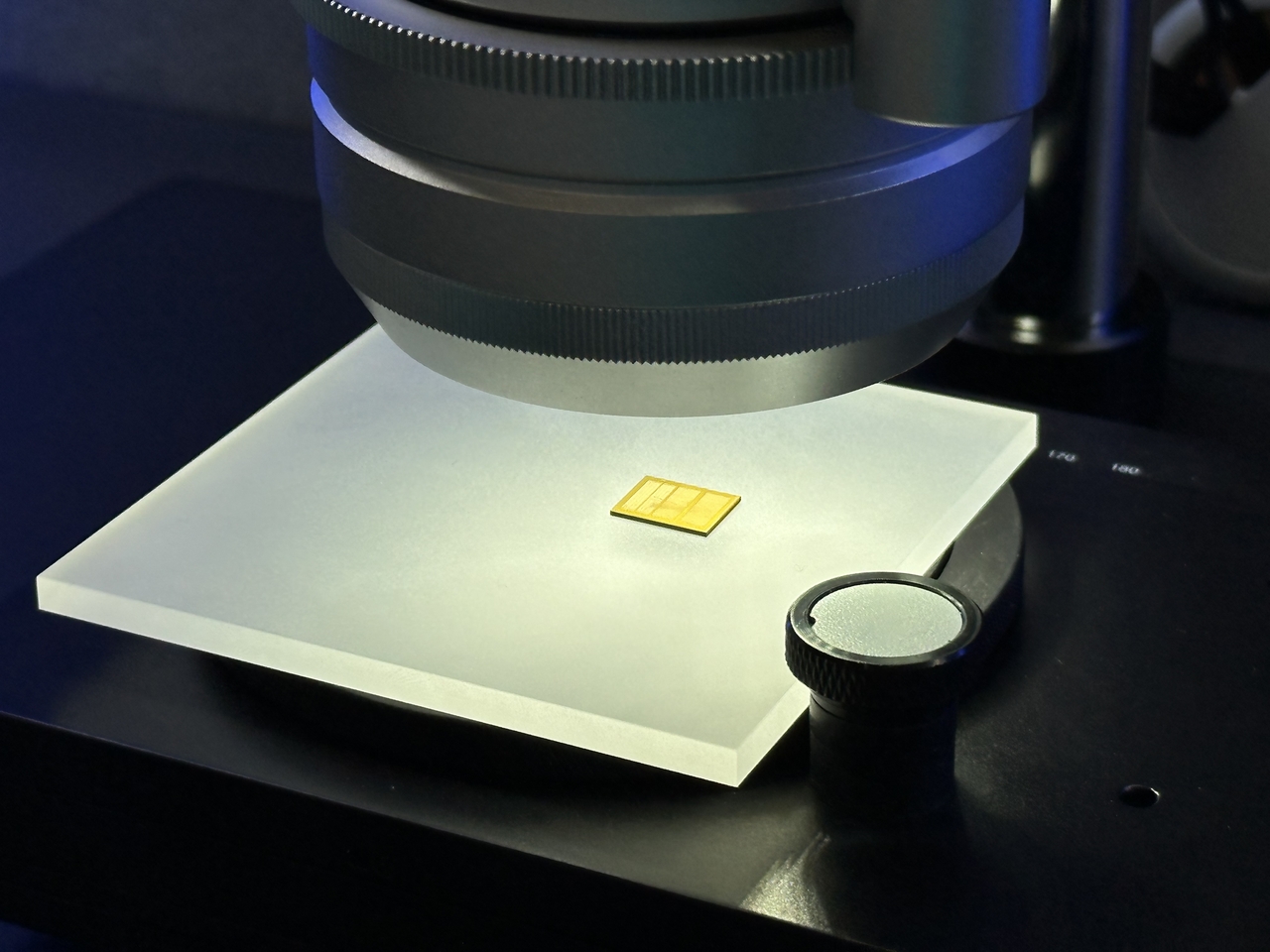
Samsung Electronics' HBM-related TSV capacity is expected to rise about 56 percent, from 180,000 wafers per month this year to 280,000 next year. SK hynix is forecast to grow from 200,000 to 260,000 wafers per month, a 30 percent increase. The projections suggest Samsung could overtake SK hynix in TSV capacity next year.
Within the HBM market, next-generation HBM4 is set to take center stage. TrendForce forecast that HBM4 will account for 51 percent of total HBM shipments next year, with HBM4E at 7 percent. The share of the existing HBM3E is expected to fall from 69 percent this year to 40 percent next year.
Shipments of 8-high HBM4 are expected to surpass 12-high products in the second half of next year. "In the past, when a new HBM generation emerged, supply of the previous product tended to decline quickly," Wang said. "But next year, HBM4 will rise to prominence while HBM3E still maintains a substantial supply volume."
HBM prices to double; Google emerges as major customer
HBM prices are also forecast to rise sharply. TrendForce projected the blended average selling price of HBM will climb 122 percent, from $1.67 per gigabit this year to $3.70 next year, driven by a larger share of higher-priced HBM4 in the supply mix.
"We have not significantly revised our price outlook because we expect memory supply shortages to persist next year," Wang said. "As HBM4 supply expands, HBM's share of total DRAM revenue will rise further."
The customer base for HBM is also diversifying. Nvidia's share of HBM demand is expected to fall from 55 percent this year to 42 percent next year, while Google's share is projected to rise from 22 percent to 31 percent, driven by expanding supply of the company's in-house AI chip, the Tensor Processing Unit.
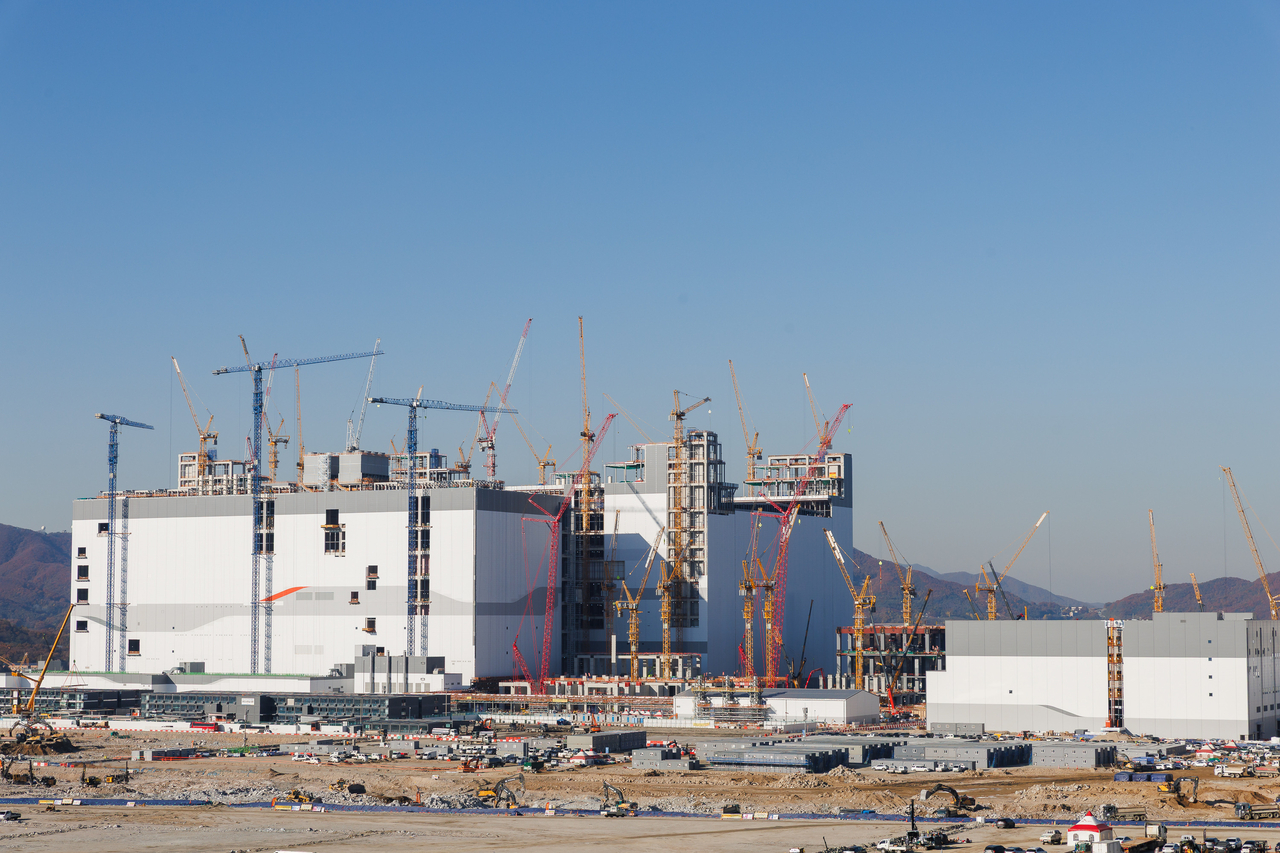
TrendForce expects DRAM prices to continue rising next year, though new production facilities — including Samsung Electronics' Pyeongtaek P5 plant and SK hynix's Yongin semiconductor cluster — are set to come online sequentially between 2028 and 2030, which could add supply-side uncertainty.
"We expect memory and server demand to remain strong next year, and we see the fundamental risk factors as emerging after 2028," Wang said. "New capacity will begin entering the market from late next year, and the equipment supply situation may also improve."
jeongwan@heraldcorp.com