- KIOST team successfully cultivates microalgae in bulk using Jeju Island lava seawater
- Natural pigment content rises by up to 2.9 times, opening path to marine biotech production
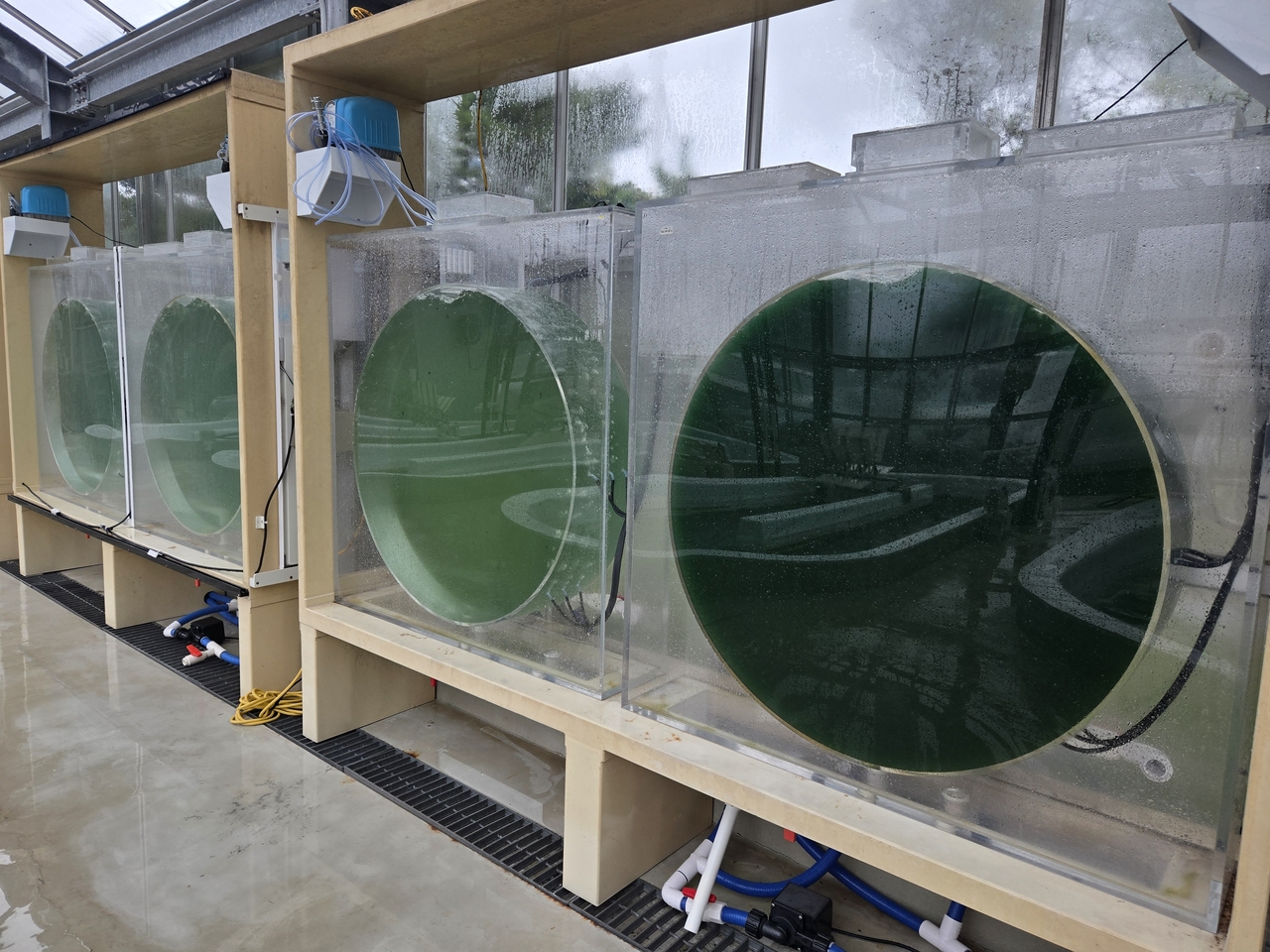
Cultivating microalgae in seawater filtered through Jeju Island's volcanic basalt layers boosted output by as much as 4.3 times, researchers have found.
The Korea Institute of Ocean Science and Technology (KIOST) announced that a research team led by Lee Won-gyu of its Jeju Biotech Research Center successfully used Jeju lava seawater to dramatically increase microalgae production.
Microalgae are a future biotech resource used as raw material for biofuels, health supplements and natural pigments. Large-scale cultivation has long been hampered, however, by predatory organisms and viruses that enter with ordinary seawater and attack the algae, causing output to drop sharply. Sterilizing the seawater to prevent such contamination requires considerable cost and energy, and has been cited as a major barrier to commercialization.
The research team found a solution in Jeju lava seawater — water naturally filtered as it passes through the island's porous basalt layers underground. A key advantage is that large volumes can be secured inland through underground wells.
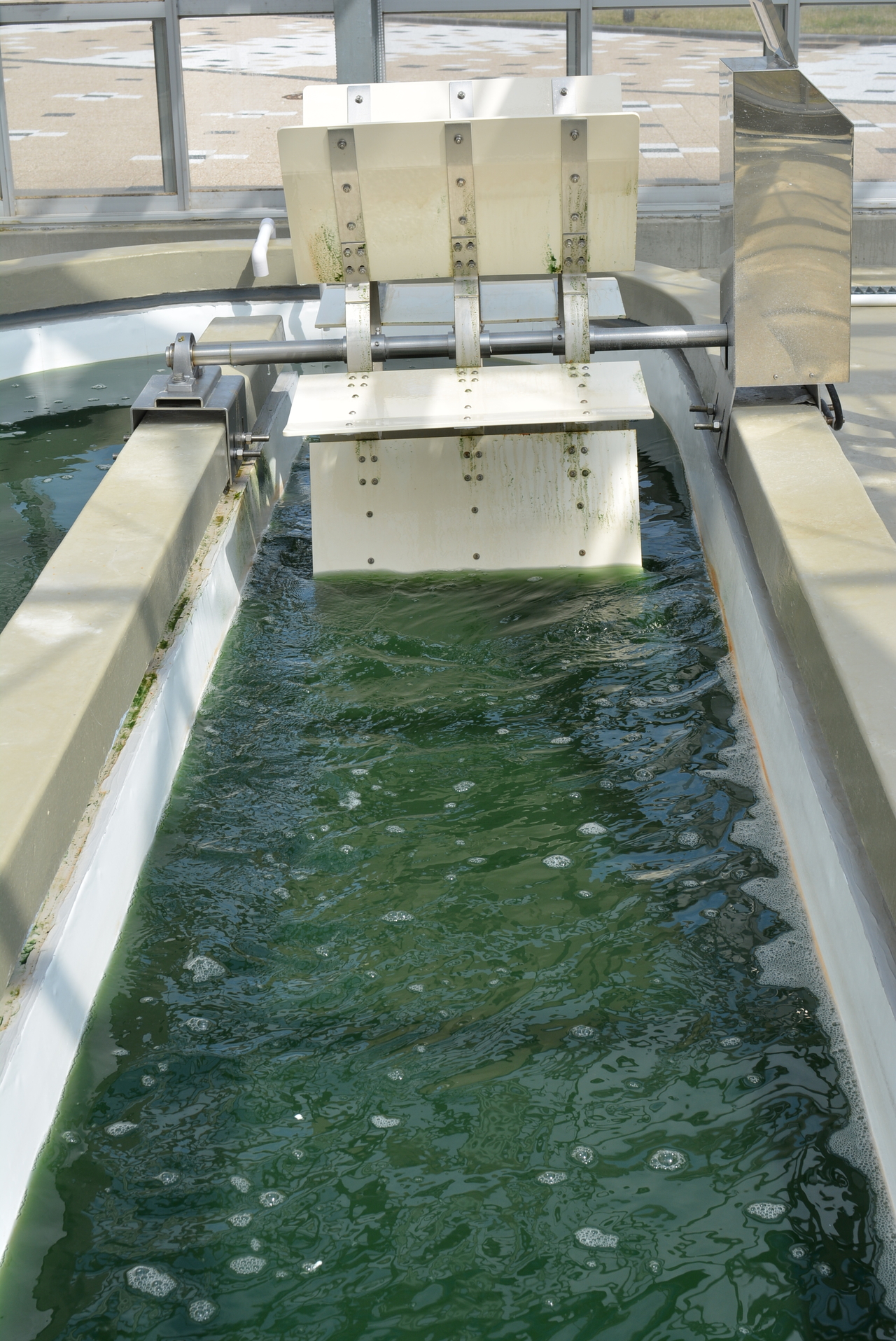
The team cultivated the green microalga Tetraselmis suecica in 200-liter batches using lava seawater drawn from a well 145 meters below ground in Gujwa-eup, Jeju, and compared results with cultivation using ordinary coastal seawater from a nearby site.
Ciliates that prey on microalgae proliferated in the ordinary seawater, cutting the microalgae population by as much as 70.9 percent in just two days. Cultivation ultimately had to be halted early.
In the lava seawater, by contrast, no predatory organisms were observed and the microalgae grew steadily. Final output was 2.1 to 4.3 times higher than in ordinary seawater.
Microbial analysis revealed equally stark differences. The ordinary seawater sample contained six species of contaminating organisms, five types of viruses and 43 bacterial species. The lava seawater, by contrast, yielded only nine species of marine bacteria, with no predatory organisms or viruses detected.
The quality of the microalgae also improved markedly. Those cultivated in lava seawater contained up to 2.9 times more natural antioxidant pigments — including violaxanthin, lutein and chlorophyll — than those grown in ordinary seawater. Levels of essential amino acids and the omega-3 fatty acid alpha-linolenic acid also increased.
The research team expects the technology to enable stable, large-scale production of high-quality microalgae while reducing the sterilization and transport costs associated with conventional seawater cultivation. However, additional verification of seasonal water-quality variation and economic viability will be needed before the technology can be applied at actual industrial facilities.
"This research is the first to confirm the cleanliness and biological stability of Jeju lava seawater through large-scale microalgae cultivation," Lee said. "We will accelerate research into an eco-friendly, high-value marine biotech material production system through seasonal monitoring and economic analysis."
Kang Do-hyung, a former minister of oceans and fisheries who participated as a co-researcher, said Jeju lava seawater is well suited to economical large-scale microalgae production because it is clean and readily accessible inland. "We will work to link this with the Jeju Marine Bio Functional Ingredient Center to strengthen the competitiveness of the marine biotech industry," Kang said.
The findings were published in the international journal Journal of Water Process Engineering.
nbgkoo@heraldcorp.com