Panel to examine working conditions, job opportunities, social safety net and industrial structure; Deputy Minister Kwon Chang-jun to chair weekly sessions
The government is broadening its scrutiny of wage, welfare and safety gaps tied to company size and employment type to include industrial structure and unfair trade practices. Officials say the disparities are widening not only in working conditions but also in access to jobs and social safety net coverage, driven in part by the spread of AI transformation.
The Ministry of Employment and Labor will work with related ministries — including the Ministry of Trade, Industry and Resources, the Ministry of SMEs and Startups, and the Korea Fair Trade Commission — to identify gaps in existing policies and explore ways to coordinate support across agencies.
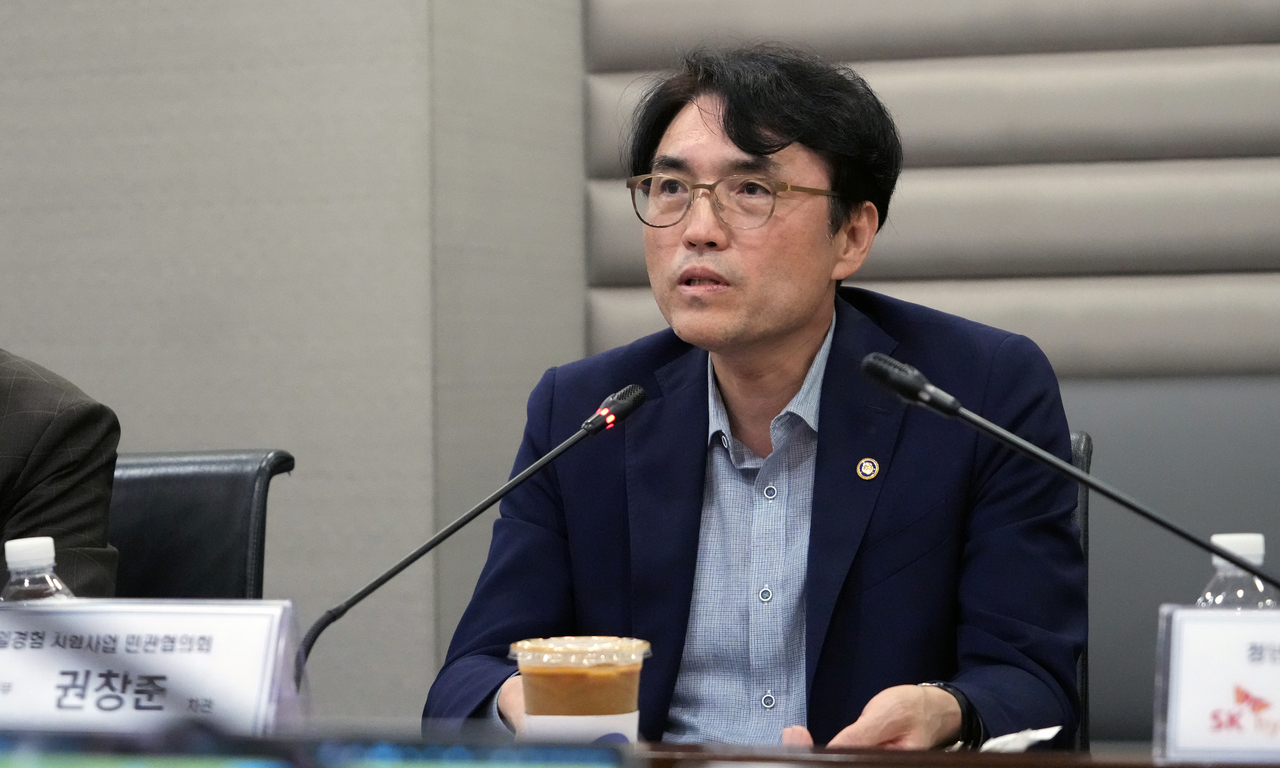
The ministry held the inaugural meeting of its "Labor Market Dual Structure Reform Panel" at the Seoul Employment and Labor Office on Friday, chaired by Deputy Minister of Employment and Labor Kwon Chang-jun. The panel is one of five working groups under a pan-government polarization-response TF launched Nov. 11. Kwon leads the panel, which draws on officials from the Ministry of Economy and Finance and the Ministry of Planning and Budget, as well as experts from the Korea Labor Institute, the Korea Research Institute for Vocational Education and Training, the Korea Institute for Industrial Economics and Trade, and the Korea Institute for Startup and Entrepreneurship Development.
The ministry believes that industrial structure and trade practices between companies underlie the divergence in working conditions by firm size and employment type. The panel plans to review employment and labor policies while also examining sector-specific industrial structures and inter-firm trade practices, and to seek ways to strengthen cooperation across ministries.
At the first meeting, experts presented views across four areas: working conditions, job opportunities, social safety net, and improvements to industrial structure and unfair trade practices. Related ministries reviewed gaps in existing policies and additional tasks to consider in each area. The panel also discussed ways to link policies across agencies to maximize the impact of support measures.
Going forward, the panel will hold weekly meetings with related ministries and experts to identify and develop core tasks for easing the labor market's dual structure, reporting its findings to the polarization-response TF.
"We have pursued a range of policies to address the dual structure of the labor market, but we need to go back to basics and ask why polarization on the ground persists," Kwon said. "We will work with related ministries and experts to find solutions — not just through labor policy, but by tackling the root causes of the dual structure from an industrial and structural perspective."
fact0514@heraldcorp.com