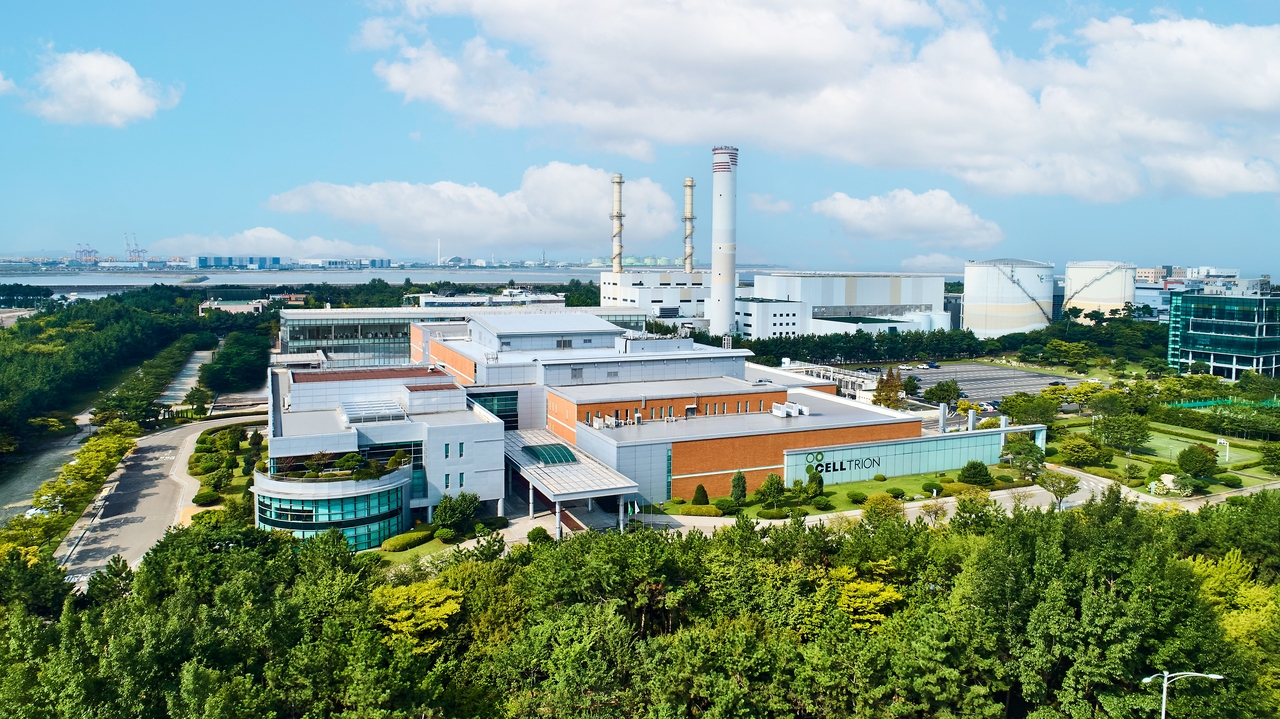
K-Withus connects foreign specialists to aviation maintenance and defense sites in Sacheon
"Companies, universities and communities must move together for long-term settlement"
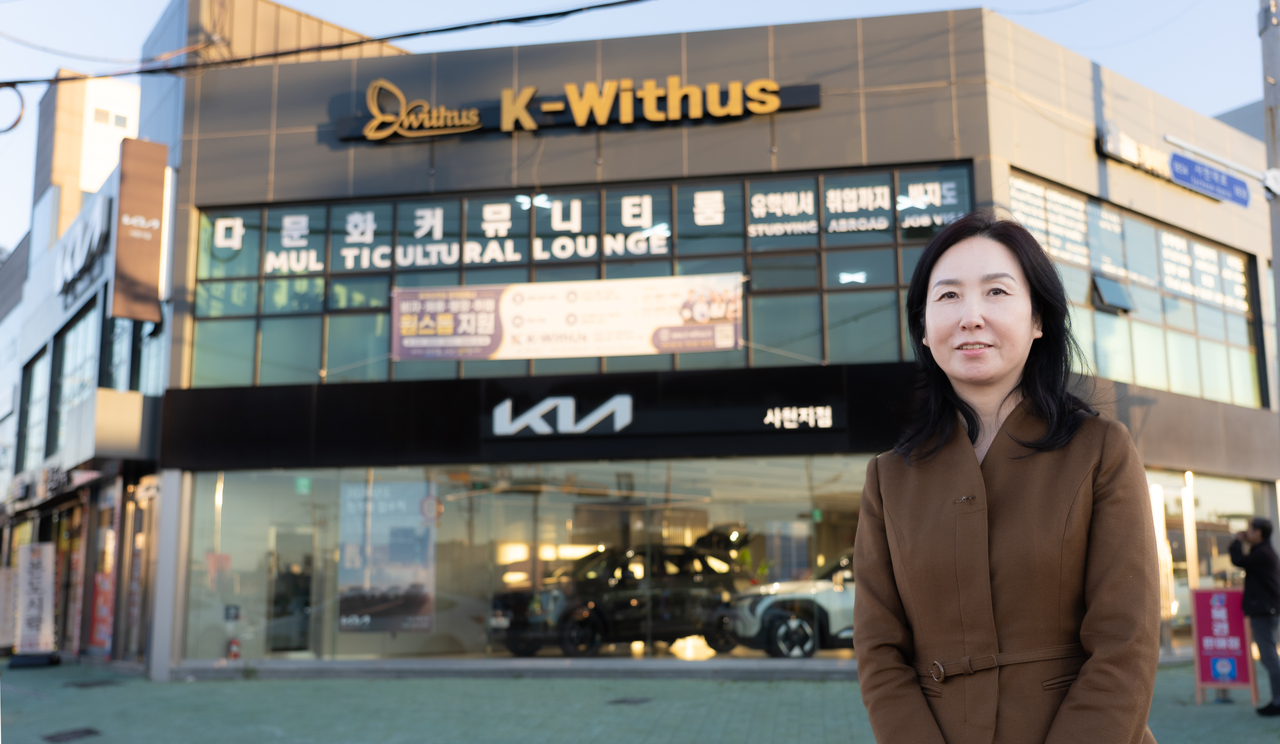
"It is not enough to simply connect people — the talent must be able to settle stably in Korea and work here for a long time before both the company and the individual can truly be satisfied."
Min A-yun, CEO of K-Withus, a foreign-talent platform company, is expanding a business that links Korean companies with global professionals, drawing on experience built in Japan. Particularly in Sacheon, South Gyeongsang Province, Min is working to secure and support the settlement of foreign specialists in aerospace, defense and manufacturing — tackling the twin challenges of regional labor shortages and effective use of foreign talent.
Min, who is active in the World Okta Saitama chapter, traveled to Japan to attend the 45th anniversary ceremony of the World Okta Tokyo chapter, held Friday.
Min's ties to Japan run deep. After graduating from Hattori Nutrition College, Min gained experience in the food-service industry and overseas sales at food companies in Korea, then spent years bridging Korean and Japanese industry and culture through business with Japanese firms. Min played a connecting role between a domestic manufacturer and a factory in Hokkaido when a Korean-style shaved-ice machine was making inroads into the Japanese market, and spent about 12 years at a Japan-based joint-venture semiconductor company, absorbing Japanese organizational culture and management practices firsthand.
The real difficulties came after returning to Korea. "Having grown accustomed to the Japanese way of thinking and working, I went through a lot of misunderstandings and trial and error readapting to Korean society," Min said. "I learned through experience that culture and language can only be truly understood through hands-on experience alongside formal education."
That experience led directly to the foreign-talent business. Min became involved in job training and Japanese cultural education for candidates preparing to enter aviation ground services, international office work and catering in Japan, through programs tied to the government's K-Move overseas employment support initiative. In the process, Min came to believe that systematic support was needed not just for getting a job abroad, but for settling into the local community as well.
K-Withus now operates a platform that supports foreign nationals from before they enter Korea through employment, visa processing, residency, education and daily-life settlement. "I witnessed many cases where foreign students could not stay in Korea because of visa problems, or ran into difficulties after trusting wrong information," Min said. "I felt it was important to build a safe system where foreigners can access accurate information and be protected within the legal framework."
A settlement model that brings families along
The talent-sourcing network now spans Nepal, Vietnam, Uzbekistan, Sri Lanka and Pakistan. "In the past two months alone, we have brought in about 100 people," Min said. "The goal is not simply to bring people over, but to help them build a life in Korea."
Since its founding in 2019, K-Withus has built a network spanning 24 universities and 50 partner companies nationwide. The company has placed about 650 international students in aviation manufacturing and supplied about 800 workers to the shipbuilding sector. Min also counts among the company's achievements helping about 600 family members of those workers relocate to Korea and settle in Sacheon, Sancheong and Goseong — a sign, Min says, that the work does not end with placement.
The operational hub is Sacheon, the center of Korea's aerospace industry. K-Withus is pursuing projects to identify and train foreign specialists for technical fields including aircraft manufacturing, aviation maintenance, repair and overhaul (MRO), and automotive maintenance, while also expanding into advanced manufacturing areas such as defense and robotics. Sacheon is the country's only city designated as an aerospace administrative hub — home to Korea AeroSpace Administration (KASA) — and the nation's largest aerospace cluster, with Korea Aerospace Industries (KAI) at its core, integrating design, production, testing and maintenance. An aviation MRO industrial complex spanning 300,000 square meters was completed in March at a total project cost of 180 billion won ($135 million), and demand for maintenance services is growing.
Min said talent supply in aviation and defense requires a fundamentally different approach from general manufacturing. "Aviation and defense are not simply about filling a headcount gap," Min said. "Job competencies, visa requirements and the specific expertise companies demand all have to be assessed together." Min added that the process must run from the interview and selection stage — verifying each candidate's individual capabilities — through visa preparation, post-arrival foreigner registration, Korean-language education and daily-life settlement. "Sustained communication among companies, universities and regional institutions is what makes long-term settlement possible," Min said. To deepen expertise in technical education, Min is currently pursuing a doctorate in the Department of Aircraft Mobility at Far East University.
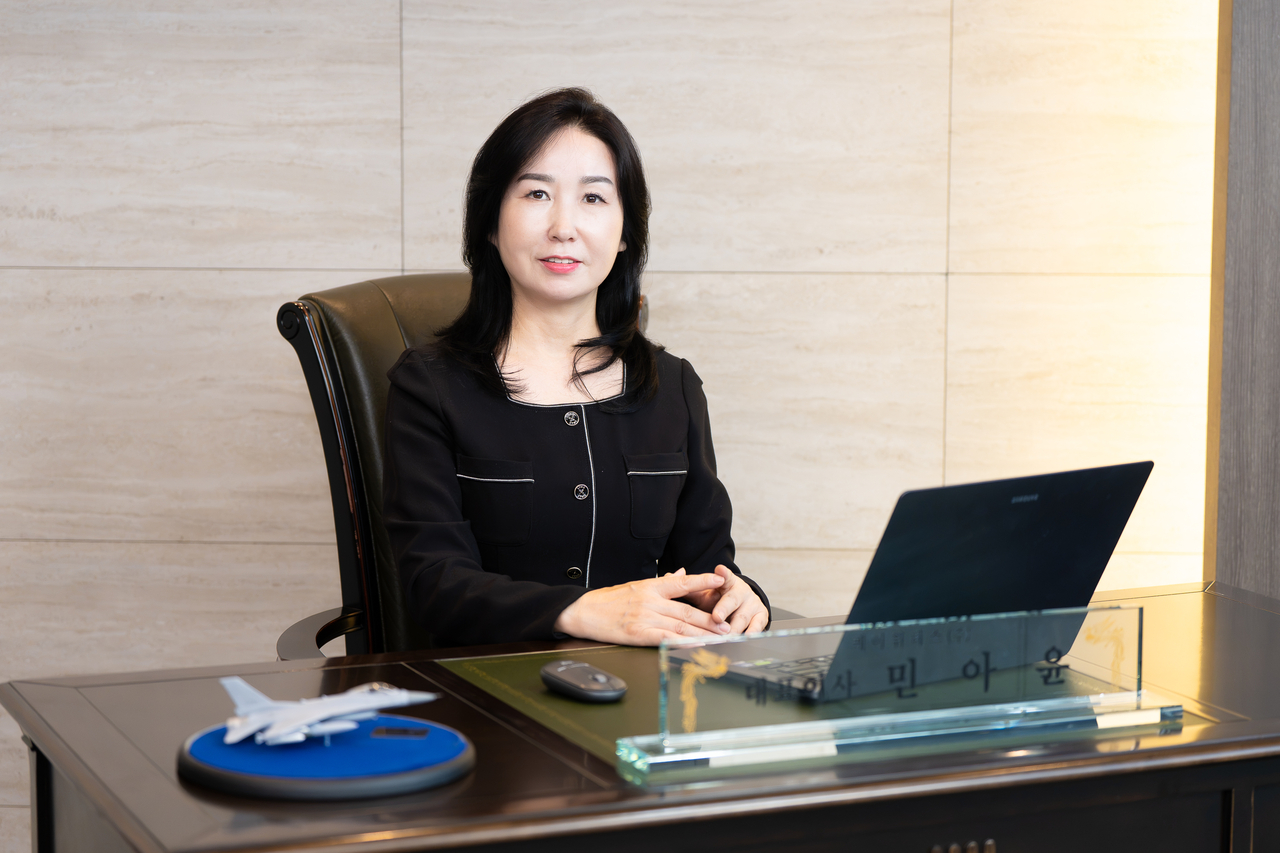
The way regional companies view foreign talent is also shifting, Min said. More firms are beginning to see foreign workers not as a stopgap for labor shortages but as professionals worth developing over the long term. The talent pool itself has grown: according to the 2026 Education Statistics released by the Ministry of Education and the Korean Educational Development Institute, the number of foreign students enrolled in domestic higher-education institutions stood at 307,464 as of April 1 this year, up 54,030, or 21.3 percent, from a year earlier. One in every 10 enrolled students is now a foreigner, and 47.4 percent attend institutions outside the greater Seoul metropolitan area. "Students who have studied in Korea are often able to use Korean, their native language and English, making them a valuable asset for companies with overseas operations," Min said. "At a time when more Koreans are avoiding jobs outside the capital region, if foreign students settle into regional industries in Sacheon, Jinju, Goseong and Changwon, it could ease both corporate labor shortages and regional population decline at the same time."
The emphasis of the business model rests on settlement, not labor supply. "I want to systematize pre-arrival job and Korean-language training, post-arrival life counseling and settlement support, and build a structure where regional universities, local governments and industry jointly develop talent," Min said. K-Withus is also working in parallel to help Sacheon-area companies secure workers while connecting local products and businesses to overseas markets, and plans to expand the model refined in Sacheon to other industrial cities.
Another goal is strengthening ties between Korea and Japan. Min sees significant room for the two countries to share foreign-talent policies and settlement experience, given that Japan has been grappling earlier with the same challenges of low birth rates, an aging population and regional labor shortages. "Japan is a country that has been thinking about attracting and settling foreign talent longer than Korea has," Min said. "I hope this visit to Japan will be an opportunity to concretize cooperation with World Okta member companies, Japanese firms and business associations."
Specifically, Min is considering connecting international students and professionals based in Japan with Korean companies, or having Korean and Japanese firms jointly train talent. "Both Korea and Japan face the same problems of population decline and labor shortages on the factory floor," Min said. "If the two countries share their experiences and create a channel through which talent can move freely between them, it could open new opportunities for businesses on both sides."
"I want to help foreign talent and Korean companies grow together through mutual trust," Min said, adding that the goal is to build K-Withus into a company that expands its overseas presence to support not only those coming to Korea but also Koreans settling abroad.
ahnbc@heraldcorp.com