Final interview set for Friday — 460 of 5,630 second-round test-takers passed this year
Exam authority says interview standards will not change despite calls for tighter scrutiny

Candidates who passed the written stage of the certified labor attorney exam are growing anxious ahead of their final interview, rattled by the AI cheating scandal that erupted in the tax accountant licensing exam. Fears are spreading that the interview — which has carried a 100 percent pass rate for the past four years — could suddenly face tougher scrutiny. The Human Resources Development Service of Korea says its existing interview framework is already rigorous enough to assess candidates' true abilities and sees no need to change it.
According to the Human Resources Development Service of Korea, candidates who passed the second round of the 35th certified labor attorney exam — results announced Wednesday — will sit the third-round interview on Friday. Of the 6,184 eligible candidates this year, 5,630 took the second-round exam and 460 passed, a pass rate of 8.2 percent.
The certified labor attorney exam consists of three stages: a multiple-choice first round, an essay-based second round and a final interview. Among candidates, the low-pass-rate essay round is regarded in effect as the true final hurdle. The third-round interview recorded a 100 percent pass rate every year from 2022 through last year.
This year, anxiety among candidates has grown as the fallout from the tax accountant cheating scandal continues to unfold. The Korean Tax Accountants Association announced it would conduct a comprehensive assessment of practical competency during the trainee education program and withhold completion certificates from anyone who falls short of the required score. Candidates are now worried that similar follow-up measures could lead to a tougher interview for labor attorney hopefuls as well.
A candidate who passed this year's second-round exam said there is widespread unease among those who cleared the test. "There's a lot of anxiety among those who passed that they might be filtered out at the third-round interview the way trainee tax accountants are being screened," the candidate said. The candidate added that in previous years interview preparation amounted to little more than a light review of studied material, but the pressure feels much greater this year. "As someone who studied honestly, I'm also angry about what happened," the candidate said.
Another candidate who cleared the second round after more than two years of preparation said the pressure to prepare has intensified after posts appeared in online candidate communities raising the possibility of interview failures.
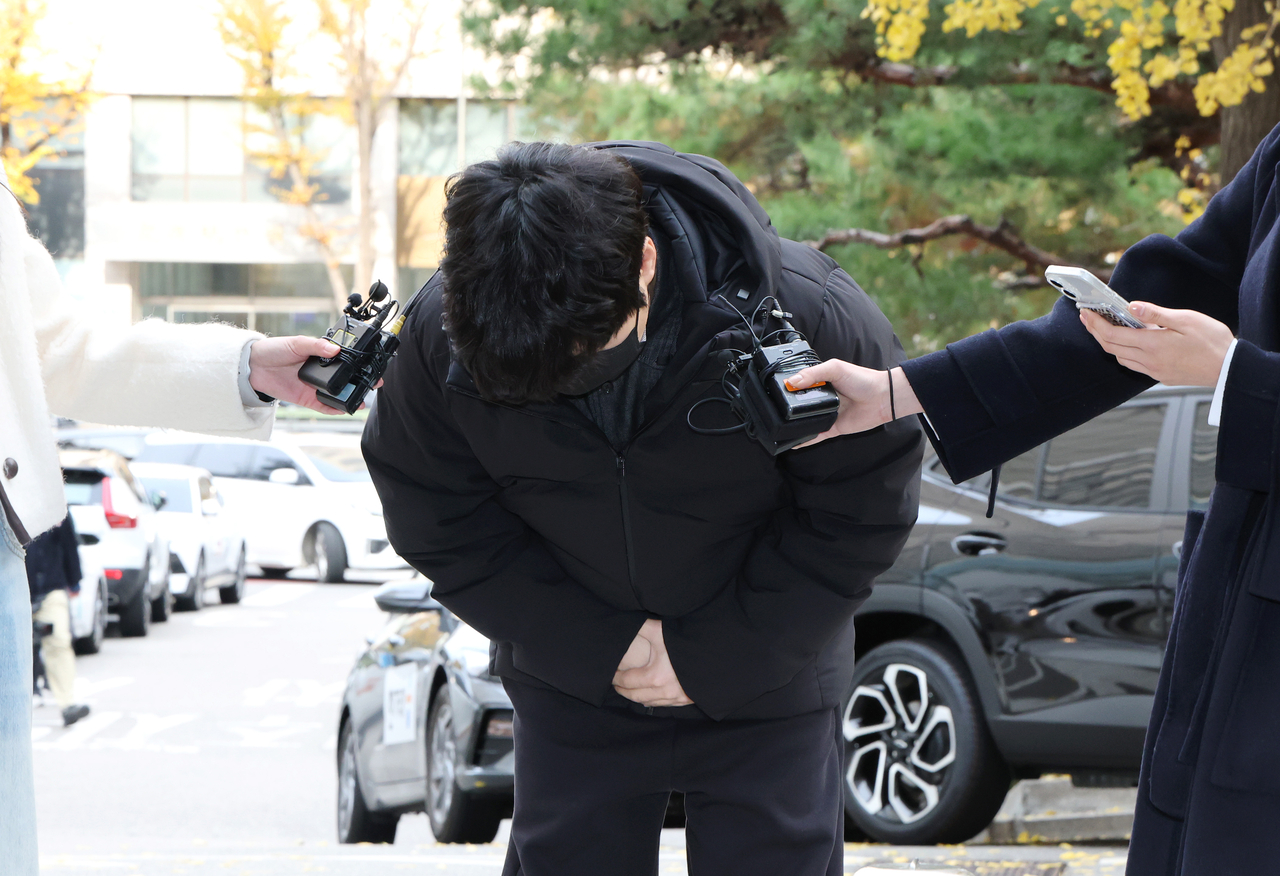
The Human Resources Development Service of Korea says it will not separately tighten interview standards. The agency maintains that its existing interview format — built around question-and-answer sessions with experts — is sufficient to gauge candidates' actual abilities.
Interview panels include labor attorneys recommended by the Korean Association of Labor Relations Consultants, officials with backgrounds at the Ministry of Employment and Labor, and academic specialists. The assessment covers a broad range, from foundational knowledge — such as the legal standards for determining employee status and the distinction between ordinary wages and average wages — to applied skills, including recent practical issues and the impact of AI's spread on the labor market.
Candidates are rated "high," "medium" or "low" on each evaluation criterion. A candidate must average at least "medium" (8 points) to pass; if a majority of panel members rate any single criterion "low," the candidate fails. "We believe experts will be fully able to distinguish genuine ability through the question-and-answer process," an agency official said.
The Ministry of Employment and Labor and the Human Resources Development Service of Korea plan to strengthen oversight to block cheating from the written stages of national licensing exams. Measures include placing random phone calls to candidates immediately before an exam begins to verify their phones are switched off, and expanding closed-circuit television installation to leased exam venues.
The authorities are also pursuing plans to disclose the scores of the top two finishers in each exam and to extend the ban on sitting national technical qualification exams for those caught cheating from the current three years to 10 years.
fact0514@heraldcorp.com