The father of Jang Yun-gi, 23, convicted of murdering a high school girl for sexual purposes, has received a heavy disciplinary sanction after destroying physical evidence that could have helped establish the sexual motive behind the crime, police said Monday.
The Gwangju Metropolitan Police Agency said at a press briefing Monday that it had imposed a major disciplinary action on Jang's father, a police inspector in his 50s identified only by his surname Jang, Yonhap reported.
Heavy disciplinary measures available under police civil service regulations include removal from office, dismissal, demotion and suspension.
Police said they could not disclose the exact level of punishment, as the inspector still has the right to file an appeal with a civil service appeals commission.
The elder Jang had been on leave of absence since his son's crime in May before receiving the disciplinary action.
He came under an internal affairs investigation after destroying key physical evidence — including a damaged sex doll — found at his son's residence, where the high school girl had been killed for sexual purposes.
He avoided criminal charges such as evidence destruction under a special provision in the criminal code that exempts relatives from punishment when they commit offenses to protect family members.
Detectives from the Gwangju Gwangsan Police Station who handed the physical evidence, including the sex doll, to the elder Jang have been indicted on charges including incitement to destroy evidence and are standing trial in a first-instance court.
Father says he cleared son's room because he 'never wanted to return' to the city
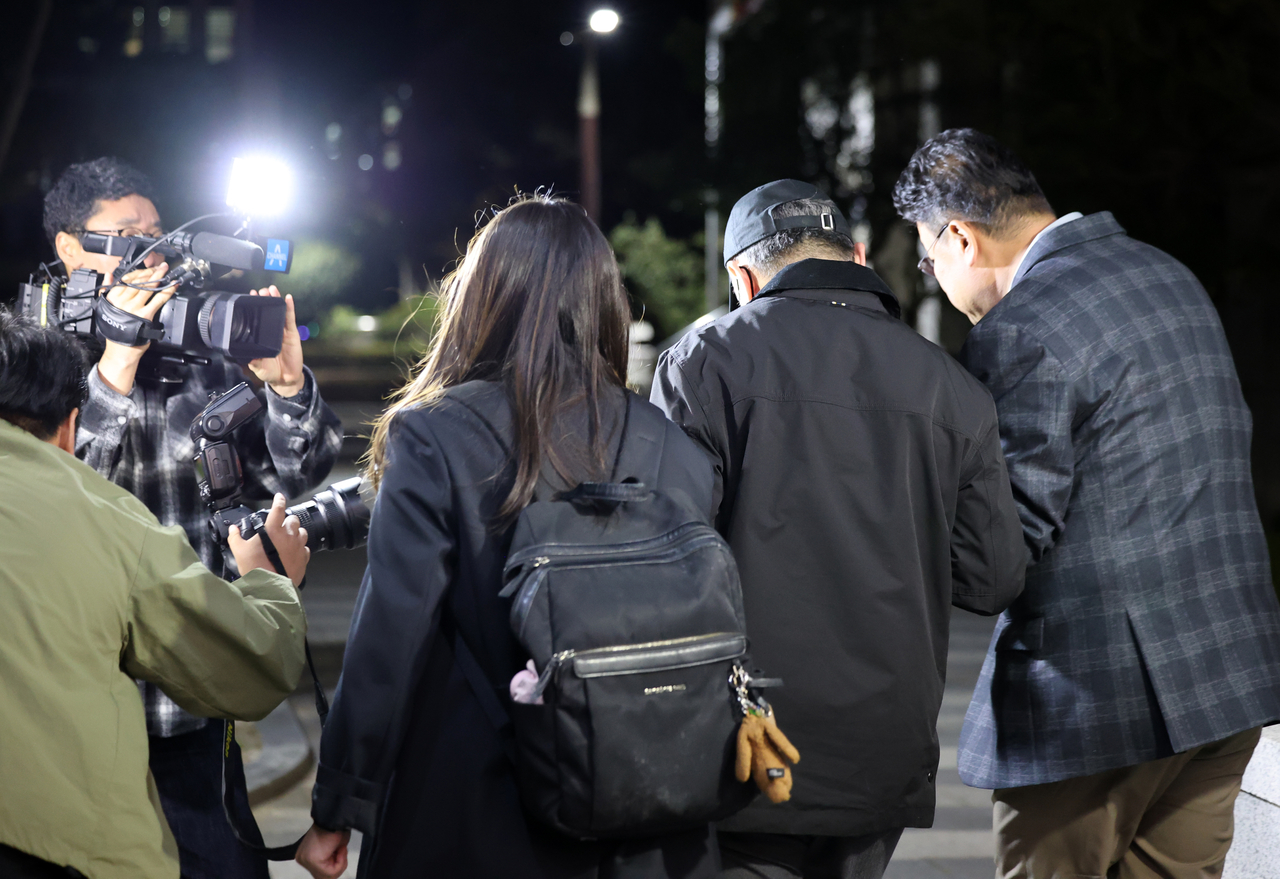
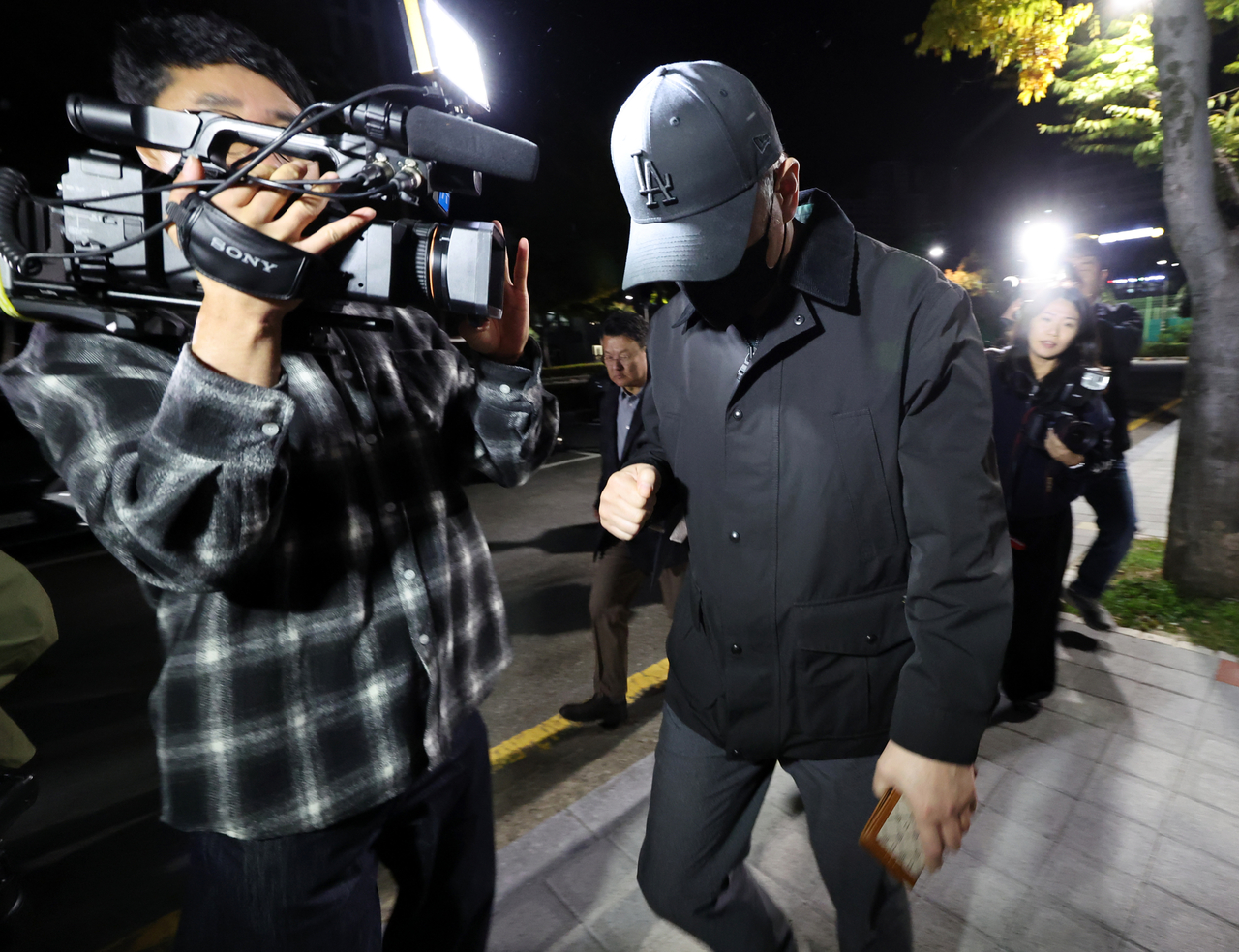
Earlier, on Oct. 28, the elder Jang appeared as a witness at Gwangju District Court for the trial of police officers accused of conducting a botched investigation, saying he could not accept that "such a good son" had committed the crime.
He made the remarks to reporters as he left the courthouse after testifying.
Asked whether he felt sorry for the victim, he said, "I am sorry." Asked whether he understood how much pain the victim's family was suffering, he said, "I do."
When asked whether he had known his son had any sexual problems, he replied, "No."
Asked whether he had known in advance that destroying evidence of his son's crime would shield him from punishment under the family exemption provision, he said, "I was not in my right mind at the time either."
On the cable ties identified as restraining tools, he said, "I was not thinking that far at the time," before leaving the courthouse with his face covered by a black hat and mask.
He gave similar answers during roughly an hour of witness questioning inside the courtroom earlier that day.
On his decision to quickly clear out his son's rented room, he said he had made up his mind to do so because he "never wanted to come to Gwangju again."
yul@heraldcorp.com