- Second round of early admissions for 2027 academic year opens with expanded capacity of 430 students
- New AI mobility major launched; on-site research education at national labs strengthened
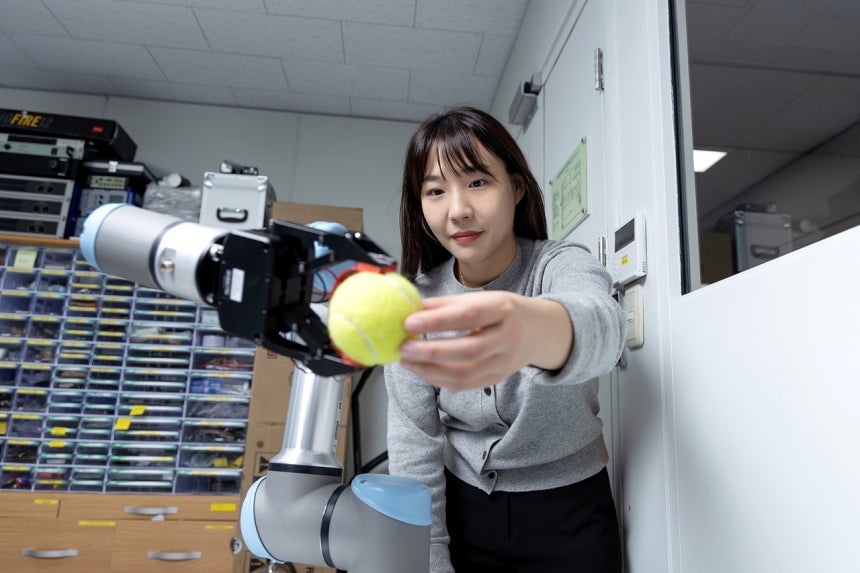
The University of Science and Technology is recruiting new master's and doctoral students to conduct research in advanced fields such as AI and quantum technology at 27 government-funded research institutes in Korea, including the Electronics and Telecommunications Research Institute and the Korea Institute of Science and Technology. The university will cover full tuition and provide monthly training stipends, while also expanding its incoming class size from 390 to 430 students.
UST announced Monday it is accepting applications for the second round of early admissions for the 2027 academic year for master's and doctoral programs.
The recruitment covers 45 majors across 27 national laboratory schools, including those affiliated with ETRI, the Korea Institute of Science and Technology and the Korea Research Institute of Chemical Technology.
Applications will be accepted from Nov. 30 through Dec. 4 at 3 p.m. Final candidates will be announced Jan. 29, following document screening and in-depth major interviews.
UST expanded its incoming class capacity by 40 students — from 390 to 430 — starting with this early admissions round. The move reflects a sustained rise in applicants, a 100 percent fill rate for admitted students, and growing demand from national research institutes to select more students.
The university also launched a new AI mobility major aimed at training talent for advanced future industries. The flagship program involves five national laboratory schools: the Korea Institute of Industrial Technology, ETRI, the Korea Institute of Energy Research, the Korea Electrotechnology Research Institute and the Korea Basic Science Institute.
Incoming students in the AI mobility major will receive an additional scholarship of 2.5 million won ($1,870) in their first semester.
UST's defining feature is its field-centered education model, which draws on the advanced research facilities and personnel of national laboratories.
Upon enrollment, students join national research and development projects in cutting-edge fields such as AI and quantum information as student researchers.
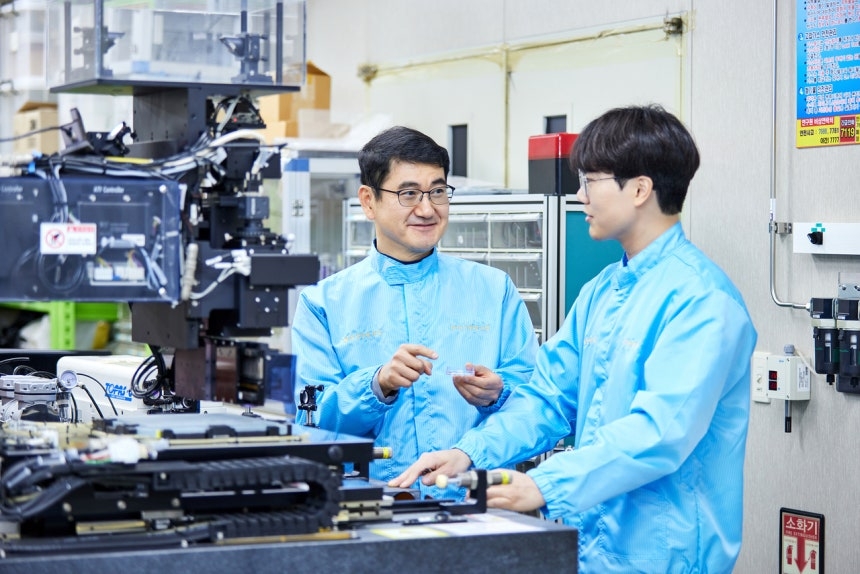
All students receive full tuition of 2.5 million won per semester. Under work contracts, doctoral students receive a minimum monthly training stipend of 1.9 million won and master's students receive at least 1.43 million won per month.
UST also runs a range of research support programs, including overseas training opportunities, support for participation in international academic conferences, and the Young Scientist Development Program, through which students serve as principal investigators on their own research projects.
Admissions are divided into a general track and a special track. The general track includes a part-time professional master's program in national strategic technology fields, open to working professionals in industry. The special track covers military-commissioned students and contract department admissions.
UST will also hold information sessions for prospective applicants. An online session is scheduled for Wednesday at 7 p.m., followed by an in-person session Saturday at 2 p.m. at SpaceShare Samsung Station Center in Gangnam-gu, Seoul.
The sessions will cover admissions procedures and major introductions, feature lectures by distinguished alumni, and offer one-on-one consultations with professors affiliated with national research institutes.
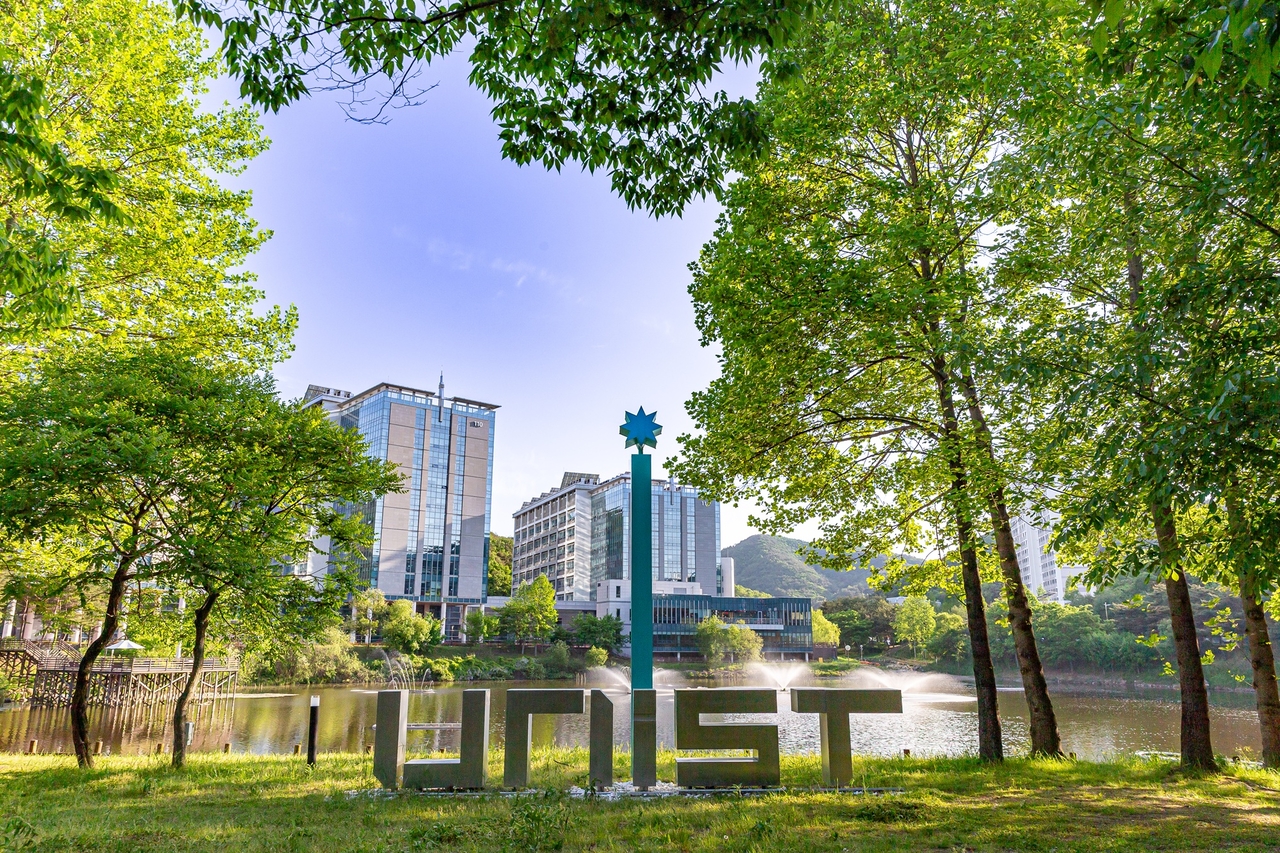
UST operates under the Ministry of Science and ICT and is currently based at 30 national research institutes. About 1,700 doctorate-level researchers affiliated with those institutes serve as professors, training specialized talent in science and engineering.
nbgkoo@heraldcorp.com