
District analyzes noise, traffic, parking and commercial activity to prepare for large-scale venue
Data-driven approach extends from festival safety management to water cooler and bus terminal placements
Training programs and competitions aim to embed data culture across the district's civil service
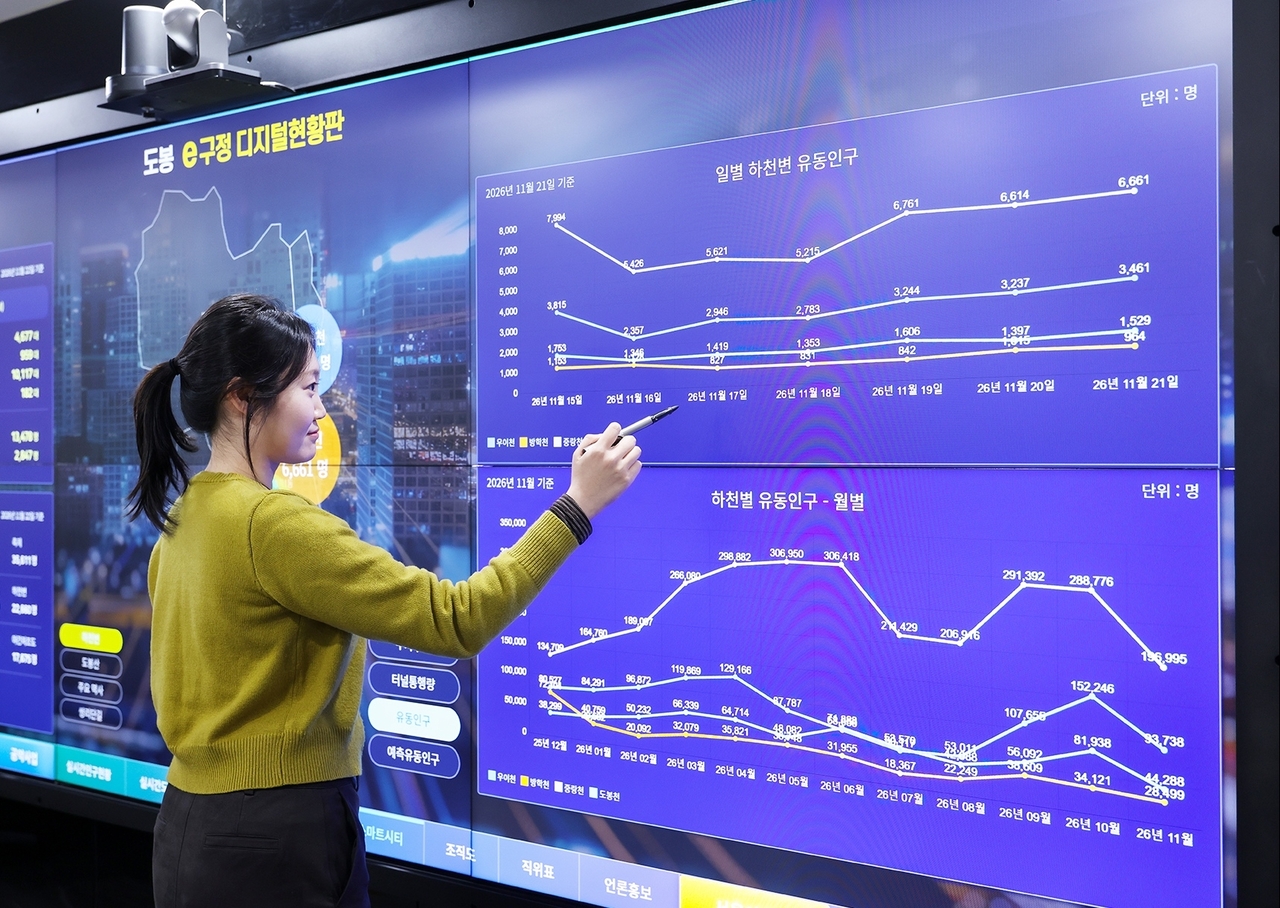
Seoul's Dobong-gu is moving away from experience-based intuition and expanding data-driven, evidence-based administration across all areas of district governance. The district is focused on improving the accuracy and efficiency of policy — from predicting urban problems ahead of a major venue opening to determining where to place everyday public facilities.
Dobong-gu said it has launched an effort to identify potential urban challenges and develop responses through data analysis in preparation for the opening of Seoul Arena in Changdong, a flagship project of the current district administration.
The district's dedicated data analysis team began by examining media coverage and resident complaints to identify and prioritize the key issues expected after Seoul Arena opens — including noise, traffic and parking congestion, pedestrian flow, commercial activity and accommodation demand.
Drawing on case studies from existing large-scale performance venues, the team then collected and analyzed data on noise levels before and after events, increases in subway ridership and road vehicle delays, how long crowds linger in surrounding areas, nearby accommodation occupancy rates and prices, and card-based sales figures in adjacent commercial districts.
Using the findings alongside AI, the district simulated conditions expected after Seoul Arena opens and proposed response measures by sector. Dobong-gu plans to share the analysis with relevant departments so they can proactively address urban changes brought on by the opening.
The data-driven approach is also being applied to projects that directly affect residents' daily lives.
Before large festivals and events, the district analyzes projected visitor numbers and crowd density by time of day to plan safety management and staff deployment. Data analysis has also been used to select locations for "Bongdalsaem" — refrigerators providing cold bottled water during summer — to determine priority sites for bus information terminals at community bus stops, and to identify shuttle bus routes for public facilities in areas with limited transportation access.
Building internal capacity has been central to embedding data-driven administration. The district has assessed data literacy across all staff and provided training to deepen understanding of data analysis and application. Since 2021, it has held an annual data-driven administration competition to identify and recognize outstanding examples of data use in public service.
Those efforts are paying off: departments responsible for individual projects are increasingly recognizing the need for data analysis on their own and requesting support from the dedicated team. The district said department-initiated requests now far outnumber analyses the team identifies independently, reflecting a broader spread of data culture across the civil service.
"Data is the most accurate compass for understanding where residents' real needs lie," Dobong-gu District Mayor Kim Dong-wook said. "We will continue to lead the positive changes that residents of Dobong can feel in their daily lives through objective, science-based data analysis that produces accurate, evidence-grounded administration."
seouldream01@heraldcorp.com





