
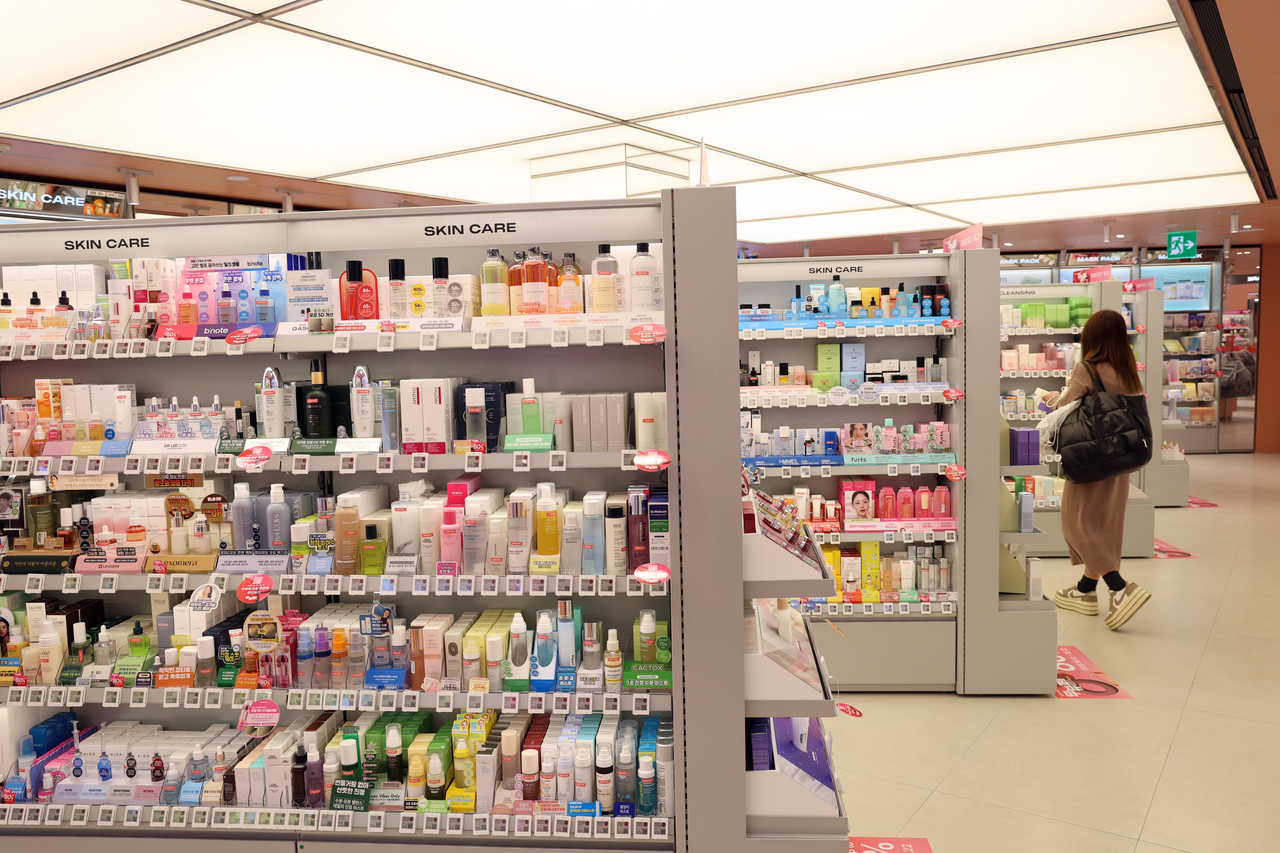
Korean cosmetics-related ETFs have surged over the past week despite a weak Kospi, driven by strong Black Friday sales expectations in the United States and Europe and fresh optimism over China following the conclusion of Korea-China free trade agreement service and investment follow-up negotiations.
According to Koscom ETF Check on Thursday, the "SOL Cosmetics TOP3 Plus" ETF rose 12.47% over the past week, topping all non-leveraged and non-inverse ETFs in terms of returns. The fund invests in Cosmax (up 23.31%), APR (up 16.93%), Silicon2 (up 16.92%) and Cosmecca Korea (up 8.54%).
"TIGER Cosmetics" (up 8.22%) and "HANARO K-Beauty" (up 8.02%) also posted strong gains.
From Monday through Wednesday, the cosmetics sector index climbed 12%, far outpacing the Kospi, which fell 3.5% over the same period. Analysts attributed the rally to growing earnings optimism after major domestic cosmetics brands performed well on key e-commerce platforms during Black Friday events in the United States and Europe.
"The market has begun to reassess the growth potential of K-beauty after reconfirming its strong demand, and excessively depressed valuations are now acting as a catalyst for the share price rebound," said Park Shin-ae, an analyst at Meritz Securities.
The cosmetics sector had seen its share prices suppressed by more than 20% over the past three months, weighed down by concerns over slowing growth next year and a stronger won, even as earnings estimates for this year remained solid. Analysts said the rebound gained momentum as attractive valuations combined with strong Black Friday results eased fears of a growth slowdown next year.
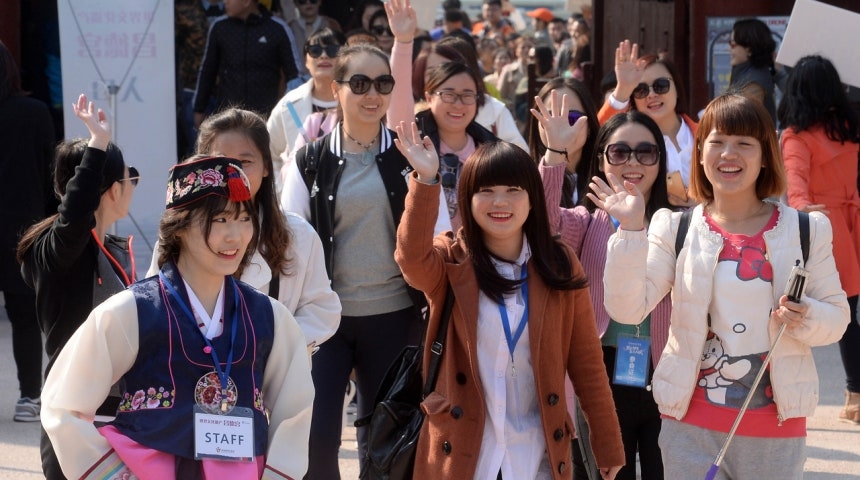
Adding to the positive sentiment, the conclusion of Korea-China FTA service and investment follow-up negotiations — announced at a Korea-China summit on Nov. 18 — raised hopes for a recovery in the Chinese market. The agreement, reached roughly eight years and eight months after the original FTA, allows Korean travel agencies in 23 Chinese regions to directly recruit Chinese tourists and sell travel packages, grants most-favored-nation status to Korean films and games while expanding co-production arrangements to cover drama series, animation, entertainment and documentary content, and permits independent operation of more than 30 stores in China.
Securities analysts are focusing on the prospect of rising Chinese tourist arrivals and stronger China sales as Korea-China relations improve.
"When the bilateral relationship turns favorable, both inbound tourism and export indicators are bound to improve together," said Son Ye-bin, an analyst at Kiwoom Securities. "A favorable environment for the cosmetics sector is taking shape."
In practice, cosmetics export figures to China have already rebounded. Cosmetics exports to China totaled $1.66 billion in the January-to-October period this year, up 2.9% from the same period a year earlier — breaking a four-year streak of negative growth.
"An increase in Chinese visitors to Korea and a pickup in consumer spending driven by expanded Korea-China tourism exchanges will have a positive effect on sales across domestic cosmetics distribution channels, including duty-free shops, CJ Olive Young and department stores," said Jo Gyeong-jin, an analyst at IBK Investment Securities.
However, some analysts caution that it is too early to conclude that improved Korea-China relations will translate into earnings growth for the cosmetics industry. "The China momentum for the cosmetics sector would become more visible if K-pop stars begin holding concerts on the Chinese mainland," said Park Jong-dae, an analyst at Hana Securities. "The mass cosmetics market in China is still dominated by local brands."
moon@heraldcorp.com





