Ministry of Employment and Labor holds 2nd National Labor Inspection Council
Seoul, South Jeolla-Gwangju, Gyeonggi Province, South Gyeongsang Province and Jeju to lead initial rollout
Targets workplaces with fewer than 30 employees, focusing on wage theft and industrial accident risks
About 500 local labor inspectors to operate nationwide from April next year
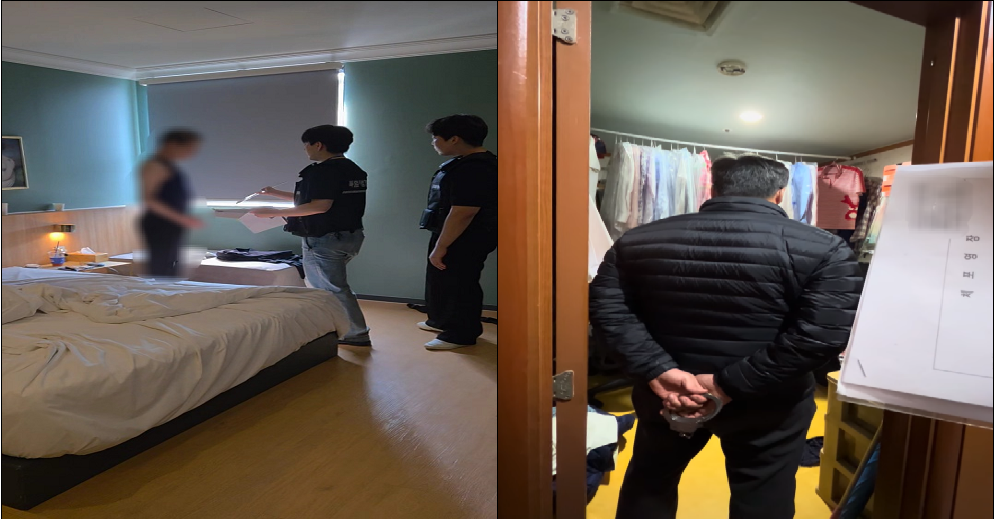
South Korea will delegate labor inspection authority to local governments for the first time, ending the central government's exclusive hold over workplace oversight.
Starting Dec. 8, 30 local labor inspectors from five regional governments — Seoul, South Jeolla Province-Gwangju, Gyeonggi Province, South Gyeongsang Province and Jeju — will begin inspecting 332 workplaces with fewer than 30 employees. From April next year, about 500 local labor inspectors are expected to operate across the country.
The Ministry of Employment and Labor announced Thursday that it will hold the 2nd National Labor Inspection Council in written form Friday to formally advance the delegation of workplace inspection authority.
The National Labor Inspection Council is a statutory consultative body established to allow the labor minister to delegate part of workplace inspection authority to provincial governors and metropolitan city mayors. The labor minister chairs the council, with vice ministers from the Ministry of Justice and the Ministry of Interior and Safety, along with deputy heads of all 16 metropolitan and provincial governments, participating as members.
The delegation follows the enactment of the Labor Inspector Duties Execution Act on April 7, which takes effect Dec. 8. From April through this month, the ministry conducted joint central-local government inspections and consulting sessions at small workplaces with fewer than 30 employees considered vulnerable in labor management, giving local government officials hands-on experience.
As a pilot, 30 local labor inspectors from the five regional governments will oversee 332 workplaces through late April next year. The workplaces were selected based on each region's industrial characteristics and the prevalence of wage theft and industrial accidents.
In Seoul, inspectors will focus on security firms at apartment complexes and building management offices to prevent excessive working hours. Small construction sites, which face heightened accident risks during winter and the spring thaw when ground conditions weaken, are also on the list.
In South Jeolla Province and Gwangju, the focus will be on manufacturing industries prone to wage theft, the shipbuilding sector with its multilayered subcontracting structures, and the fishing industry, which employs large numbers of foreign workers. Shipbuilding and repair operations and construction sites with high fire and explosion risks are also included.
Gyeonggi Province will inspect six industries with frequent wage violations — including wood and furniture manufacturing, convenience stores and restaurants — as well as four industries handling hazardous materials, such as food manufacturing and recycling processing.
South Gyeongsang Province will target machinery, equipment and metal processing manufacturing sectors vulnerable to wage theft and industrial accidents. Jeju will focus on retail and food service businesses with frequent basic labor law violations, as well as accommodation and livestock farming operations that carry high industrial accident risks.
The ministry will also hold a local government inspection launch review meeting Friday, bringing together officials from the five regional governments and their respective regional labor offices. The meeting will conduct a final check on inspection readiness and discuss how to handle potential missteps and risk factors that may arise during local governments' first labor inspections.
Kim Do-hyeong, head of the ministry's labor inspection policy division, said Dec. 8 marks "the first day local governments join the labor inspection work that the central government has handled alone." Kim added that the ministry would "spare no effort in mentoring and on-site support, working as one team with local governments, and will work together to ensure the inspections help small business owners with prevention and labor management."
fact0514@heraldcorp.com