Human Resources Development Service of Korea holds first AI training best-practices competition
Customized AI training frameworks built for 2,000 small and medium-sized enterprises
4,800 workers at 973 SMEs nationwide receive specialized AI training

AI adoption has cut the time a small shipbuilding-parts manufacturer spends entering materials lists from 25 minutes per drawing to just one minute, while a frozen food distributor now completes a delivery scheduling task that once took 70 minutes in under a minute. Vocational AI training for workers at small and medium-sized enterprises is translating into measurable productivity gains and cost savings on the factory floor.
The Human Resources Development Service of Korea held its "2026 AI Training Best Practices Competition" on Thursday at Rise Autograph Collection in Mapo-gu, Seoul.
Held for the first time this year, the event was organized to share the results of business support efforts by 10 newly opened AI Training Diffusion Centers and 20 AI-specialized joint training centers for small and medium-sized enterprises, and to spread successful models more widely. Twelve teams that cleared an initial document screening presented their outcomes.
Gwanglim Marine Tech, which manufactures fire doors and other components for ships, had seen orders surge amid a boom in the shipbuilding industry, but each client required different specifications and drawing formats, forcing staff to enter materials lists by hand one by one.
The AI-specialized joint training center at Korea Maritime and Ocean University visited the factory twice to assess on-site challenges, then conducted training on automating materials-list entry using AI-based optical character recognition technology.
After nine employees from the design and management teams completed 32 hours of training, the time needed to enter a materials list for a single drawing fell from 25 minutes to about one minute. The typo rate on materials lists dropped 98.8 percent — from 5.34 percent to 0.065 percent — and the time required to place orders shrank 85.3 percent, from 4.1 hours to 0.6 hours.
Frozen food company Sase, with support from the Korea Chamber of Commerce and Industry's Gyeonggi Province Human Resources Development Institute, built an automated delivery scheduling system using the generative AI model Claude. Standardizing 18 dispatch rules that had previously relied on individual staff experience cut daily scheduling time 98.6 percent, from 70 minutes to one minute. Annual time savings were estimated at about 308 hours.
AI also featured in workplace safety improvements. Daeun Transportation, backed by the South Gyeongsang Province Employers' Federation, linked previously scattered dispatch records, timetables, vehicle data and driver-behavior data to individual drivers. The integrated system allows the company to analyze risky driving patterns and use the findings for preventive education and habit improvement rather than disciplinary action.
LDT, a maker of wireless fire detectors, developed its own AI fire-prediction model with support from Korea University of Technology and Education. The fire detection rate rose from 88.5 percent to 93.6 percent, while the false-alarm rate fell from 16.2 percent to 9.85 percent. By shifting from outsourced to in-house development, the company cut costs by about 200 million won ($149,000).
This year, the agency deployed 446 AI training coaches to company sites through its AI Training Diffusion Centers for small and medium-sized enterprises, establishing customized AI training frameworks at 2,000 firms. Of those, 600 received structured on-the-job training focused on AI-driven workflow improvement.
Through the AI-specialized joint training centers, the agency drew on infrastructure at regional large corporations and anchor universities to deliver project-based learning and other specialized AI training to 4,800 workers at 973 small and medium-sized enterprises nationwide.
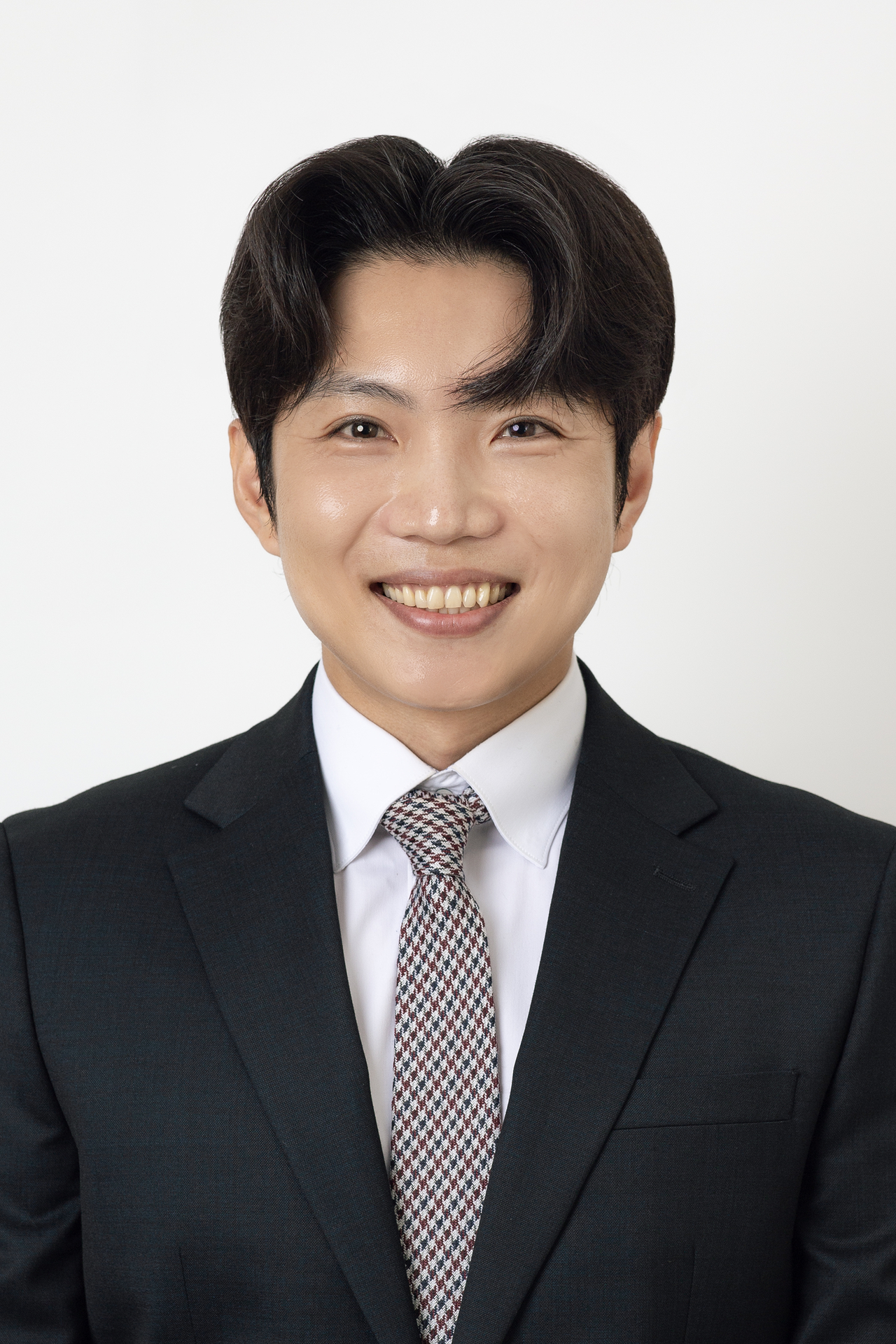
"We were able to confirm excellent cases of small and medium-sized enterprises improving their operations through training that integrates AI into their work," said Lee Byung-hoon, president of the Human Resources Development Service of Korea. "We will continue to provide support so that many regional small and medium-sized enterprises can produce such AI training success stories in this era of AI transformation."
fact0514@heraldcorp.com