
R&D staffing woes hobble expansion into new businesses
86.2% of small firms say hiring researchers is difficult
Wage and welfare gaps make long-term retention a struggle
Stock-based rewards draw attention as a retention tool
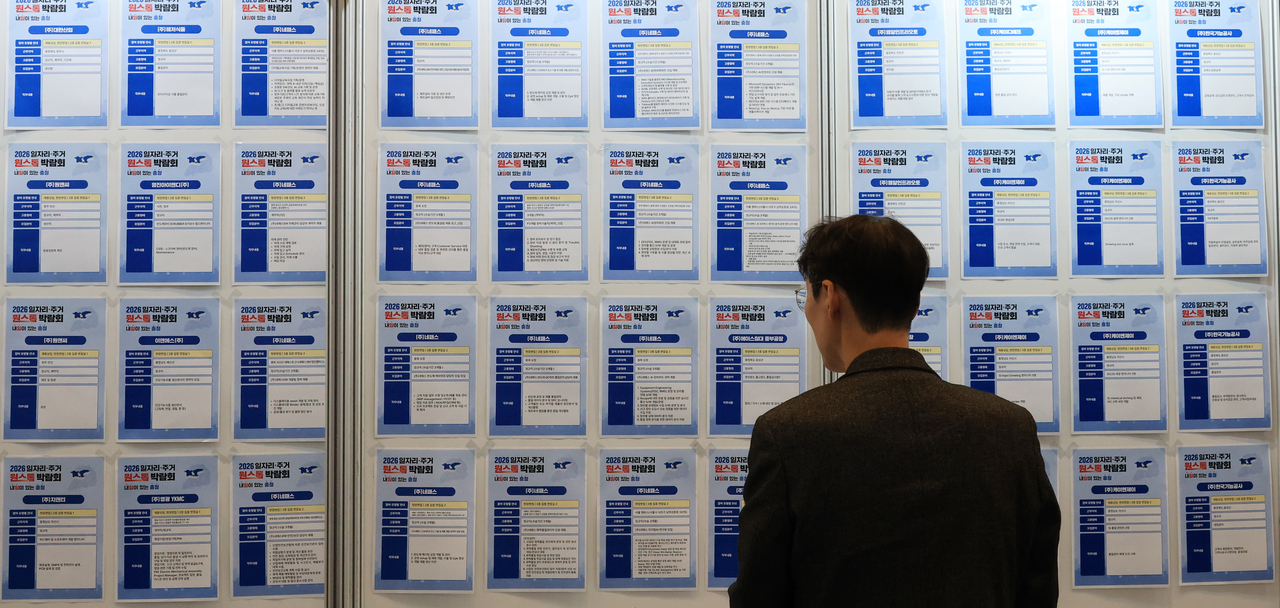
A materials manufacturer in the Chungcheong region is pursuing an initial public offering — not primarily to raise capital, but to attract talent. The company has built proprietary technology, expanded into overseas markets and posted sales reaching the 100 billion won ($74.4 million) range, yet its owner, identified only as A, says finding the people needed to sustain that growth remains a persistent struggle.
"New hires don't want to come, and researchers who do join tend to say they'll quit after about three years," A told The Herald Business recently. "Going public would let us reward people with shares as the company grows, and that could help us bring in the talent we need."
A's company set up a research institute before it even formally launched, reflecting a deep commitment to R&D. The reasoning was straightforward: in a materials industry long dominated by global players, a late-entering domestic small and medium-sized enterprise can survive only by differentiating itself through technology. With growth in the company's core business now slowing, A has also been pouring resources into R&D aimed at breaking into new industrial sectors.
Expanding into those sectors requires strong research talent, but the business environment is unforgiving — raw materials prices are rising and price competition with global firms is intense. The broader social preference among young people for stable, comfortable jobs over risk-taking adds to A's frustration. "In a climate where young talent prefers a safe, easy job over a challenge, it's genuinely hard to secure the people you need when you're running a company like this," A said.
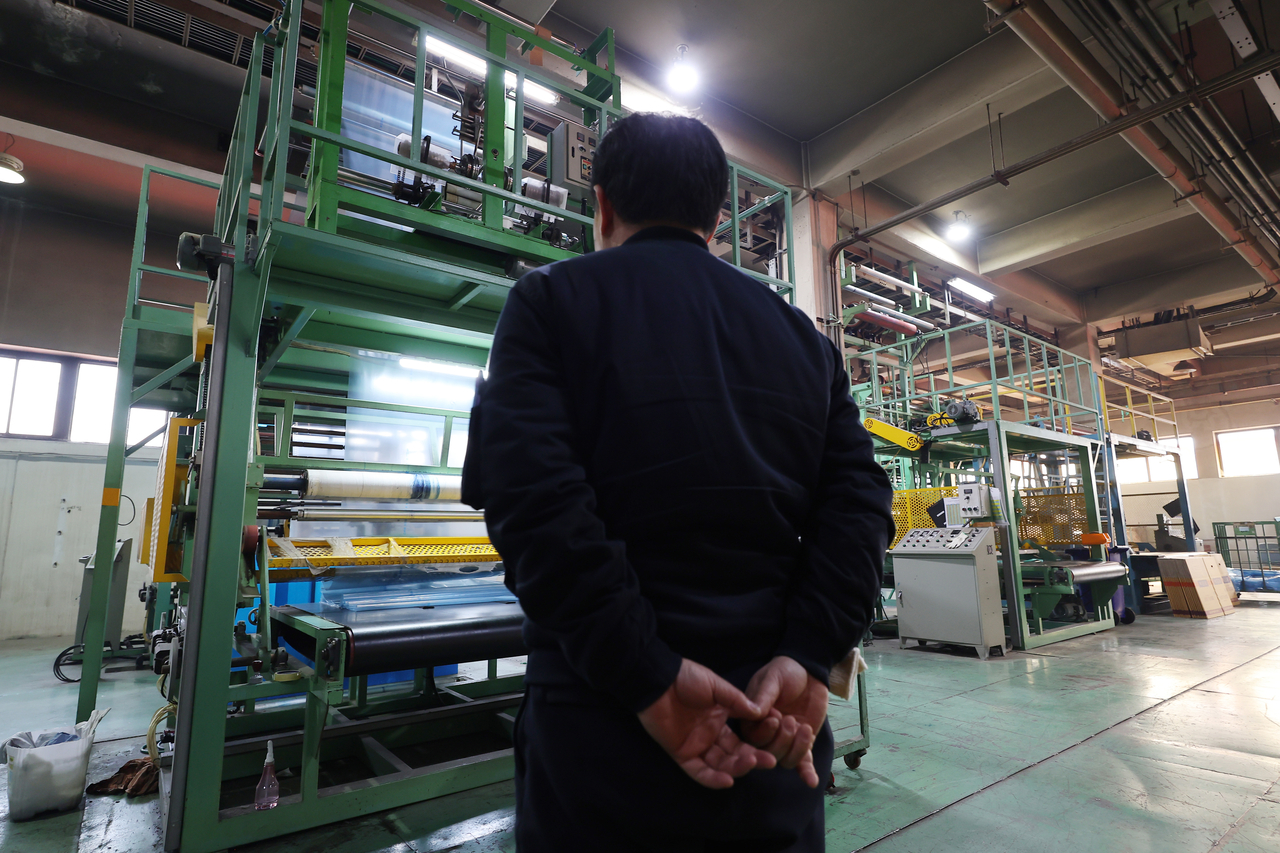
Hard to hire, harder to keep: SMEs sound alarm on talent
Even small and medium-sized enterprises with proprietary technology and a foothold in overseas markets are struggling to secure skilled workers. Because R&D drives growth, the staffing shortage threatens to erode the future competitiveness of these firms. A recent survey by the Korea Institute for Small and Medium-sized Enterprises and Startups covered 283 small and medium-sized enterprises with in-house research institutes and at least five employees; 86.2 percent of respondents said they had difficulty hiring the R&D staff they needed.
Holding on to those workers once hired is an equally serious problem. Some 72.8 percent of the surveyed companies said newly recruited R&D staff stayed for an average of less than three years. One in five firms — 20.1 percent — reported suffering business losses due to researcher turnover in the past three years. The problem was particularly acute among manufacturers: 23.7 percent reported such losses, compared with 13.4 percent among non-manufacturers, a gap of 10.3 percentage points.
For technology-based manufacturers in materials and components, competitive strength is built on knowledge and know-how accumulated over years, making skilled workers hard to replace. Small and medium-sized enterprises, which typically run leaner research teams than large conglomerates, can see product development or commercialization timelines derailed by the departure of just one or two key researchers. Bringing new hires up to speed also demands additional time and cost before they can contribute meaningfully.
Sharing the upside: firms look to new reward structures to retain talent
Against this backdrop, experts say small and medium-sized enterprises need to build differentiated compensation systems that share the fruits of company growth with employees — and that the government must put supporting policies in place.
A survey by the Korea Institute for Small and Medium-sized Enterprises and Startups of 191 young researchers with master's or doctoral degrees working at small and medium-sized enterprises found that the most-cited government support measure needed for long-term retention was help with asset-building and lump-sum savings, at 41.4 percent. Support for welfare, housing and commuting came second at 27.2 percent, followed by performance-based compensation support at 18.8 percent.
The institute recommended introducing new tax incentives for restricted stock units at venture companies as a way to encourage key talent to stay longer.
An RSU is a system under which a company grants promised shares to employees who remain for a set period or meet predetermined performance targets. Although RSUs were extended to venture companies in July 2024, the institute argued that uptake needs to be boosted by granting tax benefits comparable to those for stock options — including income tax exemptions and installment payment options.
The institute also proposed introducing a long-term savings scheme for research workers at small and medium-sized enterprises outside the Greater Seoul area. Under the proposed structure, the company and the employee would each contribute 300,000 won a month for three years, with the government adding a 5.4 million won maturity bonus, giving the worker a total of 27 million won at the end of the term.
"A decline in R&D personnel and frequent job-hopping at small and medium-sized enterprises can weaken their capacity for technological innovation," said Noh Min-seon, a research fellow at the Korea Institute for Small and Medium-sized Enterprises and Startups. "What is needed is comprehensive policy support that links the recruitment, retention and development of talent — including easing the burden of hiring R&D staff, supporting long-term employment and regional settlement, and strengthening AI capabilities tailored to the workplace."
boo@heraldcorp.com





