US targets 14 economies with new tariffs over industrial overcapacity
China warns of countermeasures, calls move a WTO violation
Washington exempts some goods to avoid derailing existing truce
Miami summit next month seen as pivotal for truce extension
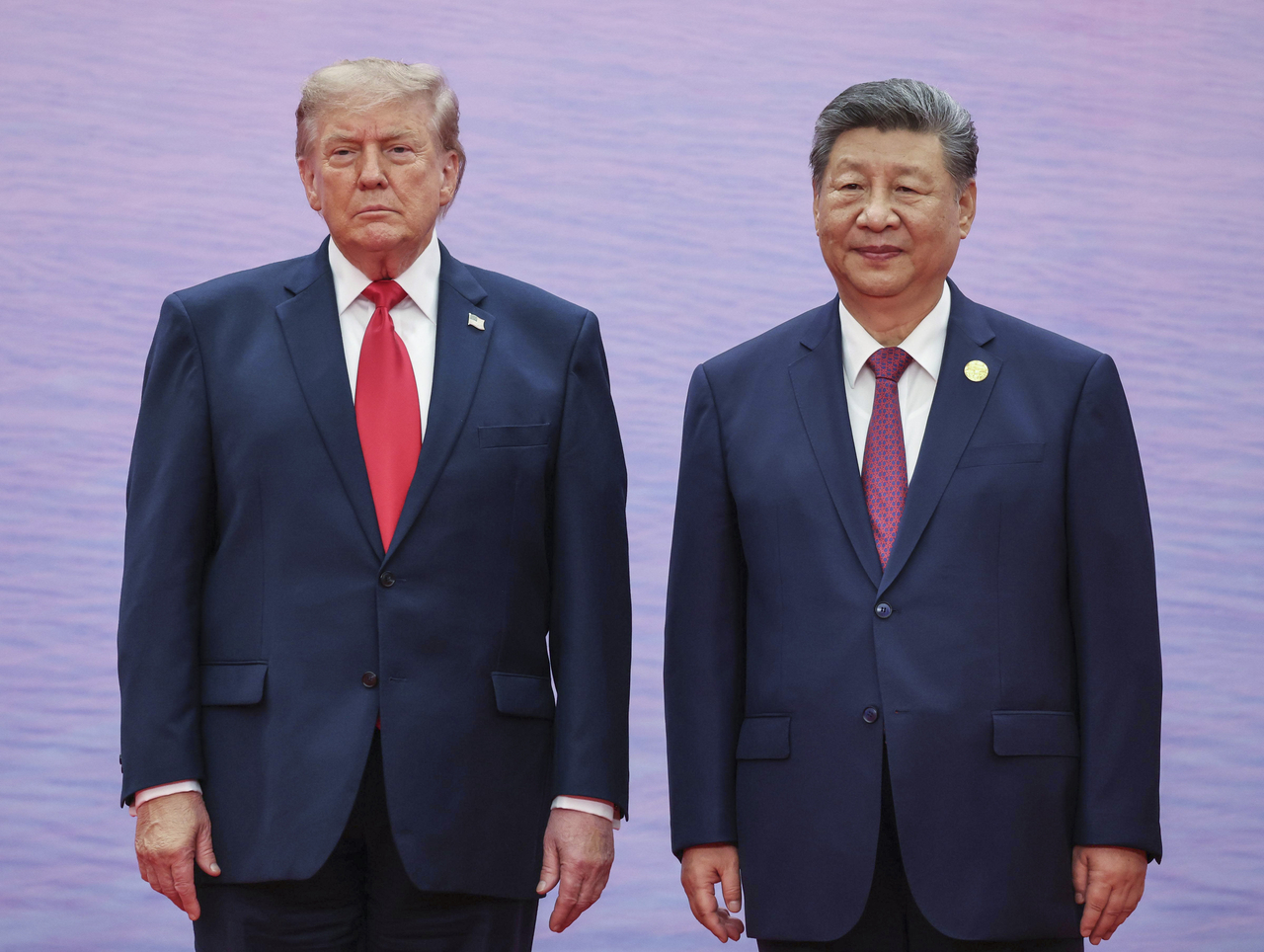
US-China trade tensions are emerging again after the Donald Trump administration left open the possibility of imposing additional tariffs of up to 40 percent on China, targeting industrial overcapacity. China immediately pushed back and warned of countermeasures, as the two countries' standoff intensifies ahead of a summit scheduled for next month in Miami. Some analysts, however, read the move as a bid to gain leverage in truce-extension negotiations rather than a signal of full-scale trade war resumption, noting that Washington has calibrated the pressure by exempting certain goods.
The Office of the United States Trade Representative announced Wednesday (local time) plans to impose additional tariffs on 14 economies — including China, South Korea, Japan and the EU — based on the findings of a Section 301 investigation into industrial overcapacity.
For China, the USTR proposed a tariff rate of up to 20 percent. It also warned that the rate could rise to as high as 40 percent if the US-China trade truce, set to expire Jan. 10, is not extended.
The two countries, which waged a trade war last year through high tariffs and rare earth export controls, have struggled to narrow their differences over implementation of the truce even after agreeing to it.
Washington has complained that China's supply of rare earths and other critical minerals has not recovered to pre-export-control levels. The US has also insisted that China fully honor its commitment to increase purchases of American agricultural products.
Washington's decision to play the tariff card just over a month before the truce expires is widely seen as an effort to press Beijing on existing commitments while extracting additional concessions in future negotiations.
China wasted no time in pushing back against the US tariff announcement.
He Yadong, a spokesperson for China's Ministry of Commerce, said at a regular briefing Thursday that the US move was a unilateral act that seriously undermines the international economic order and violates World Trade Organization rules. "China firmly opposes this," He said.
He added that China "will closely monitor developments, reserves the right to take necessary measures, and will resolutely defend its legitimate rights and interests."
Chinese state media also joined in criticizing the US tariff plans. The Global Times and other outlets said the new tariff measures could undermine the progress the two sides had built through trade negotiations.
The two countries had been holding working-level consultations to stabilize trade relations until recently. They convened the inaugural meeting of the US-China Trade Commission on Nov. 14, then held a meeting of its agricultural working group in Beijing on Monday and Tuesday, where they discussed market access for farm goods and ways to expand trade.
But with Washington now formalizing its additional tariff plans, tensions between the two sides are rising again ahead of the summit.
Still, analysts say the Trump administration calibrated the tariff level to avoid breaking the existing truce framework even as it ratcheted up pressure on China.
Washington decided not to stack the new overcapacity tariffs on top of the forced-labor tariffs it imposed in July, keeping the overall tariff rate on Chinese goods close to the ceiling agreed under the existing trade truce.
About $30 billion worth of consumer goods that the two countries designated for tariff reductions through the Trade Commission were also excluded from the new tariff measures.
The Wall Street Journal said the new US tariff proposal could shake the fragile US-China trade truce, but assessed that the Trump administration appeared to have moderated the tariff level to prevent the existing truce from collapsing.
A full-scale resumption of the trade war would also be costly for the US. Given China's dominant influence over supply chains for rare earths and other critical minerals, any tightening of export controls in retaliation for higher tariffs could deal a broad blow to American manufacturing.
China, too, would face significant economic pain if steep US tariffs crimp its exports to America. Both sides have an incentive to keep pressing each other while avoiding a trade conflict that escalates beyond control.
Attention is now turning to the summit between Trump and Chinese President Xi Jinping in Miami next month — the fourth US-China summit this year.
The key question is whether the two sides can narrow their differences over tariffs, rare earths and agricultural purchases before the trade truce expires in January. Whether the summit will provide an opportunity to extend the truce — or mark the start of another round of tit-for-tat tariffs and export controls — is being closely watched.
sjy@heraldcorp.com