14 heated bus-stop seats added, 16 windbreaks and 2 outdoor warming pods installed; 87 cold-snap shelters to operate through March. Welfare checks on 28,928 elderly residents living alone to be stepped up; medical and traffic response teams added.
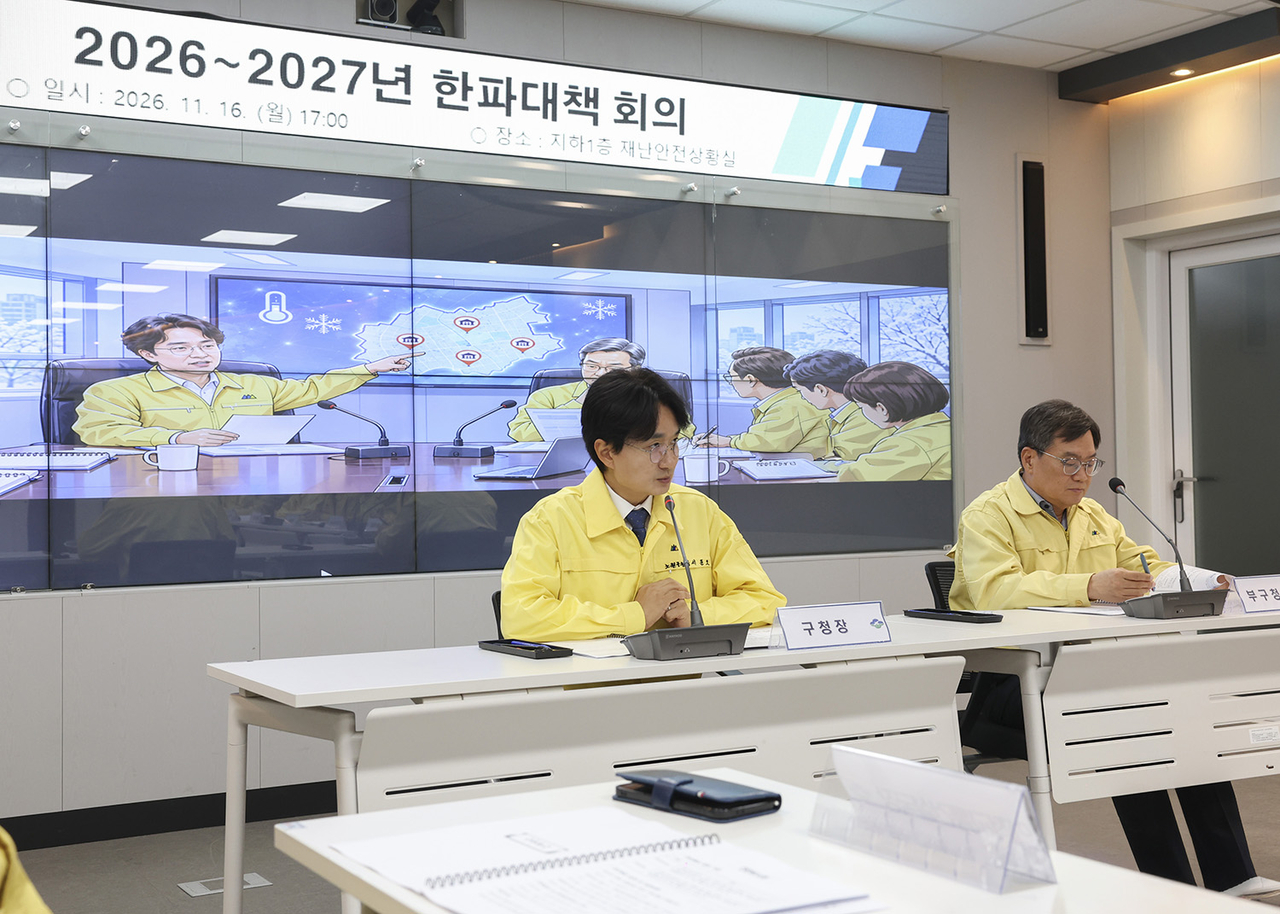
Seoul's Nowon-gu is rolling out a community-focused winter cold-snap plan that expands cold-weather infrastructure at bus stops, parks and other everyday spaces while strengthening care for vulnerable residents.
The district office said it will add heated seats, windbreaks and outdoor warming pods to help residents stay warm in their daily surroundings, and will reinforce its protection and response systems for those most at risk from extreme cold.
To ease the wait at bus stops, the district will install 14 additional heated seats this year, on top of the 359 installed last year, bringing the total to 373. The seats maintain a surface temperature of around 35 degrees Celsius from 5 a.m. to 11 p.m. and automatically switch off when the outside temperature rises above 18 degrees. Eighty-two heated bus-stop rest areas will also remain open through March next year.
Outdoor spaces such as parks and walking paths will also receive new cold-weather facilities. Windbreaks will be installed at 16 outdoor rest areas, including parks, by the end of this month, and in December the district will set up one portable outdoor warming pod each at Buram Solmaru Park and the healing rest area at Buramsan Healing Town. The two sites account for two of the 15 locations across Seoul where such pods are planned.
Eighty-seven cold-snap shelters will be available for residents nearby. Made up of 68 senior centers, 18 community service centers across the district's dong neighborhoods and the district office itself, the shelters will operate from Nov. 15 through March 15 next year. They are open on weekdays from 9 a.m. to 6 p.m., while the district office shelter will also open on weekends and public holidays.
When a cold-snap alert is issued, the district office lobby's public lounge will open as a 24-hour emergency shelter, stocked with heating tents, blankets and sleeping bags for residents in urgent need. Shelter locations can be found on the district website and the National Disaster Safety Portal.
The district is also stepping up care for vulnerable groups. As of the end of October this year, residents aged 65 or older numbered 107,951 — 22.6 percent of the total population — with 28,928 living alone. The district will provide electric heating mats to elderly residents who need them and expand dosirak and side-dish delivery to those at risk of missing meals.
Among the 2,983 elderly residents living alone who use the customized senior care service, welfare support workers will conduct safety checks through phone calls, home visits and Internet of Things devices. When a cold-snap alert is in effect, check-ins will be made every other day or daily as needed. Home health management will also be strengthened for about 2,100 households with chronic illnesses or mobility difficulties; visiting nurses will assess health conditions, provide guidance on preventing cold-related illness, and refer high-risk individuals to public health centers and medical facilities.
Protection for homeless people on the streets and support for households in crisis will run in parallel. Patrols around parks and subway stations will be stepped up, and emergency welfare assistance will be linked to households in need. Safety inspections will be carried out at welfare facilities, childcare centers and construction sites to prevent winter accidents such as fires and burst pipes.
The district's cold-snap response structure will also be expanded. A medical team and a traffic response team will be added, bringing the total to four response units when a cold-snap advisory is issued and five when a cold-snap warning is in effect. A 24-hour integrated support operations center will be maintained throughout. The medical team will monitor cold-related illness cases in cooperation with three local emergency rooms, while the traffic response team will track road conditions and take appropriate action.
"We are expanding the spaces where residents can escape the cold in their daily lives — from bus stops to parks, walking paths and shelters close to home," Nowon-gu District Mayor Seo Jun-o said. "We will take careful care of our neighbors who are most vulnerable to the cold, covering their heating, meals and health, so that every resident can have a safe and warm winter."
seouldream01@heraldcorp.com