- Multilayer glass substrate interposer developed for AI chip packaging
- Ultra-high-density 3D interconnect technology earns global recognition
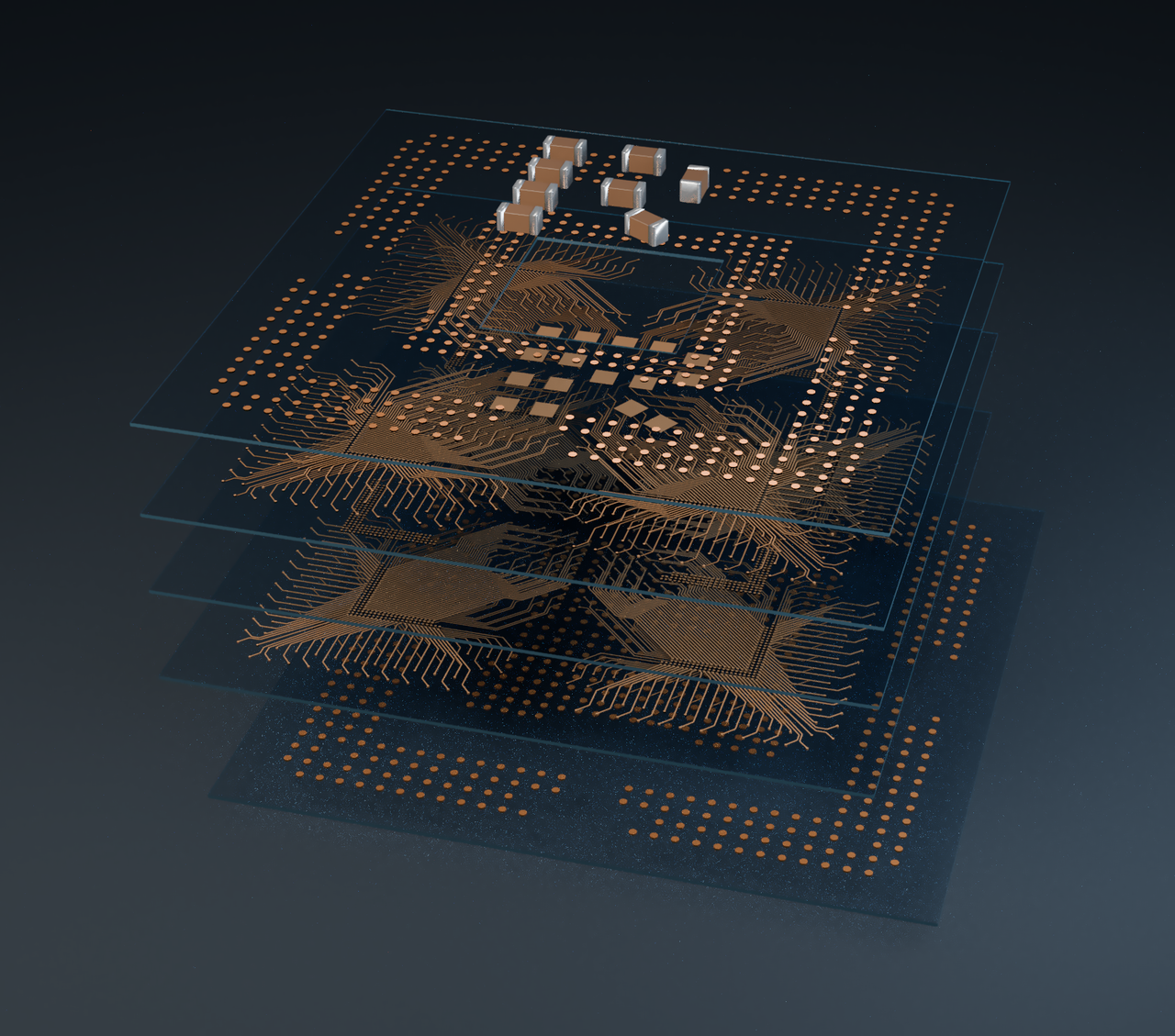
A next-generation glass substrate packaging technology designed to eliminate chronic data bottlenecks in AI semiconductors has earned international recognition for its innovation. The achievement is the product of an industry-academia collaboration combining a domestic university's research capabilities with a regional company's technical expertise.
The Daegu Gyeongbuk Institute of Science and Technology (DGIST) announced Friday that a multilayer glass substrate interposer (MLG) for AI chip packaging, developed by Seo Tae-min, vice president of Lumien and a graduate student at DGIST's Graduate School of Engineering, has won the Best of Innovation award at CES 2027, the world's largest consumer electronics and IT exhibition.
The entry received the top score in the Computer Hardware and Components category.
The award-winning technology is a next-generation packaging solution that efficiently connects key AI semiconductor components — including processors, high-bandwidth memory (HBM) and chiplets — within a limited footprint, resolving data bottlenecks in the process.
The core innovation lies in distributing electrical connection pathways across multiple glass substrate layers and achieving vertical interconnects using solid copper cores, eliminating the need for complex electroplating processes.
The design stacks five glass substrate layers to form seven metal wiring layers with ultra-fine line widths and spacing. The result is an ultra-high-density three-dimensional interconnect structure considered essential for high-performance computing (HPC) semiconductor packaging.
The achievement is particularly notable because it shows how a company's real-world technical challenges can be addressed by drawing on a university's education and research capabilities.
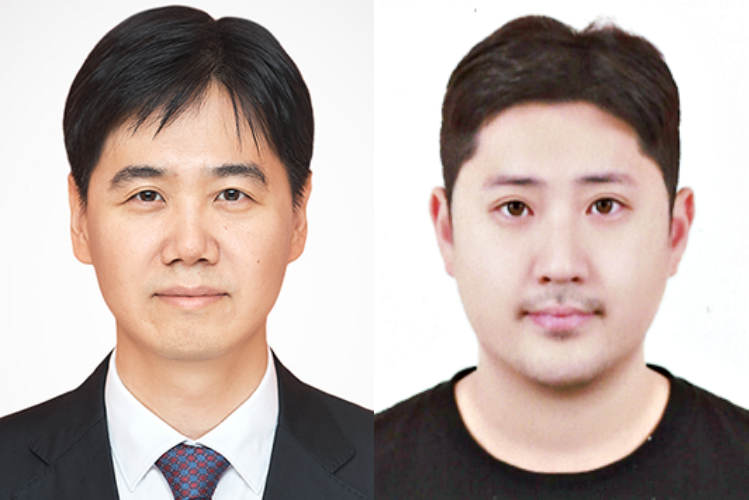
DGIST's Graduate School of Engineering operates a practice-oriented education model in which working professionals treat the technical limitations they face on the job as research topics for their degree programs, with faculty supporting them from problem definition through technology development to results verification.
Seong Si-jun, an adjunct professor at DGIST, said the award was "a precious achievement born from working together to think through and guide a regional company leader's real-world challenges," adding that "the results of solving industry problems through the university's research and education capabilities have now been recognized on the global stage."
Seo said the company would "use this CES Best of Innovation award as a springboard to accelerate our entry into the global semiconductor packaging market and leap forward as a company that leads next-generation packaging technology."
nbgkoo@heraldcorp.com