
3.5 billion Wikipedia views analyzed over 10 years
Appearance in 'Jurassic Park' found to outweigh body size and diet as popularity driver
Herbivore Triceratops owes its fame largely to the film franchise
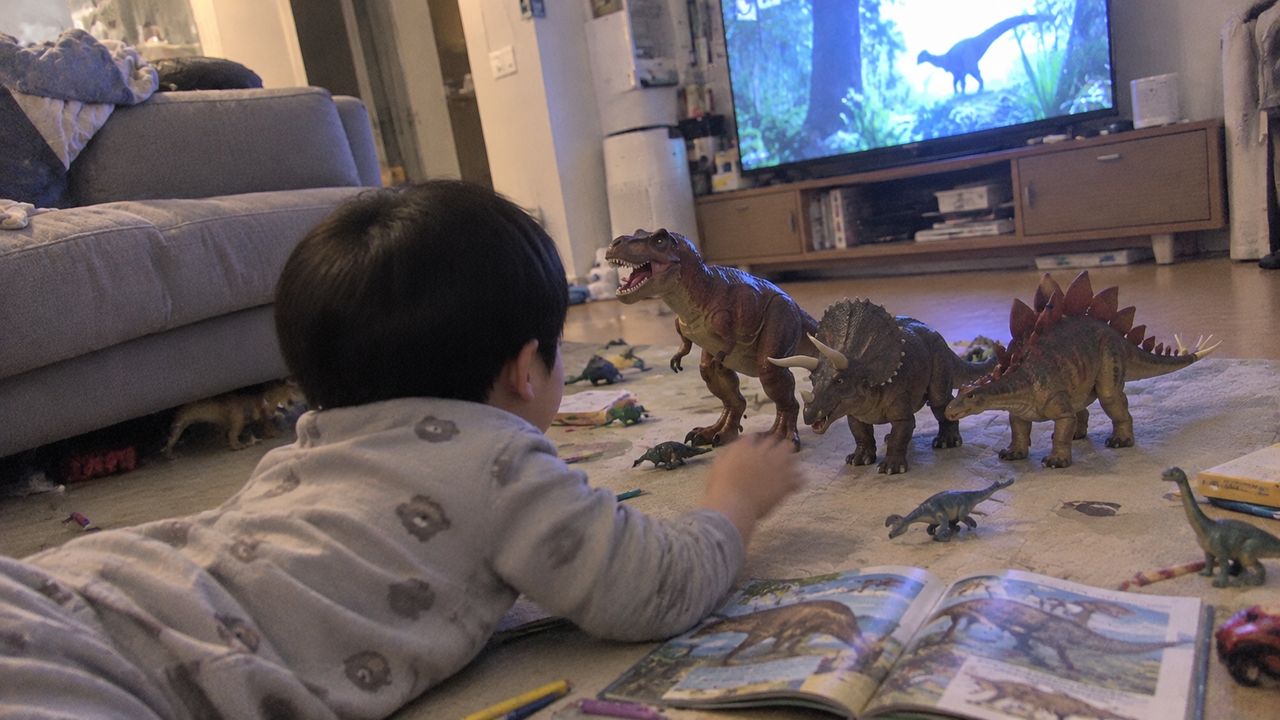
The dinosaurs children learn to name first tend to follow a familiar pattern: Tyrannosaurus, Triceratops, Velociraptor, Brachiosaurus — all of them featured in "Jurassic Park," which opened in 1993.
American paleontologist Stephen Jay Gould once distilled the secret of Tyrannosaurus's fame into three words: "big, fierce, extinct." He went on to call "Jurassic Park" "the greatest opportunity and the heaviest burden" ever to arrive in paleontology.
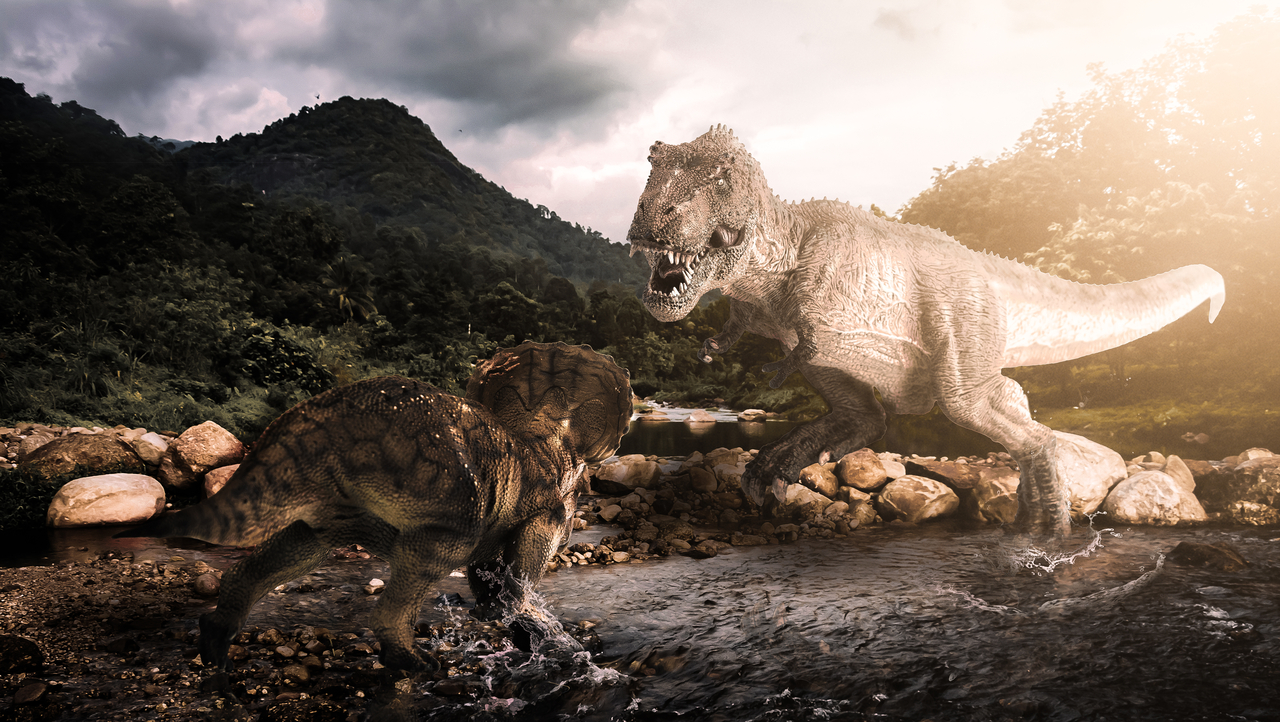
A research team led by Pamela Lima and Richard Ladle of the Federal University of Alagoas in Brazil analyzed Wikipedia page views for 323 dinosaur species and found that whether a dinosaur appeared in the "Jurassic Park" franchise was the single strongest predictor of its popularity. The findings were published in Biology Letters, a journal of the Royal Society.
Research team combs through Wikipedia
Starting with 1,860 dinosaur entries on Wikipedia, the research team filtered out duplicates and invalid names, narrowing the list to 323 species drawn from the Natural History Museum in London's dinosaur catalog. They then tallied human page views — excluding automated bot traffic — for those species across all language editions of Wikipedia over a 10-year period beginning in July 2015. The total came to approximately 3.5 billion views.
The team compared the view counts against each dinosaur's body size, diet, geological era, the year it was first described in scientific literature, and whether it appeared in the "Jurassic Park" franchise. Appearance in the films showed the strongest correlation with popularity.
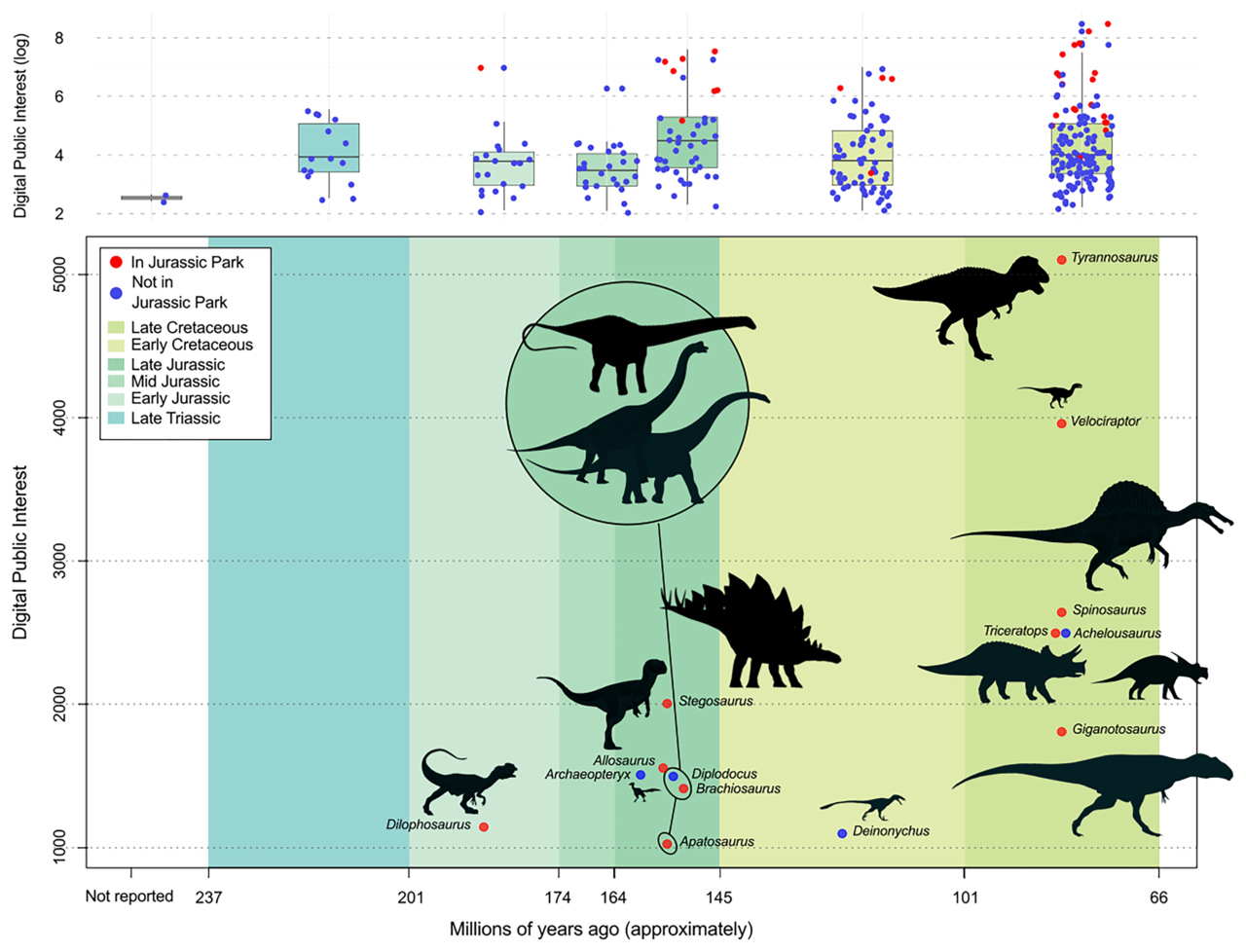
Controlling for body size, diet and era, dinosaurs that appeared in the films drew roughly seven times as many page views as those that did not.
Larger dinosaurs and carnivores attracted more views, while omnivores and herbivores drew fewer. Dinosaurs described earlier in scientific literature also ranked higher, which the team attributed to having had more than a century to embed themselves in public memory through museums and books.
Herbivores become famous too, once they hit the screen
Tyrannosaurus topped the rankings with roughly 5,000 daily views. The team paid particular attention to dinosaurs that were relatively small or plant-eating yet still drew large audiences. The herbivore Triceratops logged 2,493 daily views; Parasaurolophus recorded 955; and Ankylosaurus reached 945.
For well-known herbivores, the research team found that film appearances were almost entirely responsible for their popularity.
Had filmmakers selected only large, ferocious carnivores, it would have been difficult to separate the effect of screen time from the effect of diet. But when the team compared dinosaurs' diets against their franchise appearances, no clear relationship emerged between the two variables.
The team concluded that human preference for large, dangerous predators likely influenced the filmmakers' choices as well.
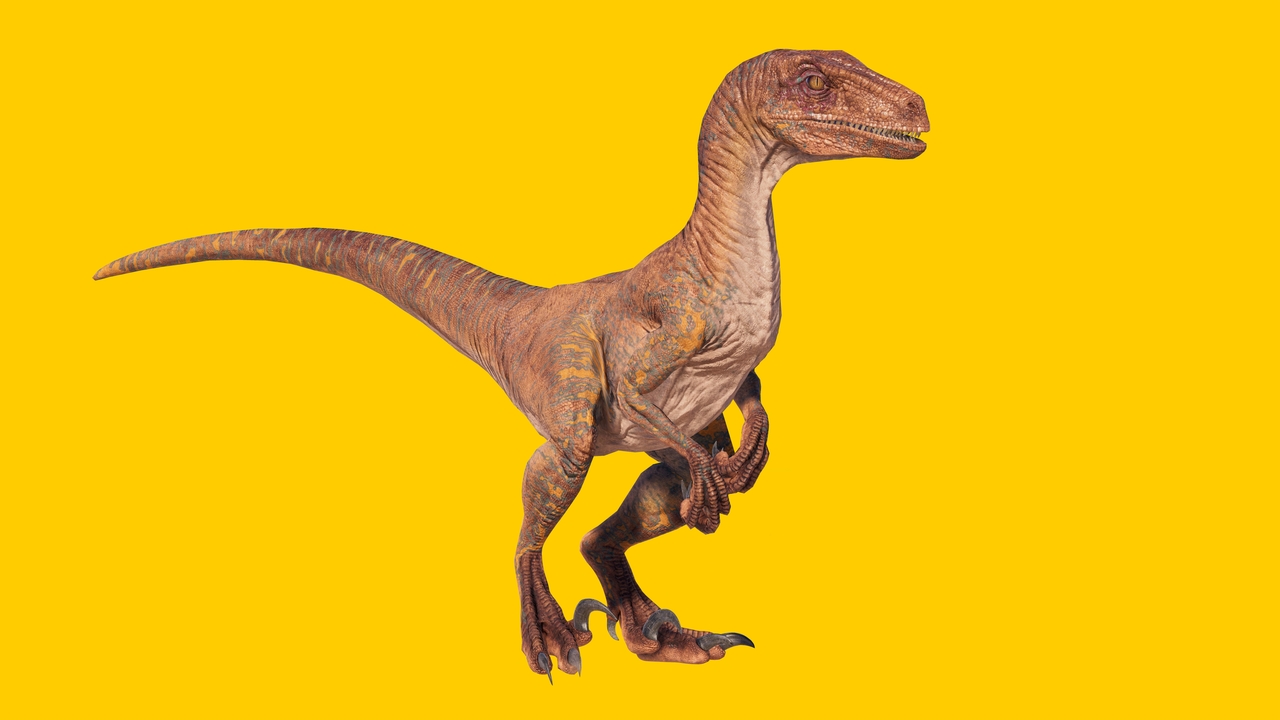
The Velociraptor depicted in the films is portrayed as large enough to hunt humans, but the real animal weighed around 15 kilograms — roughly the size of a turkey. The filmmakers scaled it up based on Deinonychus, a much larger relative, to make it appear more threatening on screen.
The team added that the films did not conjure popularity from nothing. Tyrannosaurus, Triceratops and Stegosaurus were already household names before the first film, thanks to museum exhibitions, picture books and advertising. The "Jurassic Park" and "Jurassic World" franchise, now spanning more than 30 years, has continued to amplify that recognition.
Researcher Lima told the science outlet IFL Science that "fame is not only inherited — it can also be manufactured."
Being remembered is what matters
The team connected their findings to the challenge of protecting animals alive today. Public attention gravitates toward large, dangerous creatures like sharks and tigers, while smaller, less conspicuous species are easily forgotten.
The researchers warned that "social extinction" — when a species disappears from public awareness and memory — can precede or accelerate actual extinction.
The team wrote in the paper that while it is impossible to make an endangered frog or insect bigger and more dangerous, "the same mechanisms that made dinosaurs universally known can be borrowed and applied."
They added that weaving a species' unusual evolutionary history, strange behaviors or role in human life into compelling visual storytelling could produce a "blockbuster effect" on a smaller scale.
Lima said people should "never underestimate the power of a good story in protecting animals."
The team acknowledged a limitation: Wikipedia page views measure how often people search for a species, not how much they actually know or care about it.
The team added: "If people can be this enthusiastic about animals that disappeared 66 million years ago, the potential to redirect that attention toward protecting the species we share our world with today is enormous."
Reference
DOI: 10.1098/rsbl.2026.0425
Pâmela Lima, Sebastián M. Santiago, Mikaella R. Silva, Bárbara Cabral, Karoline Azevedo, Vitória França, Aline M. Ghilardi, Adam Kane, Grace Nolan, Ricardo A. Correia, Richard J. Ladle; Teeth, size or screen time? How media and biological traits shape public interest in dinosaurs. Biol. Lett. 1 November 2026; 22 (11): 20260425.
dbsdn1110@heraldcorp.com





