
Over 300 crowd Mercury Concept unveiling
Safety, reliability emphasized
Triple-layer verification by China, Korea and global quality teams
Nearly 2,000 R&D staff in China
Two platforms, six new models over next three years
China-developed vehicles to enter global markets
"We will place even greater emphasis on product reliability and technological safety while meeting consumer demand for intelligent and electrification technologies. We will not simply pursue rapid integration of new technologies into vehicles or chase sharp increases in sales volume."
Wu Zhoutao, chairman of Beijing Hyundai Motor (BHMC), made the remarks Friday at the 2026 Guangzhou International Motor Show in China. The statement signals Hyundai Motor's strategy to differentiate itself through safety and quality as Chinese automakers race to roll out new technologies and launch new models at an accelerating pace.
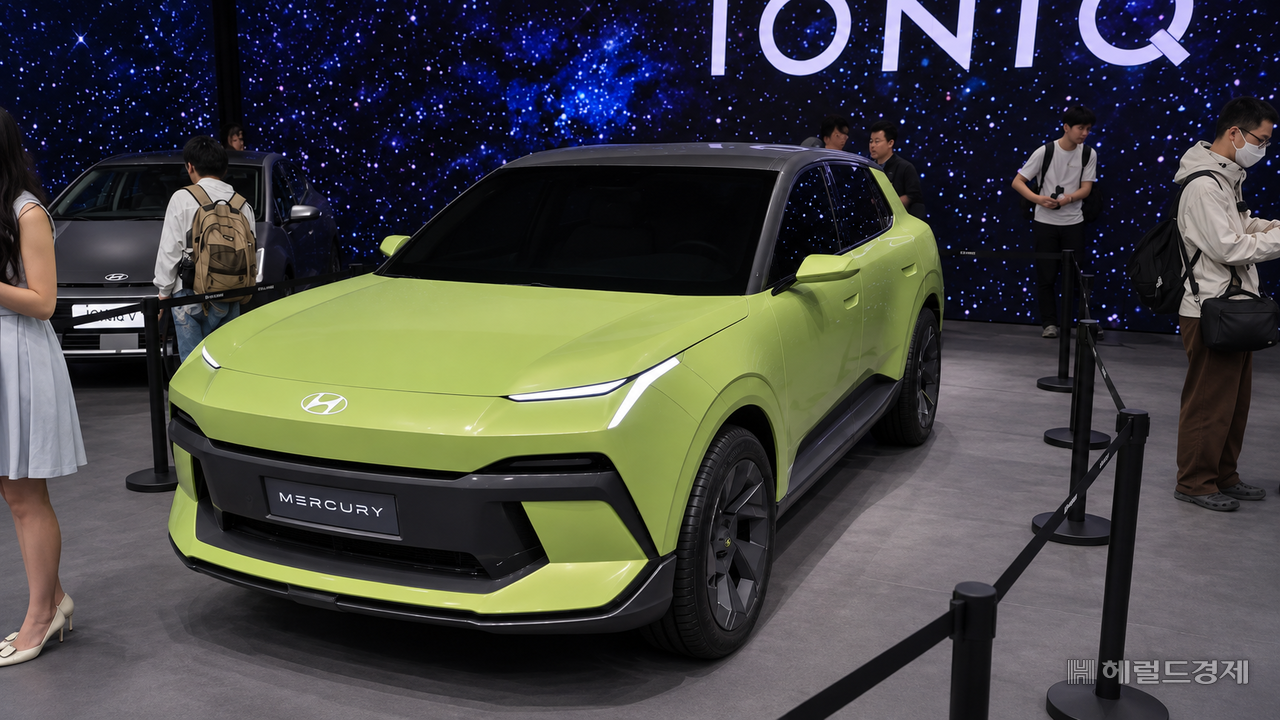
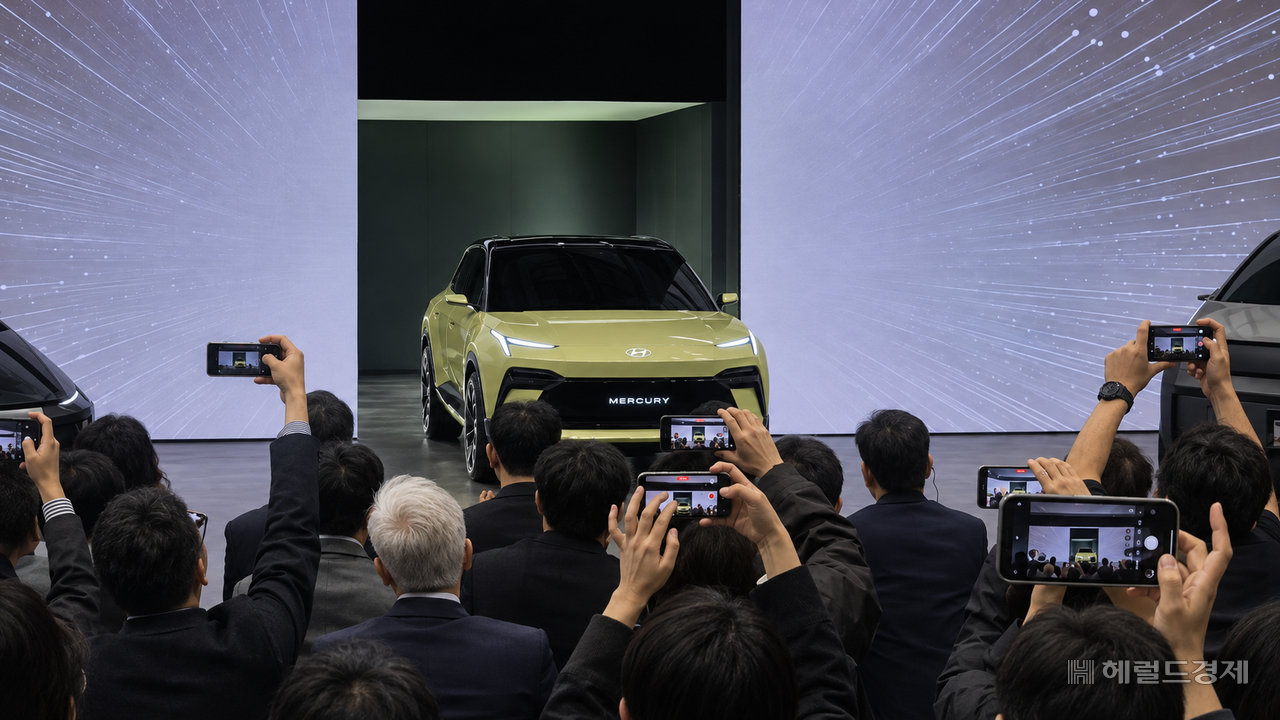
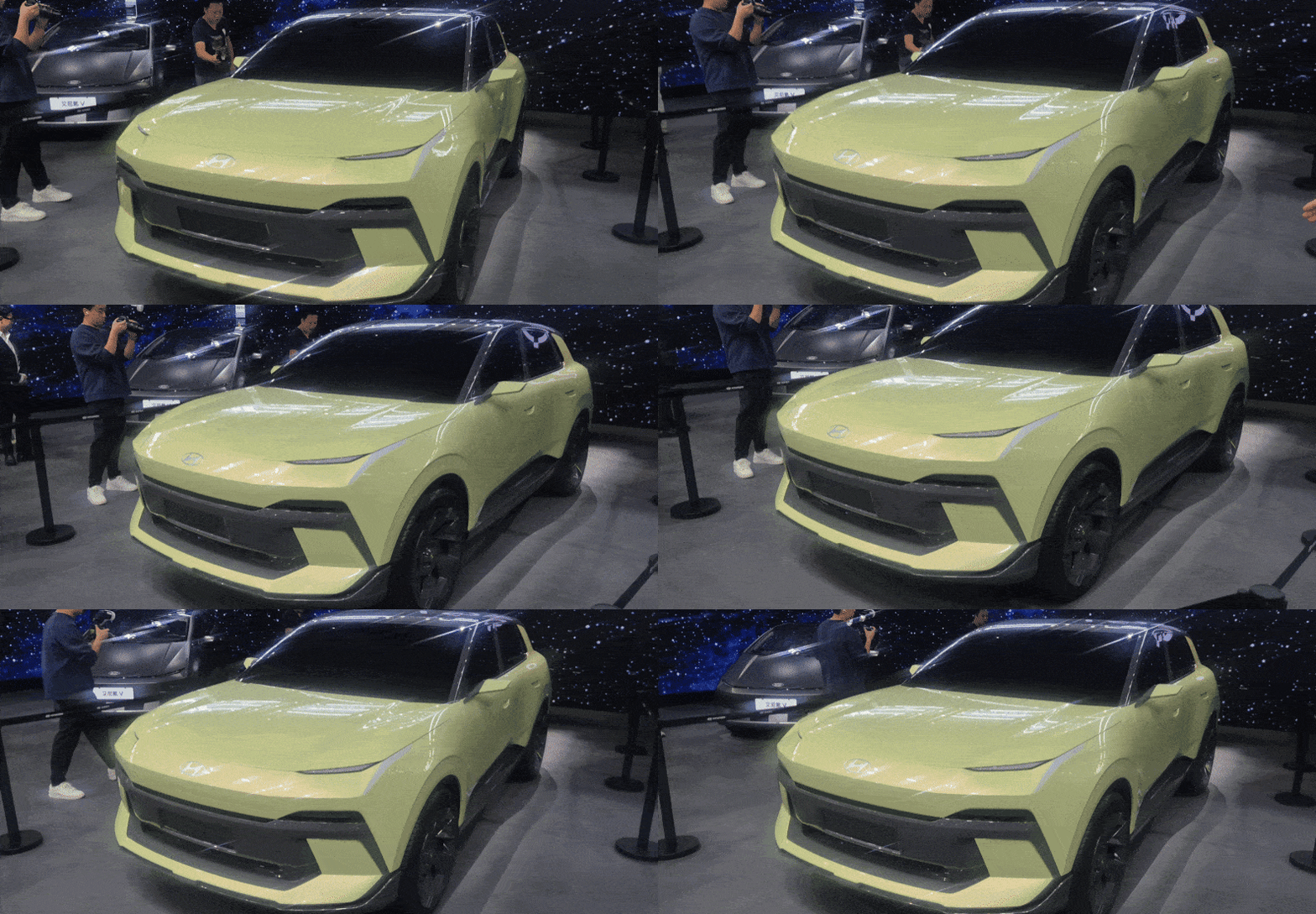
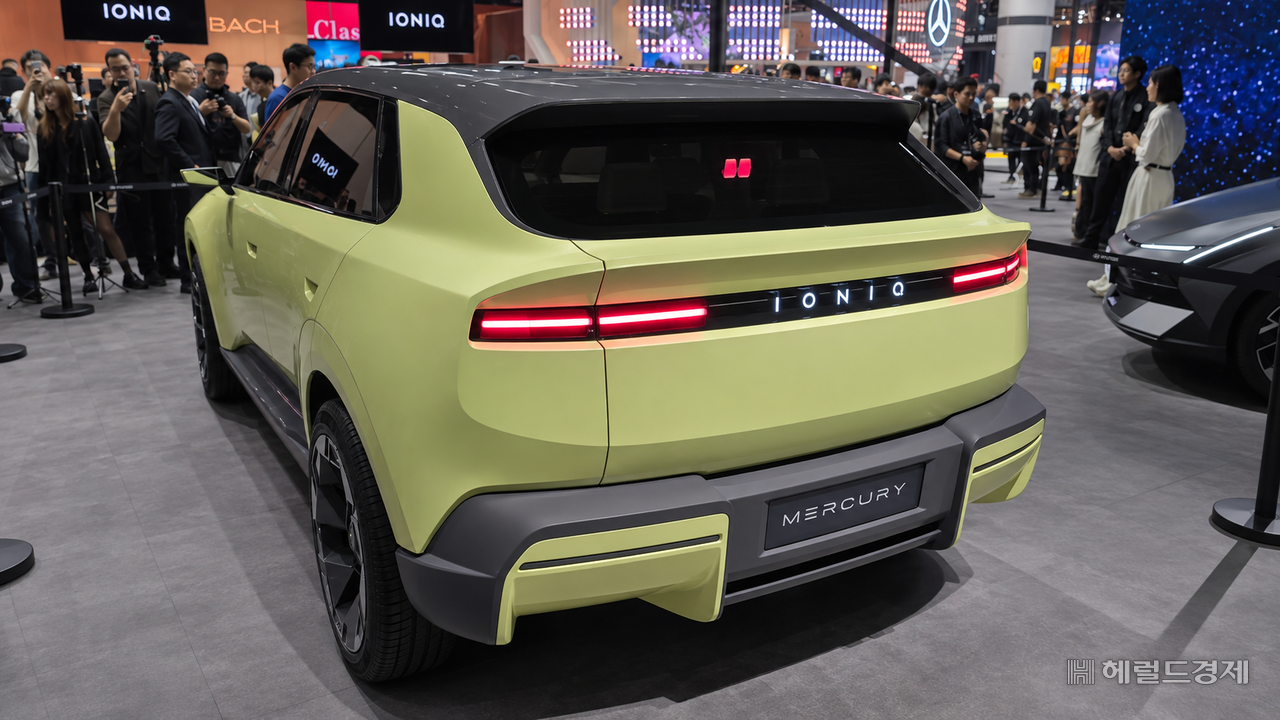
More than 300 members of the local press and dealer representatives packed the Hyundai Motor exhibition hall for the unveiling of the Mercury Concept, a compact electric SUV. Attention focused on the model as Hyundai Motor's second China-specific Ioniq vehicle, following the Ioniq V electric sedan launched in September. Hyundai Motor executives devoted considerable time not only to the new model's product appeal but also to underscoring its safety credentials and brand reliability.
Wu said the replacement cycle for new products and technologies in the Chinese auto market is accelerating, and went on to say that "even amid the complex environment in which the industry's existing growth drivers are giving way to new ones, we must uphold our corporate responsibilities and brand values while safeguarding the long-term interests of our customers."
To that end, Hyundai Motor is expanding its local research and development capabilities in China while applying its global quality verification system. Nearly 2,000 R&D personnel across three Chinese development centers — in Beijing, Yantai and Shanghai — are working on vehicle design, chassis, smart cockpit systems and driver-assistance technologies.
Vehicles developed locally go through a three-stage verification process. Chinese researchers first assess safety and corrosion resistance against local road conditions, after which the Korean headquarters conducts additional checks against Hyundai Motor's global standards. A global quality team then carries out the final review.
Wu said the company has "built a verification system covering diverse regions and conditions across core areas including crash safety, vehicle reliability, corrosion protection and extreme climate performance," adding that "this rigorous verification framework is the firm foundation on which Ioniq earns the trust of our customers."
While prioritizing safety, Hyundai Motor is also actively embracing advanced electrification and intelligent technologies developed by Chinese companies. The automaker plans to adopt CATL's "Chocolate" battery-swapping system, a smart cockpit powered by ByteDance's AI model, and advanced driver-assistance technology from local firms.
Yin Yongli, Hyundai Motor's executive director of China brand sales, said that "in the era of electrification, it is no longer enough to bring leading products and technologies from global markets into China," and that the company must "go deep into the Chinese market and, through local R&D, create products and services that meet the needs of Chinese consumers."
Yin went on to say that "technology should serve people, not the other way around," adding that "Hyundai Motor has consistently regarded quality, reliability and safety as its most important core values."
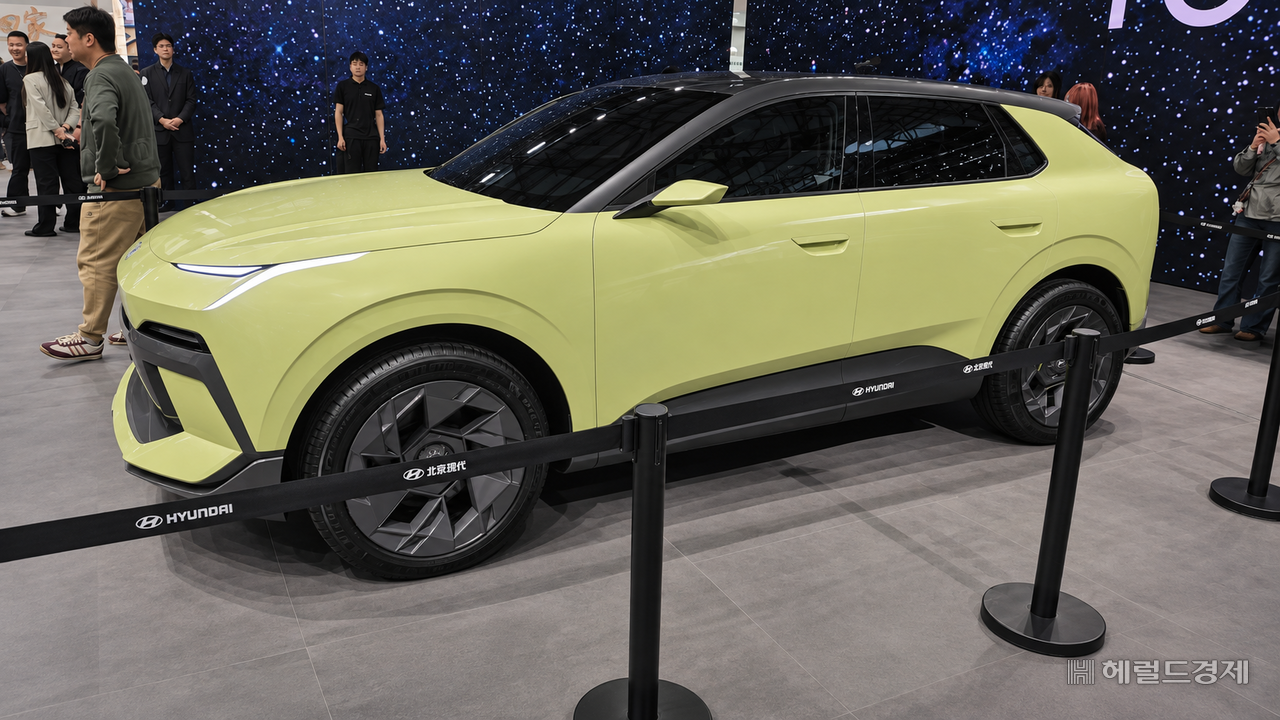
Hyundai Motor also plans to expand its Ioniq brand lineup in China. Wu said the company intends to grow the Ioniq range to six models built on two platforms over the next three years — offering the Ioniq V, Ioniq M and the Earth Concept production model each in both battery electric vehicle (BEV) and extended-range electric vehicle (EREV) variants. The Ioniq M and an EREV version of the Ioniq V are set to launch next year, followed by the Earth Concept production model in 2028 and two additional electrified models in 2029.
The company is also pursuing plans to bring China-developed vehicles to overseas markets. Where it once focused on supplying China with vehicles developed for the global market, Hyundai Motor now aims to leverage the technologies and R&D capabilities built up in China to compete in markets worldwide.
Wu said the new Ioniq models "will not only raise brand value within China but also play a role in expanding exports," adding that "vehicles born from local R&D in China will be brought to world markets with Hyundai Motor's global development and verification standards applied."
Wu also stressed sustainable growth, saying the company "must embrace the changes that AI technology will bring while upholding our corporate social responsibility and brand values."
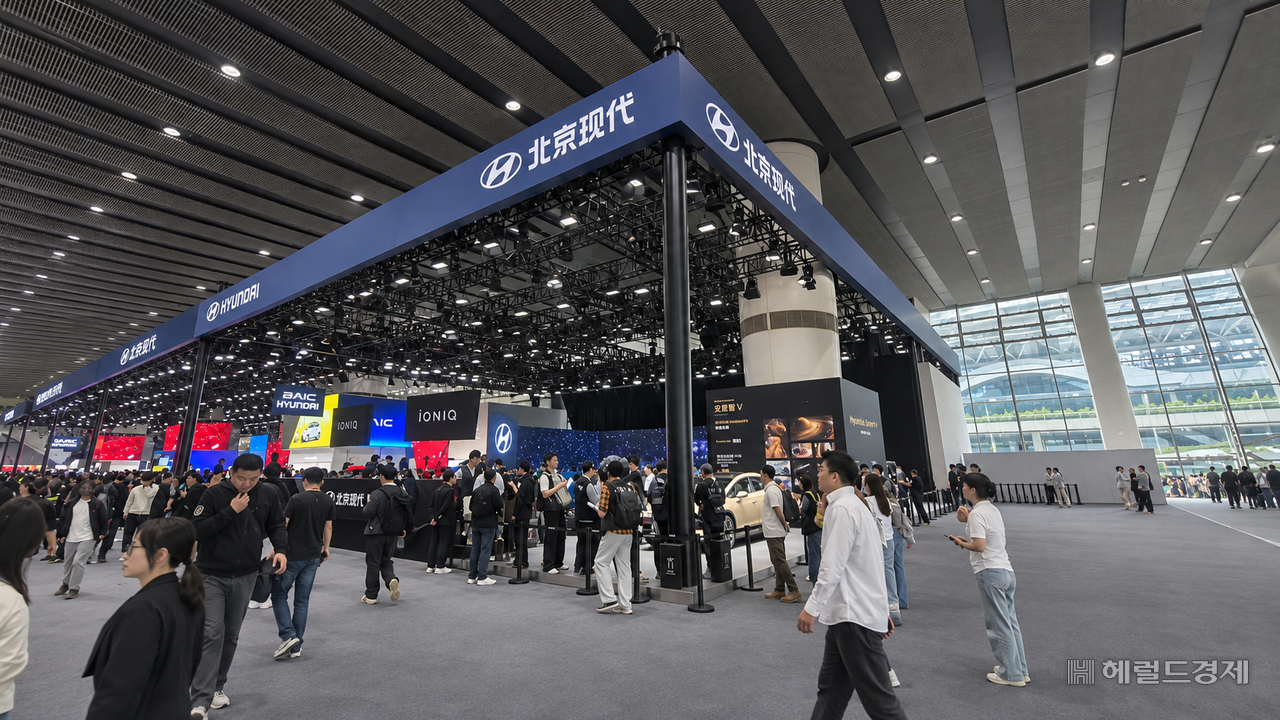
Meanwhile, Hyundai Motor set up a 910-square-meter exhibition hall at this year's Guangzhou Motor Show, displaying a total of 10 models — 12 vehicles in all — including the Mercury Concept, Ioniq V, Earth Concept, Palisade Hybrid, Ioniq 5 N and Avante N. Separate exhibition spaces were also dedicated to showcasing CATL's battery technology and driver-assistance technologies from Momenta and ZYT.
kwater@heraldcorp.com





