
34.9% of buyers in Gangnam's three districts sold shares or bonds to fund home purchases
Per-person average of 640 million won was 2.4 times the Seoul-wide figure
Rising stock market accelerated shift of financial assets into real estate
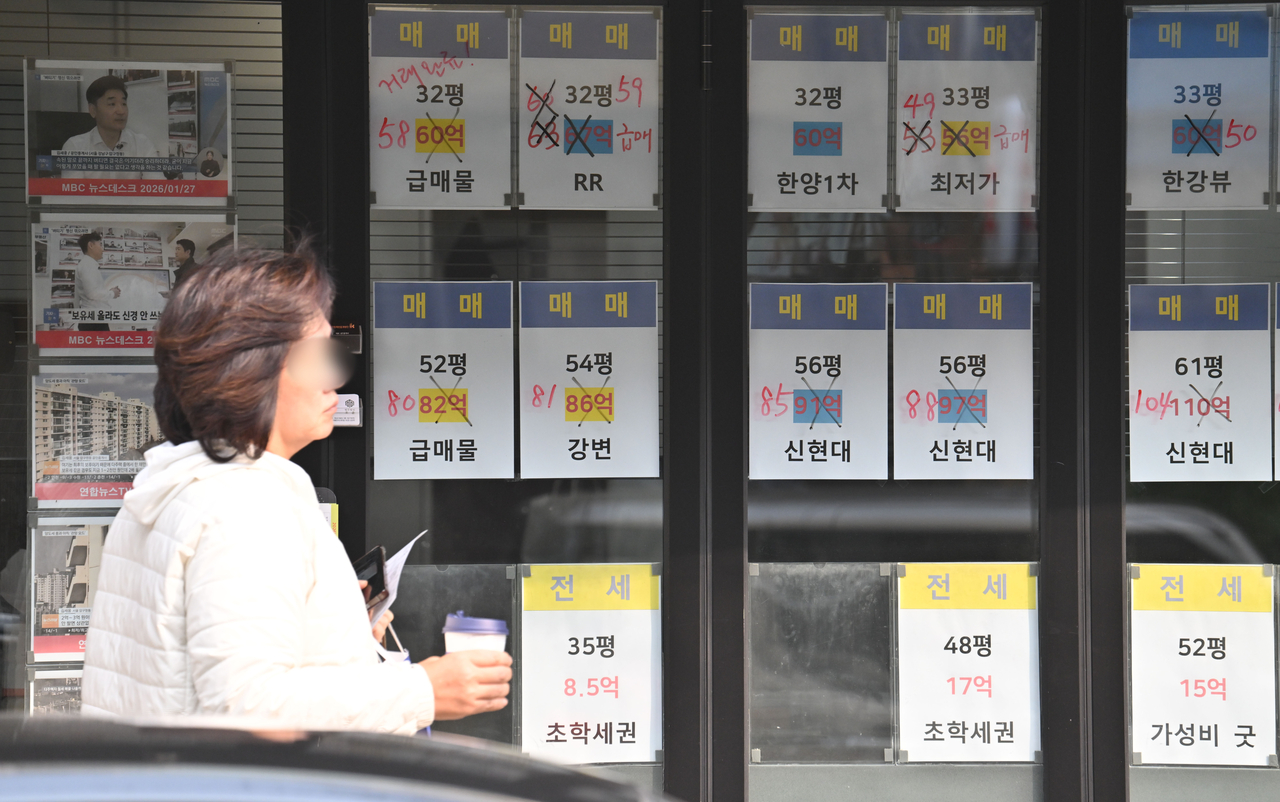
As South Korea's stock market surged this year, wealthy investors cashed out their shareholdings and channeled the proceeds into homes in Seoul's three Gangnam districts. Buyers in Gangnam-gu, Seocho-gu and Songpa-gu reported selling an average of 640 million won ($477,000) worth of stocks and bonds per person to fund their purchases — more than double the Seoul-wide average. The trend points to a pronounced "money move" effect, in which financial assets swollen by a bull market migrate into high-end real estate.
People Power Party lawmaker Jeong Hee-yong released an analysis Friday of "2025–2026 fund-sourcing plans" submitted to the Ministry of Land, Infrastructure and Transport, which found that buyers completed a total of 12,102 home purchases in the three Gangnam districts between January and October this year. Of those, 4,223 transactions — 34.9 percent — listed proceeds from stock or bond sales as a source of funding.
That share was up 12.7 percentage points from 22.2 percent in the same period last year. Analysts attributed the jump to the Kospi repeatedly setting all-time highs this year, prompting more buyers to liquidate holdings before purchasing homes. In the three Gangnam districts, roughly one in three buyers used stock sales to help finance a purchase.
The scale of those sales also grew sharply. Buyers in the three districts reported a combined 2.7 trillion won in stock and bond proceeds applied toward home purchases, with a per-person average of about 640 million won — a 65.3 percent increase from the 387 million won average in the same period last year. The figures suggest buyers were not merely supplementing their savings with a modest stock sale but were moving substantial financial assets into property.
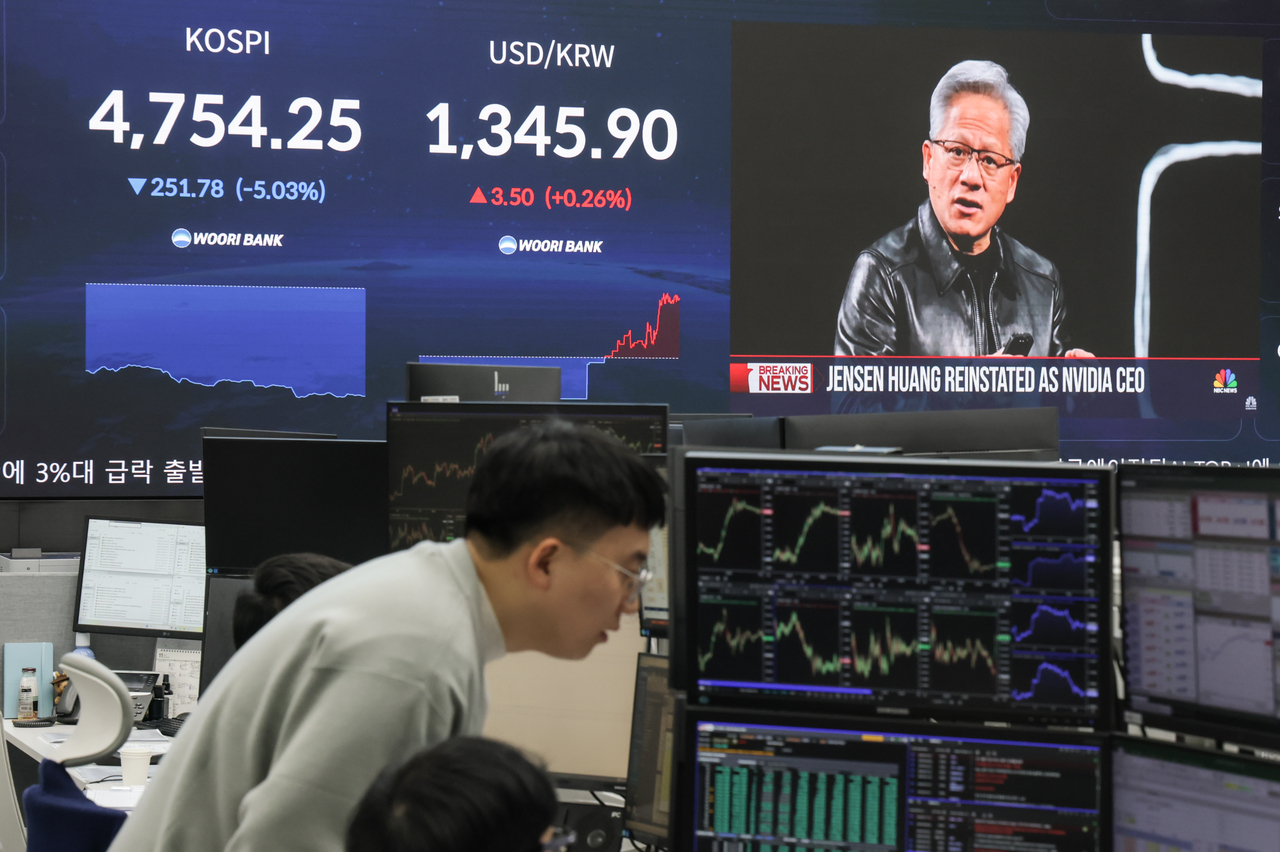
The gap between Gangnam buyers and the broader Seoul market was equally striking. Across the capital, 22,934 transactions this year involved stock or bond sales to fund a home purchase, with total proceeds of 6.24 trillion won — an average of about 270 million won per person, less than half the Gangnam figure. Analysts said the disparity reflects the deeper financial firepower of buyers concentrated in the city's most expensive neighborhoods.
Among the three districts, Gangnam-gu recorded the highest share of buyers using stock or bond sales: 1,235 of 3,175 transactions, or 38.9 percent, listed such proceeds in their fund-sourcing plans. Seocho-gu followed at 36.6 percent, while Songpa-gu stood at 17.3 percent.
Per-person average proceeds were also highest in Gangnam-gu at 821 million won, followed by Seocho-gu at 793 million won and Songpa-gu at 437 million won. In Gangnam-gu and Seocho-gu, stock sales alone provided buyers with an average of around 800 million won toward a home purchase.
By contrast, gifts and inheritances played a comparatively modest role. Of the 12,102 purchases in the three districts, 3,766 — about 31 percent — cited gifts or inheritances as a funding source. The per-person average for such transfers was 378 million won, up just 30 million won from 348 million won in the same period last year.
An anonymous wealth management expert said the data showed a clear pattern of buyers deploying financial assets built up during the stock market rally to fund home purchases. "In the three Gangnam districts, both the scale and the share of funding raised through stock sales expanded further," the expert said.
hss@heraldcorp.com





