
Rutte seen trying to placate Trump, who is pressing for concrete measures within days; cooperation from South Korea, Japan also needed, secretary general says
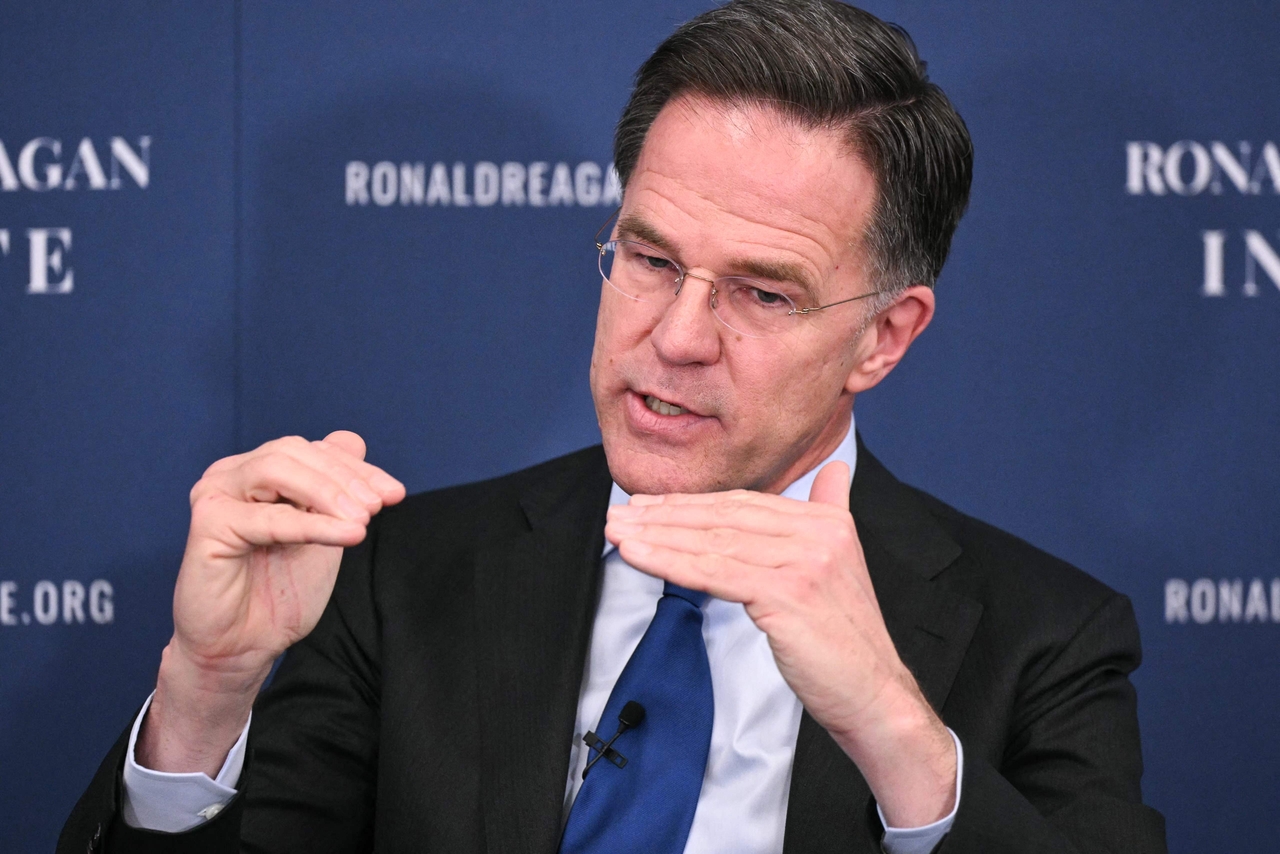
NATO Secretary General Mark Rutte said Wednesday that the alliance could play a role in securing safe passage through the Strait of Hormuz, but stressed that any action must be taken step by step. The remarks appeared to reflect an effort to ease the burden on European members while stopping short of rejecting Donald Trump's demands outright.
Speaking at a Ronald Reagan Foundation event in Washington during a visit to the United States, Rutte said, "If NATO can help, there is no reason not to," but added that the process "has to be step by step," reminding the audience that any such move would require the consent of member states.
He pointed to a recent meeting of military chiefs from more than 30 countries to discuss safe passage through the strait, calling it "the first step."
Rutte also said that while some NATO members were initially slow to back the United States at the outset of the Iran war, they are now doing everything Trump has asked. "Some allies were a little slow, but to be fair, they were a little surprised," he said, suggesting Trump had not informed allies of the military operation against Iran in advance — a deliberate move to preserve the element of surprise.
"But now the allies are providing massive support," he went on to say. "Almost without exception, allies are doing everything the United States is asking. They are responding to President Trump's requests."
The remarks were widely seen as an attempt to placate Trump by highlighting how much NATO members are already contributing.
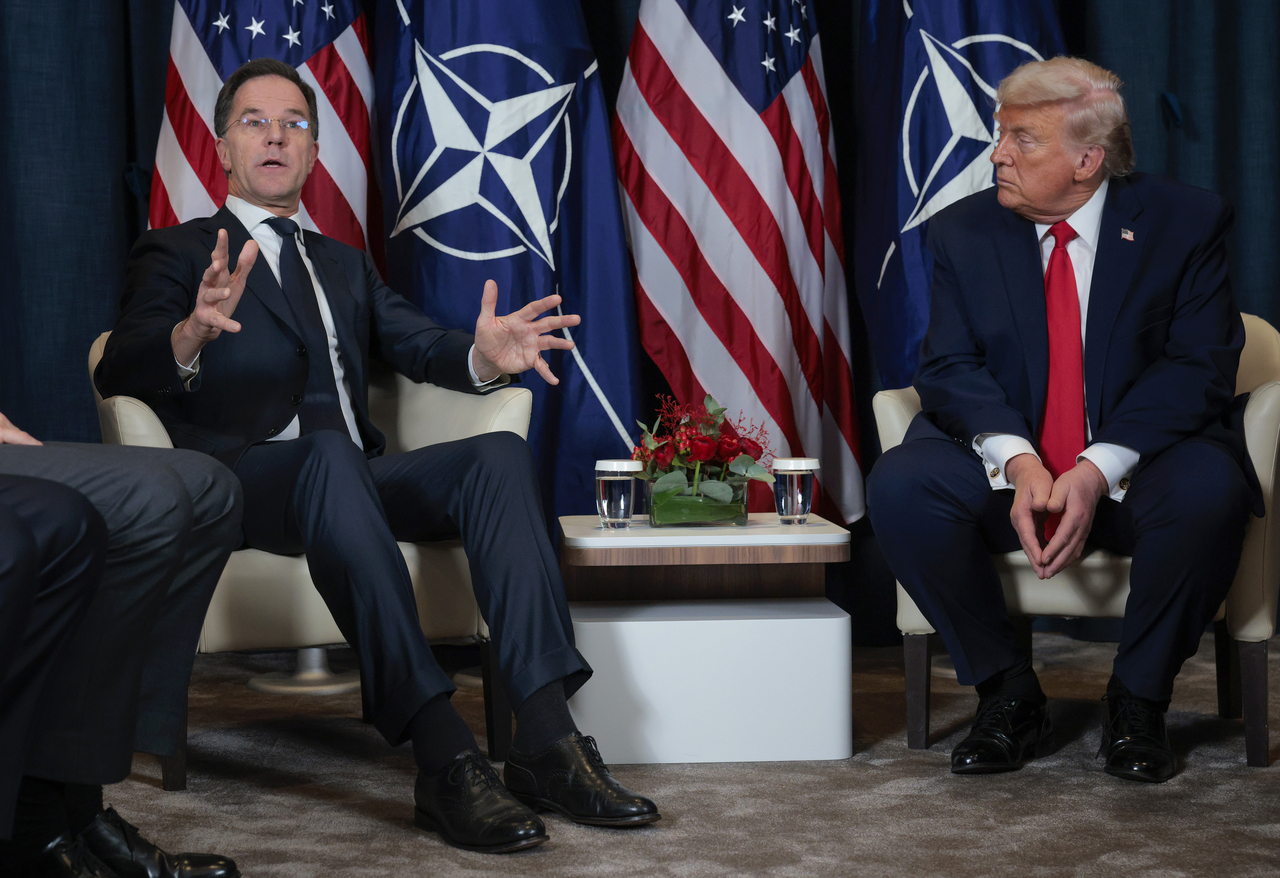
Rutte met with Trump at the White House the previous day. Reuters reported that Trump is pressing Europe to announce concrete measures on securing Strait of Hormuz passage within days.
The Trump administration is also weighing a form of retaliatory action — potentially redeploying US troops stationed in Europe — based on whether NATO members cooperate with the Iran war effort.
At the event, Rutte acknowledged that Trump wants to secure the opening of the Strait of Hormuz as quickly as possible. "This is what alliances are for," he said. "This is not just about NATO members — it includes Japan, South Korea, Australia and others. But of course the majority of countries are NATO members." The comment amounted to an acknowledgment that NATO members must play a central role while also calling for cooperation from South Korea, Japan and others.
Rutte also said cooperation among NATO, Japan, South Korea, Australia and New Zealand is needed given that North Korea, China and Russia are working alongside Iran.
He said preventing Iran from acquiring nuclear weapons has long been NATO's position, and cited North Korea as a cautionary example of what happens when negotiations drag on too long and a country ends up with nuclear capabilities.
Rutte has long pursued a strategy of accommodating Trump's demands — on defense spending and other fronts — but analysts say he now faces his most difficult test yet. Politico reported that even as Rutte has sought to appease Washington, Trump's demands have not eased, fueling anti-American sentiment across Europe and growing skepticism about whether Rutte's approach can hold.
yckim6452@heraldcorp.com





