
Capital flows in as Korean seaweed conquers global palates
From traditional food processing to high-value investment target
Sungkyung, Manjeon and Haenong fuel seaweed M&A frenzy
By Ahn Hyo-jung, The Herald Business
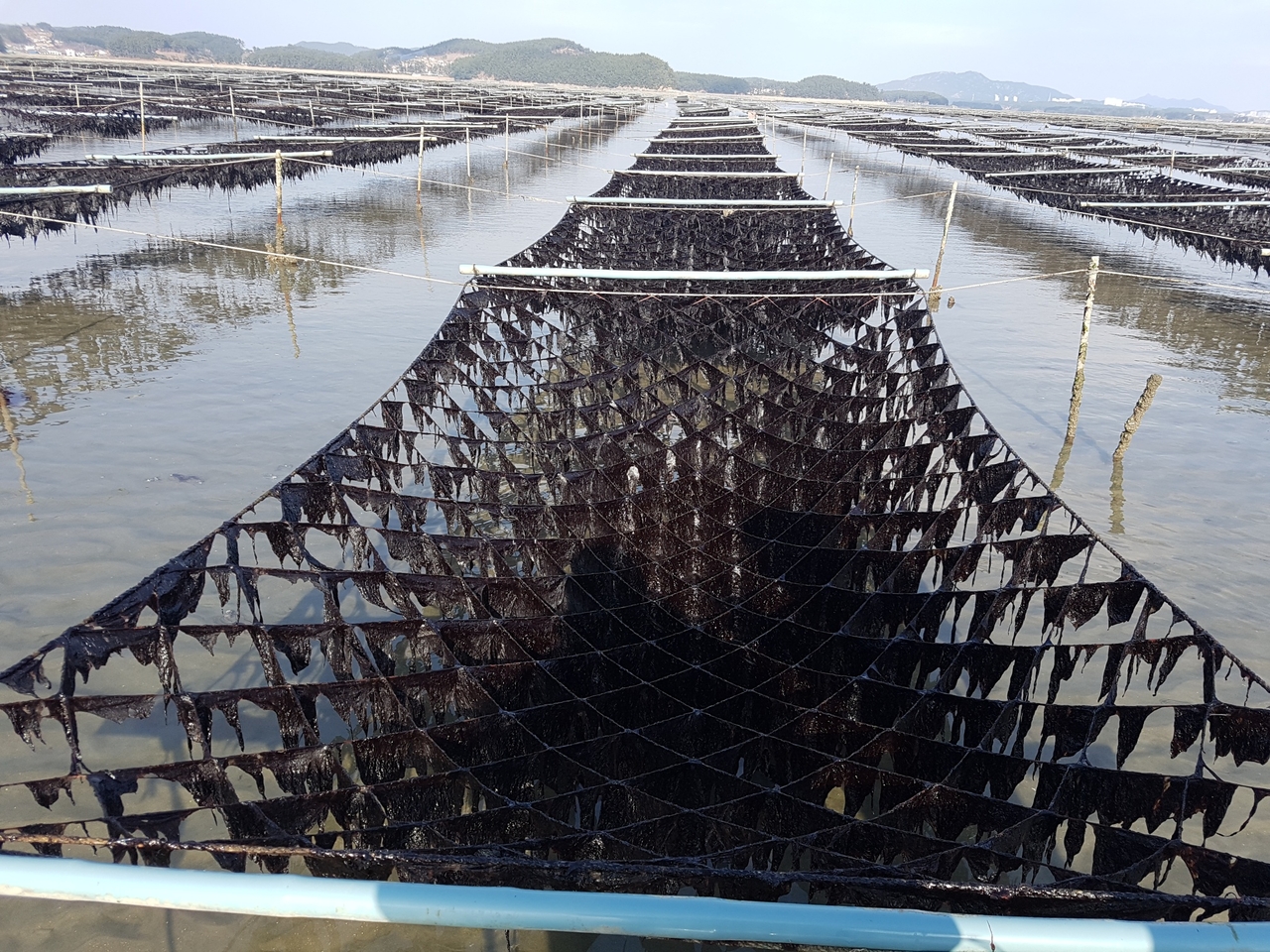
Gim — the dried seaweed long relegated to a supporting role on the Korean dinner table — is emerging as a star of global capital markets. Once little more than a banchan, or side dish, wrapped around a spoonful of rice, it has evolved into a low-calorie, high-protein "black snack" that commands worldwide attention. Holding roughly 70 percent of the global market and earning the nickname "black semiconductor," the gim industry has become a coveted target for major private equity funds. What was once a cottage industry of small family operations is being reshaped into a high-value export sector — and dealmakers are taking notice.
A traditional food's unlikely reinvention
The gim industry was long invisible to investment bankers. Its roots in small-scale, family-run processing — harvesting raw seaweed and roasting it by hand — meant low margins and little room for the logic of capital markets to take hold. Most producers were regionally anchored, family-managed businesses with limited appeal to outside investors.
That changed as market leaders such as Gwangcheon Gim and Sungkyung Food began to emerge. Once these companies built large-scale production facilities and started generating meaningful results in overseas markets, private equity funds began running the numbers.
The investment thesis was straightforward: take a company that already commands strong brand recognition and market share, pair it with a private equity fund's governance expertise and capital, and build it into a global player. That value-creation scenario has driven the wave of deals now reshaping the industry.
How 'Jidopyo Sungkyung Gim' went global
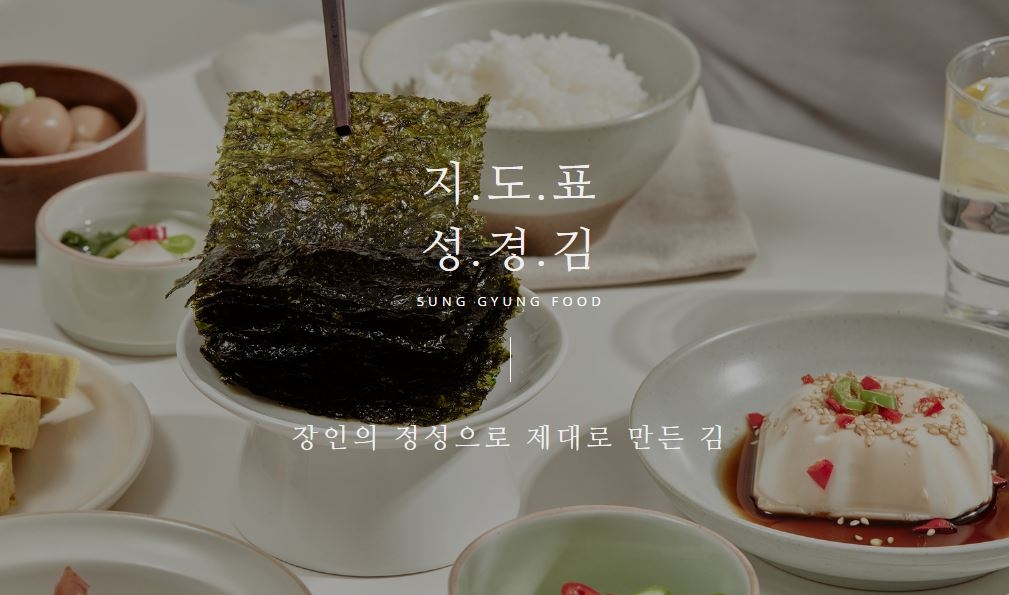
The most prominent example is the acquisition of Sungkyung Food. Founded in 1981 at a traditional market in Daejeon, Sungkyung was a classic family business. It had built a loyal customer base and strong brand recognition for its "Jidopyo Sungkyung Gim" line through a nationwide sales network rooted in the Chungcheong region — but a health crisis among key executives forced a turning point. In late 2017, Affirma Capital acquired the company for approximately 150 billion won ($101 million), bringing it under private equity management.
Affirma moved quickly to streamline production. It grafted a smart-factory system onto existing facilities, achieving both consistent quality and lower manufacturing costs. "Each sheet of gim has to meet a uniform standard of thickness and crispness to be commercially viable, so precise control over the production line is essential," an industry official said. "Sungkyung minimized raw material loss through smart equipment, and the result was a structural improvement — higher productivity and a lower cost ratio."
A broader distribution strategy followed. The company expanded beyond its traditional base of small and mid-sized regional supermarkets into hypermarkets, convenience stores and e-commerce channels. The most consequential move was a push into global markets: Sungkyung developed product lines tailored to local tastes in North America and China, aggressively drove exports and sharply increased the share of overseas sales — a pivotal step in its transformation into a globally scalable company.
The successful value creation translated into a strong exit. Affirma Capital sold Sungkyung Food last year to Samchully Group, an energy company, recouping roughly twice its original investment over approximately eight years. The return included not only the sale price from Samchully but also dividends accumulated over the holding period and proceeds from the separate sale of Gami Food, a bolt-on acquisition made during the investment.
Global PE funds eye premium seaweed maker Manjeon
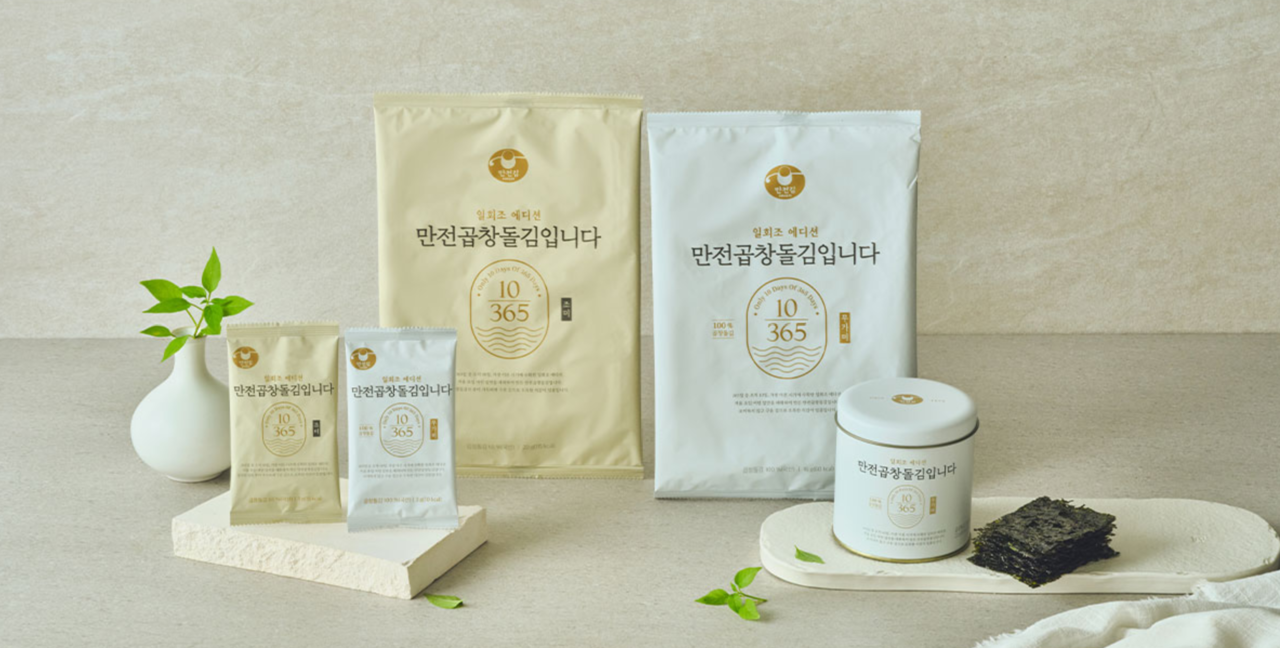
The M&A momentum ignited by Sungkyung Food appears to be spreading to the next wave of assets on the market, including Manjeon Food and Haenong.
The deal drawing the most attention right now is the sale of Manjeon Food, held by Kamuir Private Equity. Global private equity funds have joined the process as potential buyers, raising expectations for a competitive auction. The asking price is reported to be around 200 billion won ($135 million).
Kamuir PE acquired Manjeon Food in 2021 for approximately 100 billion won ($67.6 million) and is credited with executing two strategies successfully under its ownership: premiumization and global expansion. Rather than competing in the crowded low-price retail channel, Kamuir focused on premium outlets such as department stores while also securing supply agreements with major global retail chains including Walmart in the United States.
The results show up in the numbers. According to the Financial Supervisory Service's DART system, Manjeon Food's sales climbed from approximately 61.8 billion won ($41.8 million) in 2022 to approximately 89.1 billion won ($60.2 million) in 2025. Over the same period, operating profit jumped roughly 2.5 times — from approximately 5.9 billion won ($3.99 million) to approximately 14.9 billion won ($10.1 million).
Haenong and the B2B value-creation playbook
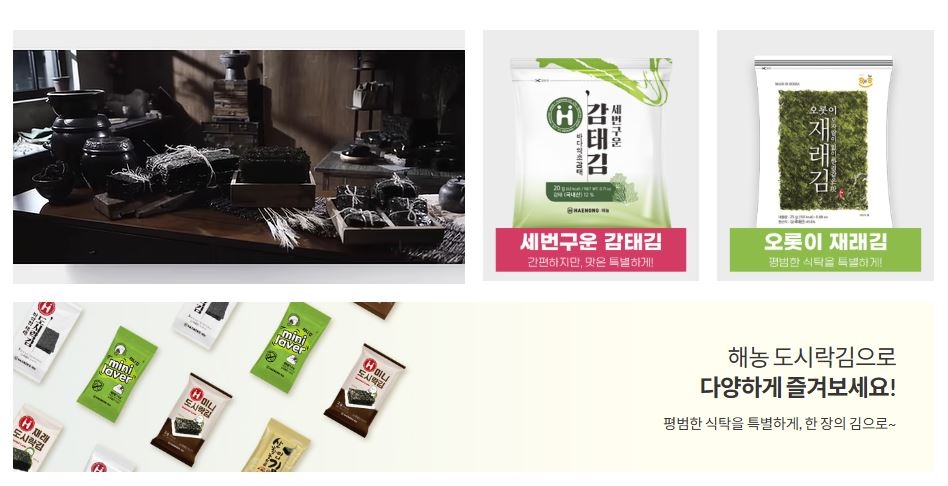
The moves at Haenong, backed by UCK Partners, are also drawing close attention. In February, UCK Partners agreed to acquire a 49.9 percent stake in Haenong from Gravity Private Equity and Otium Capital, becoming the company's second-largest shareholder. Haenong had already built up its production capacity through large-scale facility investment from Gravity PE and Otium Capital, and the partnership with UCK Partners sets the stage for another round of growth.
Within the gim industry, Haenong is recognized as a dominant force in the business-to-business market. Rather than building a consumer-facing brand, the company has focused on supplying major domestic food-service franchise chains and large food ingredient distribution networks.
The market is watching closely to see what Haenong does next. "The key question is what kind of synergy emerges when UCK Partners' value-creation capabilities — demonstrated through past investments in F&B companies like Gong Cha, which it built into a global brand — meet Haenong's supply chain," an industry official said. "Whether Haenong can leverage its B2B network to become a global food ingredient solutions company will be the defining variable in its future valuation."
A wellness snack for the world: gim exports cross the $1 billion mark
The surge of private equity interest in the gim industry reflects a fundamental shift in how the underlying asset is valued in global markets. Gim is no longer classified as an ordinary food ingredient — it has been redefined as a promising asset within the global health snack sector. What was once considered a simple Korean side dish is now categorized in Western markets as a low-calorie, gluten-free snack, and its status has risen accordingly.
At the center of that shift is the "clean label" trend — a growing consumer preference for foods that minimize additives and maximize the nutritional value of raw ingredients. Gim has become recognized as a superfood rich in plant-based protein and minerals while remaining low in calories, placing it squarely in line with global consumption trends.
As overseas vegan consumers seek alternatives to animal protein, gim has emerged as an ideal option — and sales and export figures have followed a steep upward curve. Last year, gim crossed the $1 billion mark in annual exports for the first time, equivalent to approximately 1.5 trillion won ($1.01 billion), cementing its place as the leading contributor to K-food export growth.
Riding streaming and e-commerce to the world
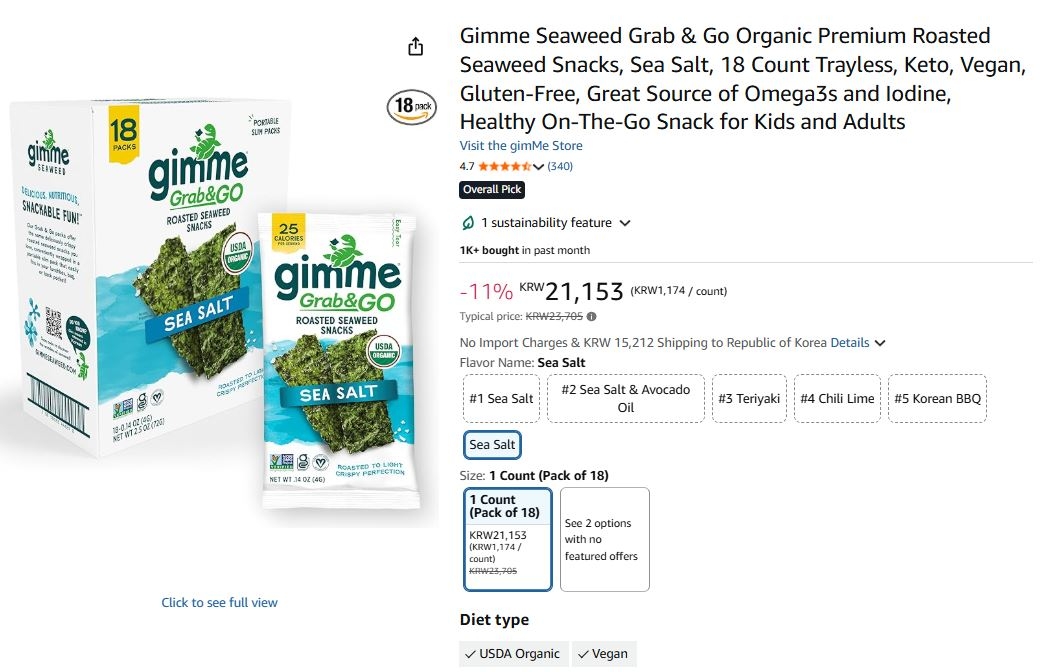
The pandemic also accelerated the industry's rise. As in-home dining surged in North America following COVID-19 and demand for meal kits grew, global e-commerce platforms — Amazon chief among them — became a new battleground for gim distribution. The export structure, which had long depended on shelf space in hypermarkets, diversified as online household orders multiplied.
The Korea Maritime Institute noted in a 2022 report on expanding Korean gim products in the US online market that analysis of consumer responses on Amazon revealed two clear trends: demand for seasoned gim rose as pandemic-driven appetite for processed foods increased, and demand for dried gim grew as in-home dining became more common.
The spread of K-culture added a powerful marketing catalyst. Scenes of characters eating gim in Netflix and other streaming content generated organic "cultural product placement" effects without the need for large advertising budgets. Capital markets identified in this dynamic a compelling combination — low customer acquisition costs against strong brand scalability — and began reassessing the investment appeal of the gim industry accordingly.
Korea's 70% global share: a 'black asset' that weathers economic cycles

Another factor drawing investment bankers to the gim industry is the scarcity of its supply chain. Raw gim can only be cultivated in a handful of coastal zones worldwide — primarily in Korea, China and Japan. Korea alone accounts for roughly 70 percent of the global gim market, an overwhelming position. As climate change shrinks viable aquaculture zones around the world, the scarcity value of Korean gim companies — which have secured stable raw material supply networks and processing infrastructure — is only growing.
Korean gim also holds a clear product advantage over its competitors. Japanese gim is consumed mostly domestically, tends to have a tougher texture and commands a high price. Chinese gim suffers from inconsistent quality due to processing technology limitations. Korean gim, by contrast, is prized for its soft texture and rich aroma, making it widely regarded as the best-suited variety for processing into snacks for global markets.
Taken together, Korea's dominant supply position and product quality give Korean gim companies strong pricing power. With global demand surging but supply sources limited, a supplier's market has taken hold — and with it, a demonstrated ability to generate stable cash flows regardless of broader economic conditions.
There are risks, however. Rising volatility in raw seaweed prices, driven by climate change and warming ocean temperatures, is increasing cost pressures on processors. "Even for companies with a secure supply chain, the ability to control cost volatility and defend profitability is critical," a private equity industry official said. "That's why private equity funds are expanding their focus upstream — building out direct production facilities such as dried gim factories, investing in smart aquaculture and pursuing vertical integration of raw material supply — all as a cost management strategy."
an@heraldcorp.com





