This year's already punishing summer heat is set to be amplified by a global phenomenon — one that analysts warn could make the season longer and more intense than ever.
After a spring warmer than any in recent memory, South Korea has entered the height of summer. Each year the heat grows more severe, and residents are bracing accordingly.
Now, analysts say a global phenomenon is emerging that could make an already brutal summer even worse.
That phenomenon is El Niño — in simple terms, a weather pattern in which heat stored in the ocean is released into the atmosphere, driving up temperatures and triggering abnormal weather around the world.
The phenomenon is likely to persist through at least November, forecasters say.
This summer could bring heat waves more powerful and persistent than anything seen before, along with unpredictable heavy rainfall and other extreme weather events.
In particular, some extreme projections suggest that spring and autumn weather could effectively disappear, leaving South Korea running air conditioners for nearly the entire year.
The World Meteorological Organization, a UN agency, announced an 80 percent probability of a global El Niño event developing between June and August this year and said the phenomenon is expected to trigger extreme weather events worldwide.
El Niño occurs when the ocean releases more heat into the atmosphere than usual. Normally, warm water is concentrated in certain regions, but during an El Niño event it spreads across a much wider area. The pattern occurs naturally every two to seven years and is one of the most powerful drivers of rising global temperatures.
Similar assessments are mounting. The US National Oceanic and Atmospheric Administration put the probability of El Niño developing between May and July this year at 82 percent, and the probability of it continuing through winter at 92 percent. The likelihood of a very strong El Niño event between October and December is also assessed as high.
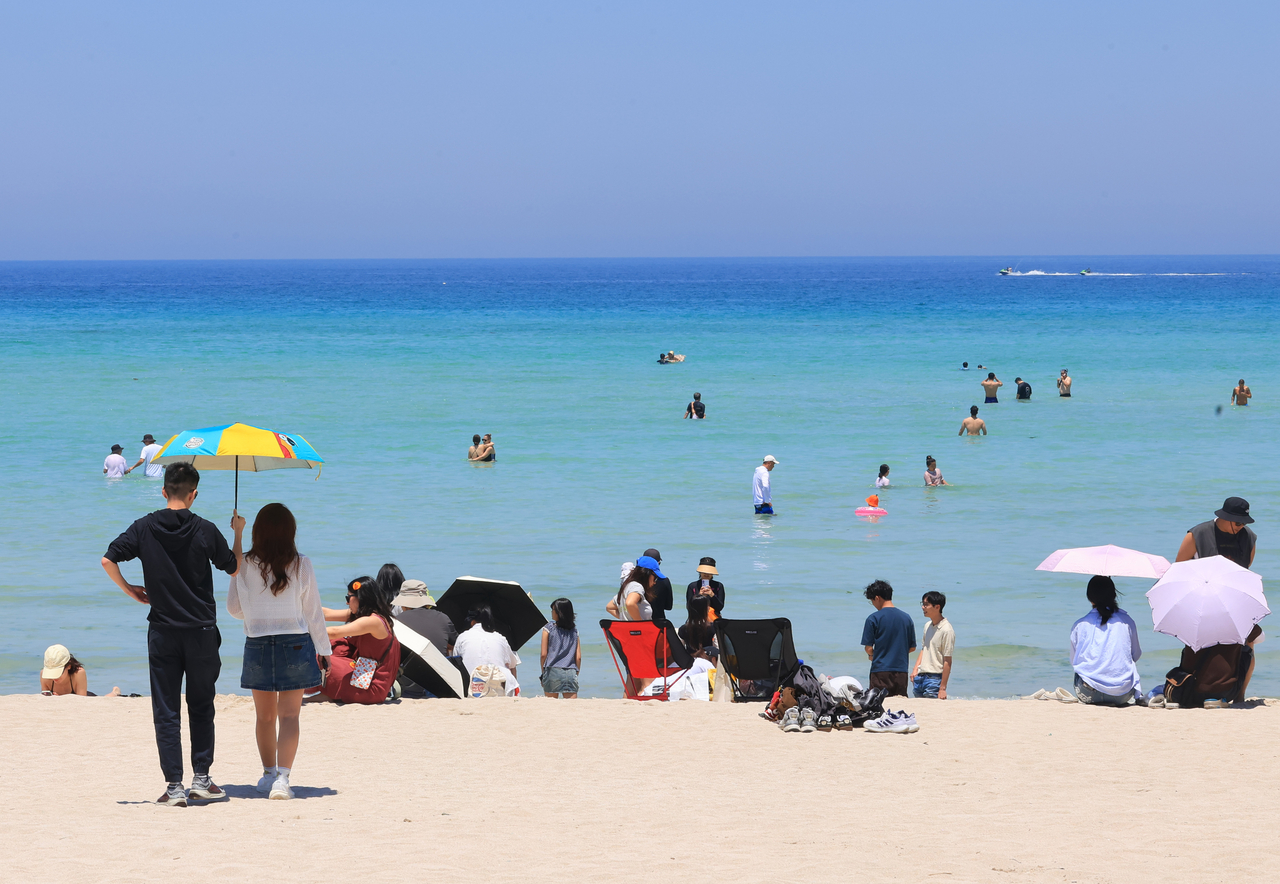
South Korea's summer is expected to be especially hot as a result. The Korea Meteorological Administration, in its June–August 2026 seasonal outlook released in May, forecast that this summer would be warmer than average. Sea surface temperatures affecting the Korean Peninsula during summer are running above normal levels.
The probability of June average temperatures exceeding the historical norm is 60 percent, with a 30 percent chance of near-normal temperatures. July also carries a 60 percent probability of above-average heat, while August stands at 50 percent. Sea surface temperatures in the tropical central and eastern Pacific are expected to rise gradually through the summer, increasing the likelihood of a transition to El Niño conditions.
The WMO assessed a 90 percent probability that the El Niño event will persist through at least November. A prolonged El Niño does not guarantee heat waves, but it does raise the likelihood of temperatures staying above average for an extended period.
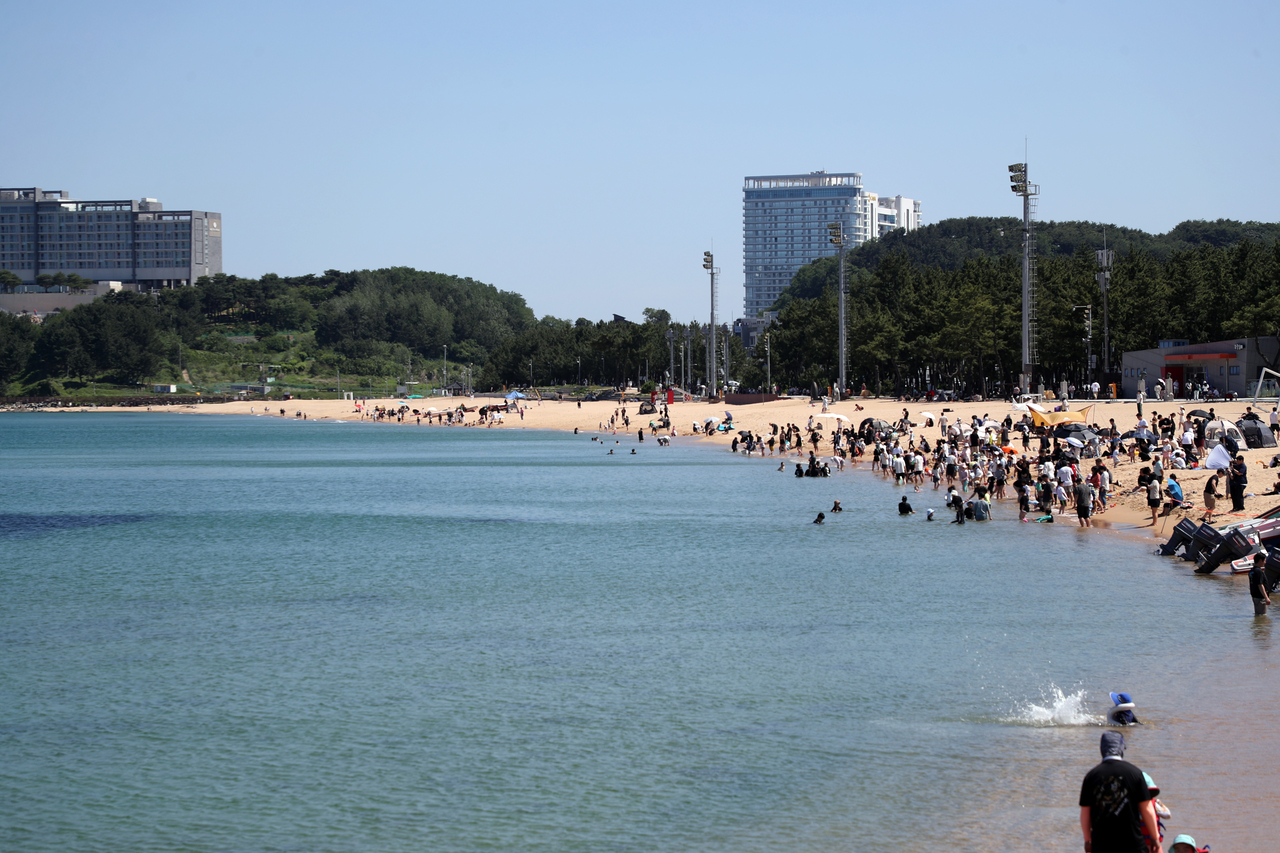
As ocean temperatures rise, the air warms and more water vapor evaporates. That heat and moisture alter atmospheric circulation in ways that tend to push global temperatures higher. For South Korea, the concern is that air and sea temperatures that should cool as autumn approaches may fail to do so, prolonging the summer heat well into the fall.
South Korea's summers have already been growing longer. Heat waves and tropical nights in October are no longer unusual — last year, tropical night conditions were recorded in parts of the country even in that month.
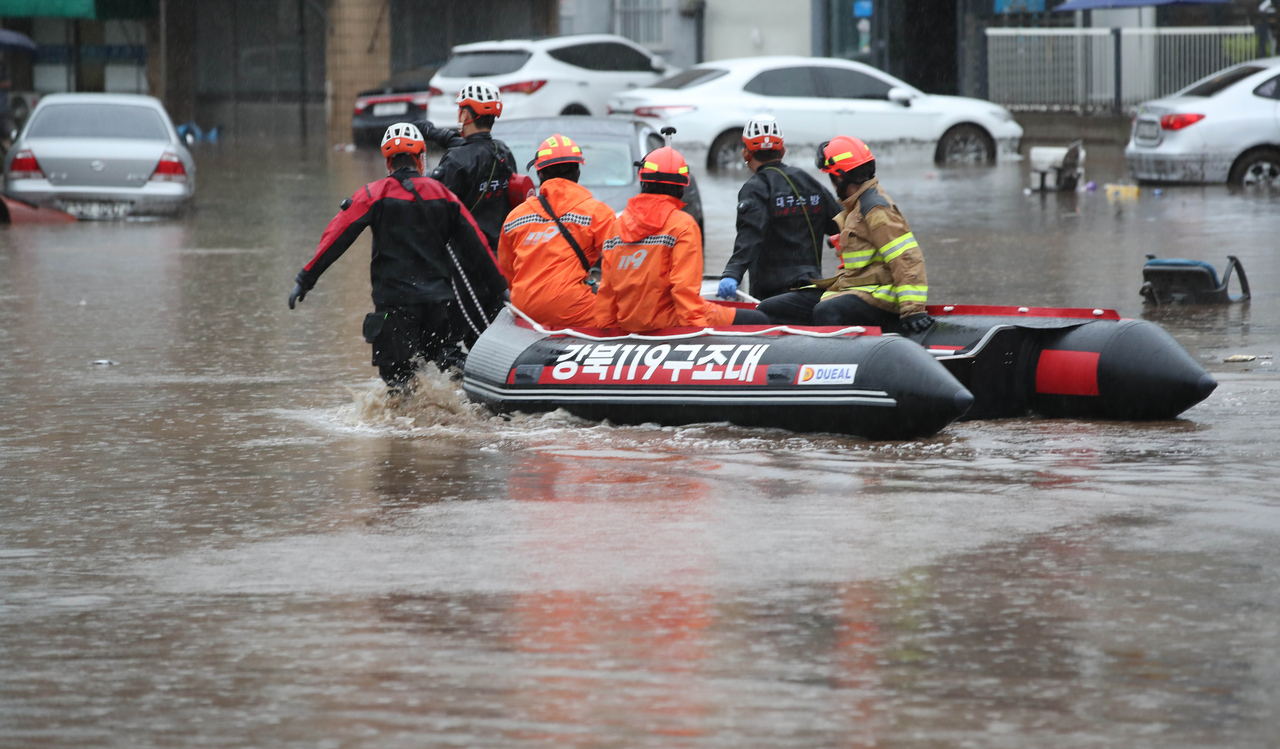
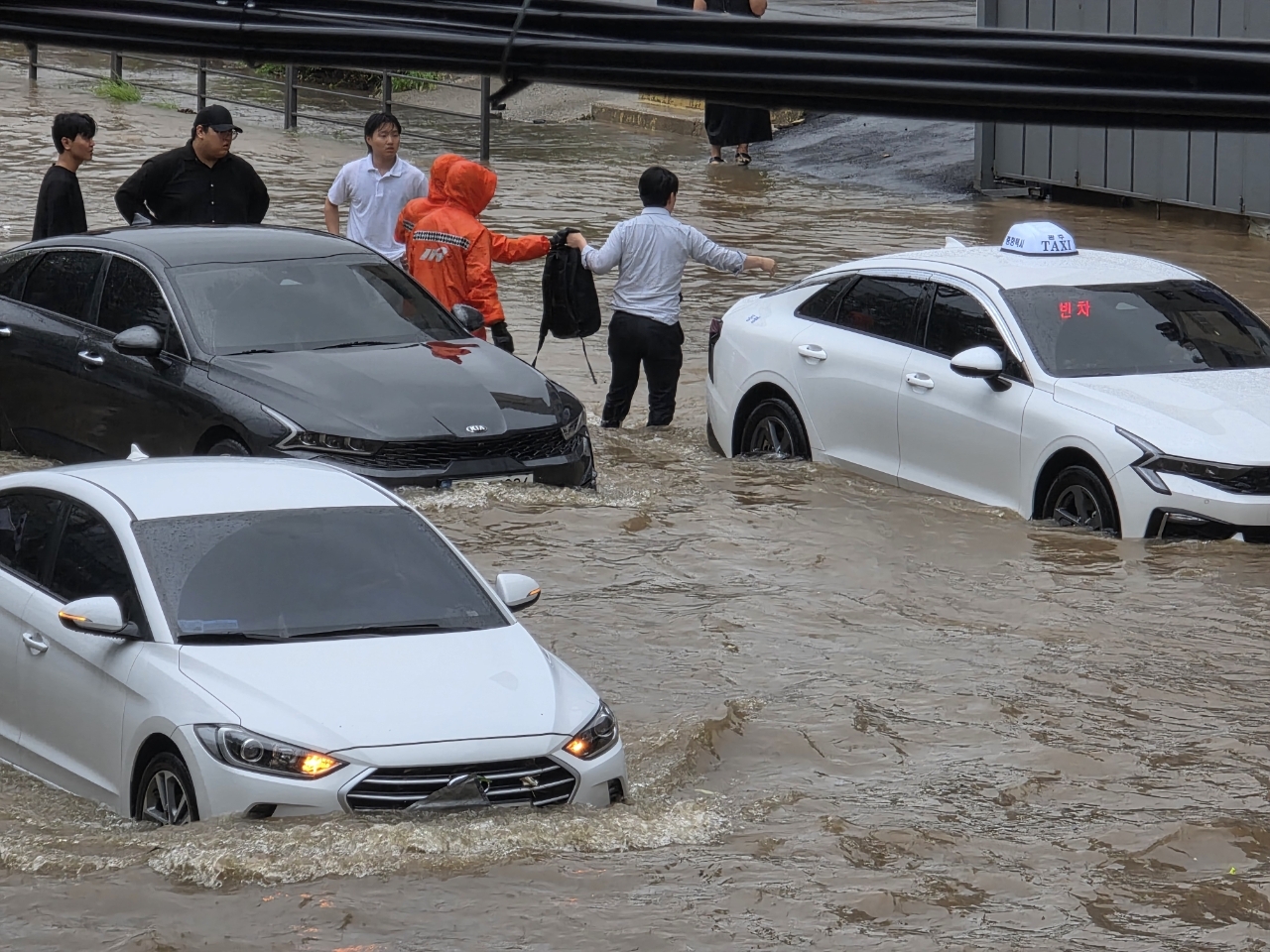
Perhaps the most pressing concern alongside the heat is heavy rain. As more water vapor rises from warmer seas, localized torrential downpours — intense bursts of rain concentrated in small areas over short periods — could become more frequent and severe. If El Niño persists, analysts warn it could trigger not only summer extremes but also unseasonably warm spells and unpredictable cold snaps in winter.
The WMO has also warned that the convergence of climate change and El Niño could make 2027 the hottest year on record. The current record holder is 2024, the year of the last El Niño event.
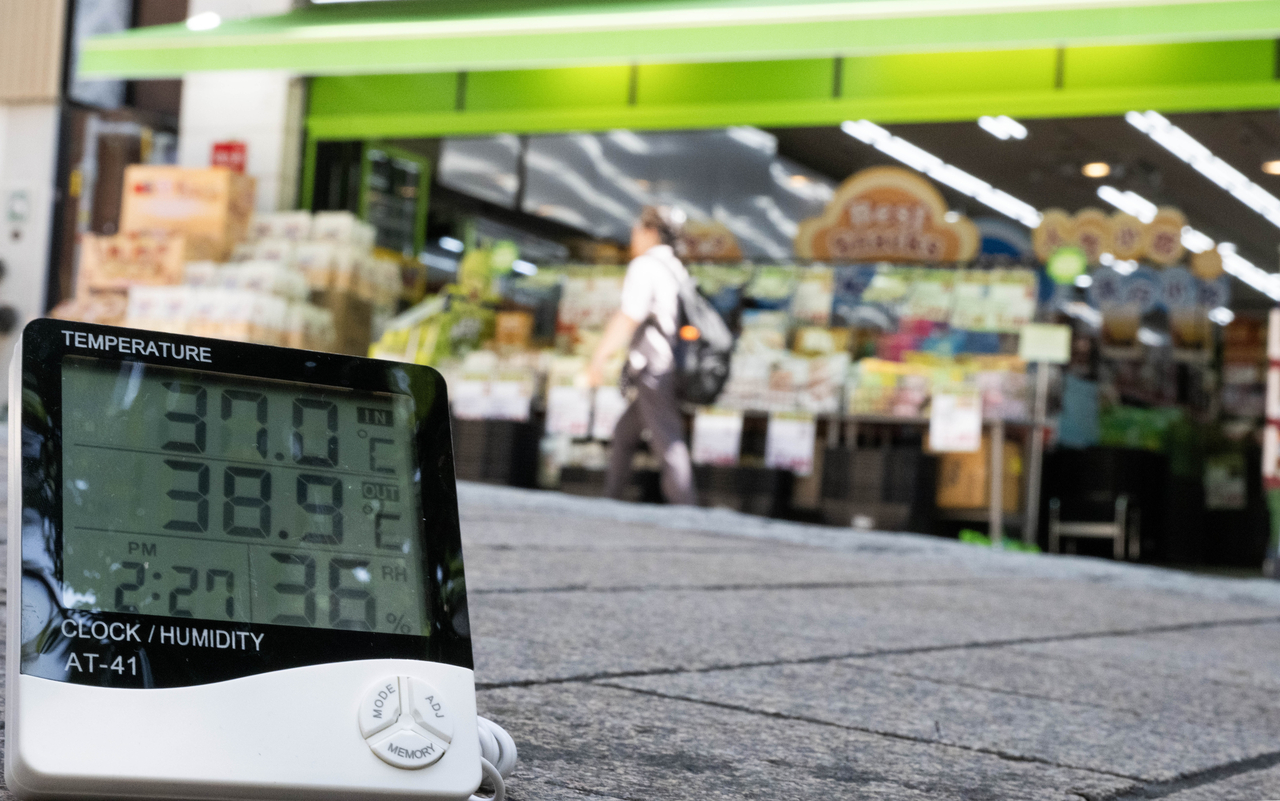
Some analysts warn that extreme weather driven by El Niño could become increasingly routine as the effects of climate change accelerate. This year and next, they say, may offer a preview of what ordinary climate conditions will look like in the future.
Meanwhile, South Korea's Climate Change Impact Map, published by the Korea Meteorological Administration, projects that if greenhouse gas emissions continue at roughly current levels, summer in the latter half of this century could begin as early as April 25 and last through October — nearly six months of the year.
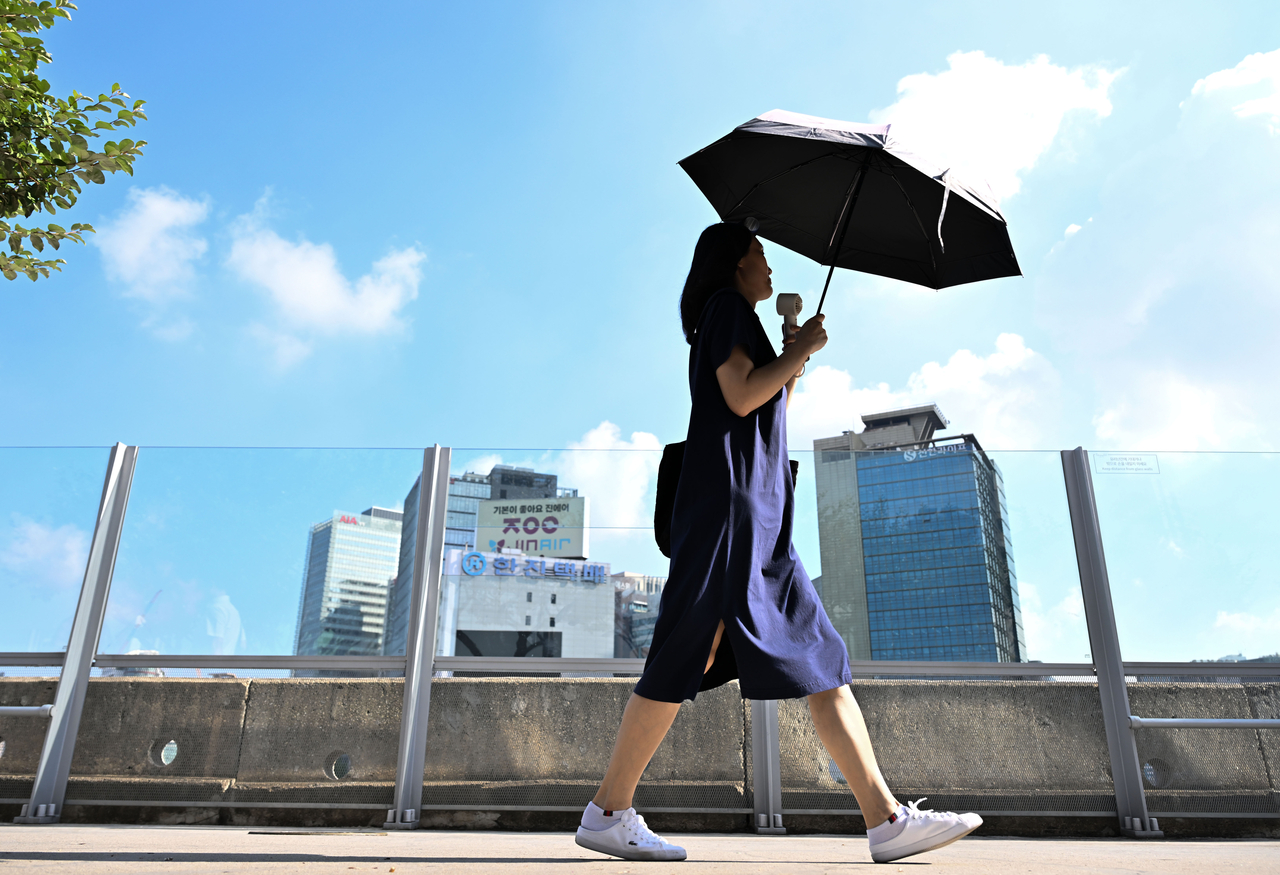
The number of extreme heat days is projected to reach 103.8 per year by the 2080s and 115.6 by the 2090s. The daily maximum temperature, currently averaging 35.9 degrees Celsius, is expected to climb to 43.8 degrees by the latter half of the century — a rise of roughly 7.9 degrees. That would mean extreme heat occurring roughly one day in three.
UN Secretary-General Antonio Guterres, responding to the WMO findings, said extreme weather events are already occurring beyond El Niño alone and that ever-greater investment is needed to prepare for them. "Seasonal forecasts and early warnings are critical to saving lives and reducing the impact on economies and communities," he said.

woo@heraldcorp.com