'New Sinimun Station first priority … I will accelerate change in Dongdaemun'
Transport, cultural and lifestyle infrastructure to keep pace with redevelopment
'Youth economic ecosystem' to link universities with the local community
'I will deliver change and results that residents can feel'
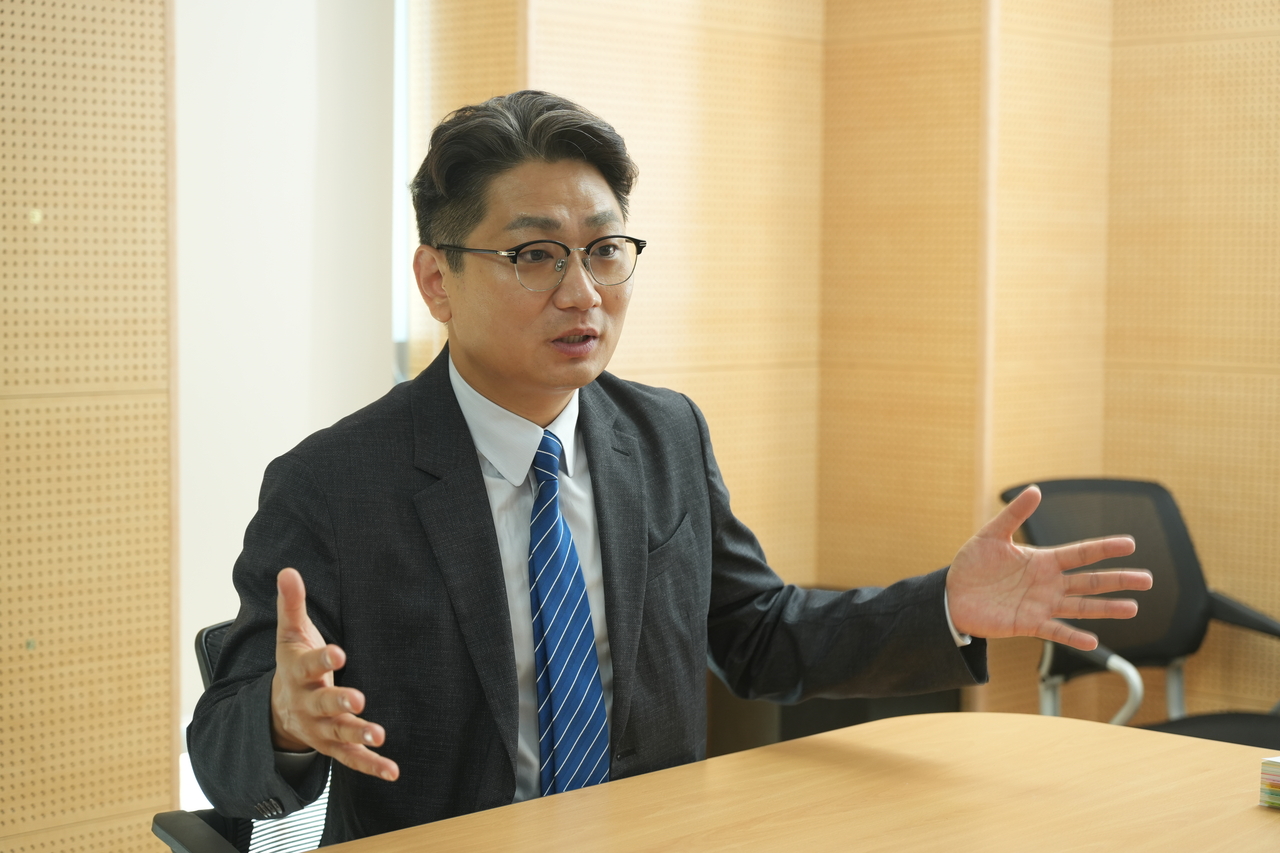
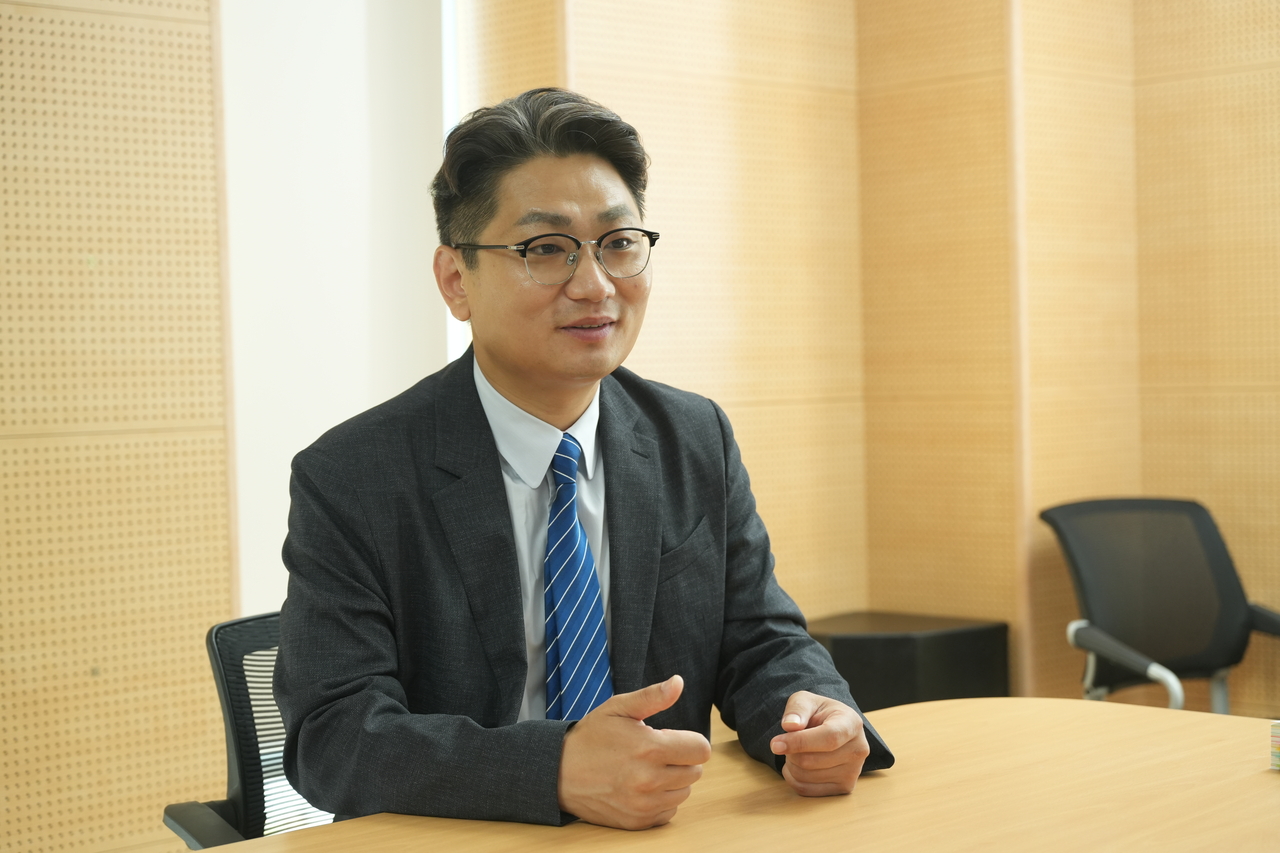
Oh Jung-seok, a Democratic Party of Korea council member-elect for Dongdaemun District 2 who won re-election in the June 3 local elections, has laid out a blueprint to accelerate long-sought local projects — including the construction of a new Sinimun Station — and to develop Dongdaemun-gu into a youth city representing Seoul's northeastern corridor.
In an interview Tuesday, Oh said the election result reflected residents' expectations that he take on greater responsibility and work harder for the district's development. "I will combine the passion of my first term with the experience of a second term to resolve local issues with greater momentum," he said.
Having served as a parliamentary aide, a Dongdaemun-gu council member and a member of the 10th Seoul Metropolitan Council, Oh described his political philosophy as "people-centered politics." He said policy must begin and end with residents' lives, and that politics should serve as a tool for improving citizens' daily conditions.
He identified improving the residential environment and expanding basic living infrastructure as his top priorities for the new term. Redevelopment and new-town projects in the Imun and Hwigyeong-dong areas are rapidly transforming the housing landscape, he said, but the expansion of transport, cultural and lifestyle infrastructure has lagged behind.
Oh said he would make the construction of a new Sinimun Station his first order of business and concentrate his efforts on expanding transport, cultural and lifestyle infrastructure. He said his focus would be on producing visible results that residents can feel directly in their daily lives.
Universities and youth as engines of Dongdaemun's future
Oh identified the district's universities and young population as the key drivers of Dongdaemun-gu's future growth. Despite a concentration of strong academic institutions — including Kyung Hee University, Hankuk University of Foreign Studies and the University of Seoul — a significant number of young people leave the area after graduation. Oh said building a growth foundation that connects universities with the local community was essential.
"We need to create an environment where young people don't just study and leave, but can stay, work and start businesses," he said. "I will build a youth economic ecosystem in which universities and the local community grow together."
To that end, Oh plans to strengthen support systems for youth entrepreneurship, expand job opportunities and cultural and community spaces, and pursue youth support policies linked to future industries such as AI, biotech and content. He also said he would work to establish a governance framework that allows young people to participate directly in the policymaking process.
When asked how he hoped to be remembered after completing his term on the 12th Seoul Metropolitan Council, Oh said he wanted to be known as "a council member who made the neighborhood a better place to live." He said he would focus on raising residents' quality of life by addressing local issues one by one — from redevelopment and reconstruction to transport and everyday inconveniences.
"I will pour all my energy into earning the recognition that I raised the value and competitiveness of Dongdaemun-gu by one level," he said. "With the belief that the answers are always found on the ground, I will listen more, work harder alongside residents, and repay their support with results."
7toy7@heraldcorp.com