
Global big pharma wants Phase 2 and Phase 3 assets with clear cash flow, not early-stage platform technology; ABL Bio CEO Lee Sang-hoon says Korean biotech lacks the 'smart molecules' needed to command a premium acquisition; subsidiary Neox Bio set up to prove Phase 2 value in the US market
Amid growing criticism that South Korea's biotech ecosystem is overly fixated on initial public offerings, the founder of a company that has generated trillions of won in licensing deals is calling for a fundamental overhaul — and offering a frank diagnosis of where Korean biotech stands in the global mergers and acquisitions market.
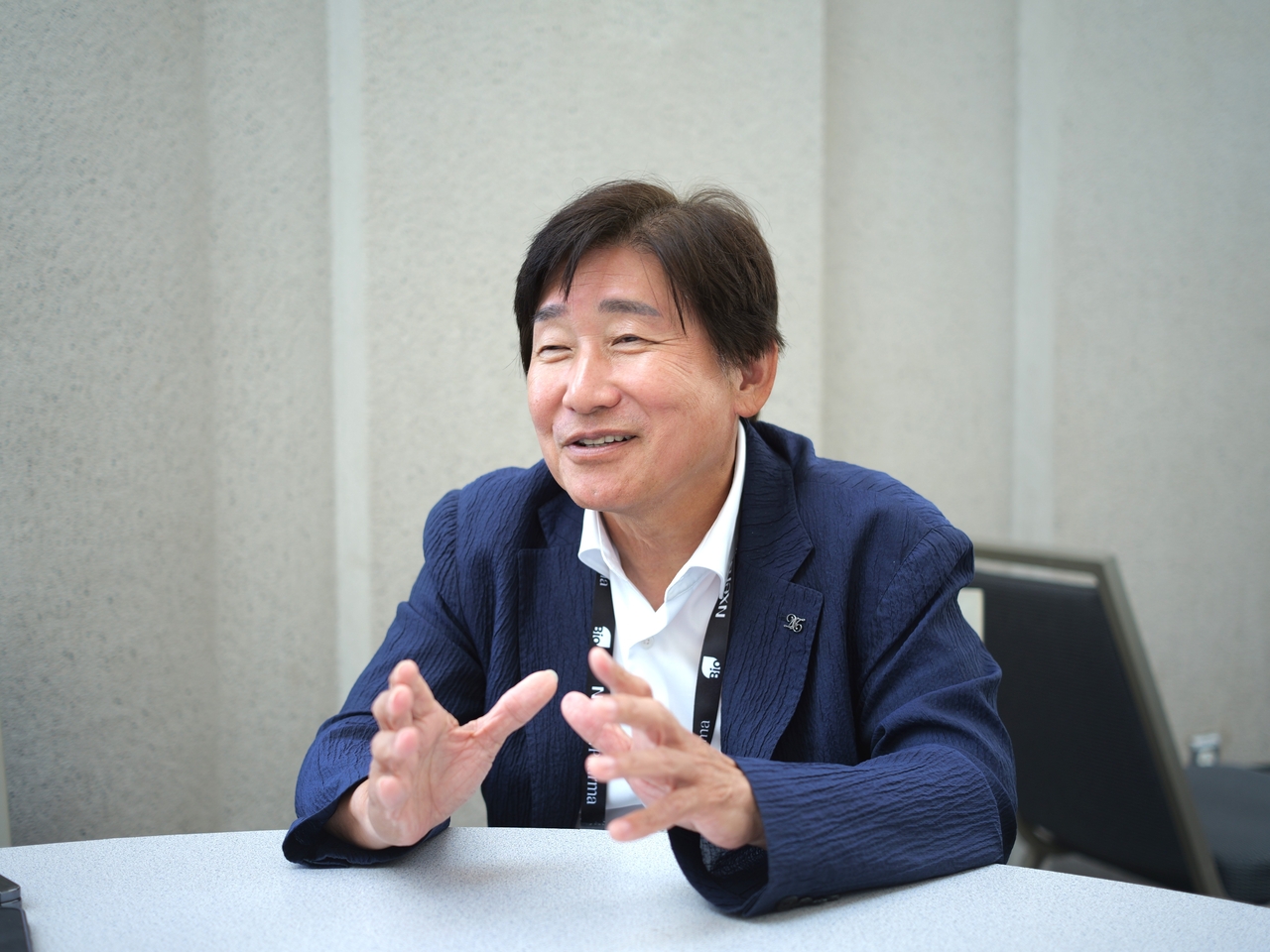
Lee Sang-hoon, CEO of ABL Bio, sat down with reporters Wednesday (local time) on the sidelines of the 2026 BIO International Convention in San Diego and said Korean biotech companies are operating under a dangerous illusion. "Domestic biotech firms think that having a distinctive platform technology means M&A is possible — that's a misconception," Lee said. "In practice, there are virtually no cases globally where an M&A deal was closed on platform technology alone."
Lee said global big pharma moves large sums of money based strictly on visible, predictable cash flow. "From a big pharma buyer's perspective, acquiring a platform technology still means they have to load their own molecules and develop new drugs from scratch — so they won't pay big money for it," he said. He pointed to ABL Bio's own experience licensing out its blood-brain barrier shuttle platform technology, noting that global companies paid upfront fees of around $50 million — roughly 60 billion to 70 billion won — for the rights. Even when a technology's total potential value runs into the trillions of won, platform technology alone is not enough to prompt big pharma to pay a large premium and acquire an entire company outright, he said.
The real key to a successful global M&A, Lee argued, lies not in the platform but in late-stage clinical assets. "To get global big pharma to take on the risk of an M&A, there absolutely must be a solid molecule at the center — one that has completed proof of concept and reached Phase 2 or Phase 3 trials," he said. "But Korean biotech companies are far too concentrated in early-stage technology and early-stage assets. The biggest problem is that, from big pharma's perspective, there simply isn't anything worth buying."
Lee said the recently established subsidiary Neox Bio was created precisely to break through those structural limitations and regulatory barriers in the domestic capital market. "The reason we set up Neox Bio is clear: to rapidly advance molecules to the Phase 2 stage and establish solid proof of concept," he said. The plan is to attract investment from US venture capital firms, shift the capital structure toward the United States, and — following clinical success — pursue either a Nasdaq listing, a global M&A deal, or direct commercialization in the US market, targeting returns of more than 10 times the initial investment. Big pharma only moves, he said, when a company has entered the commercial stage, where annual sales in the hundreds of billions to trillions of won range are clearly visible.
Lee closed with a broader appeal to the industry. "For the domestic biotech ecosystem to become sustainable and move beyond its IPO-only mindset, it needs to stop chasing vague early-stage technology stories," he said. "Along with structural reform in the capital markets, late-stage clinical success assets that meet global standards must emerge — only then will the door to K-biotech M&A truly open."
silverpaper@heraldcorp.com





