20 specialist doctors to be supported per region, bringing total participating regions to 11
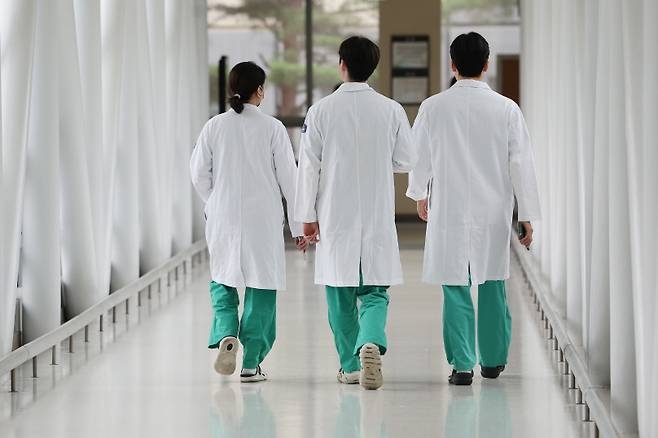
The Ministry of Health and Welfare announced Monday that it has selected five additional metropolitan and provincial governments to join the "contracted regional essential doctor pilot program" through supplementary budget funding secured this year.
The program provides specialist doctors with regional work allowances and settlement support from central and local governments in exchange for long-term service in essential medical departments at general hospitals or larger facilities within their assigned regions.
The pilot launched in July last year and is currently operating in six regions — Gangwon Province, South Chungcheong Province, South Jeolla Province, North Gyeongsang Province, South Gyeongsang Province and Jeju — as of this month. A total of 89 specialists are active across four of those regions: Gangwon Province, South Jeolla Province, South Gyeongsang Province and Jeju. South Chungcheong Province and North Gyeongsang Province are still preparing to recruit participants.
The five newly selected regions are Busan, Daegu, Ulsan, North Chungcheong Province and North Jeolla Province.
The ministry plans to work with local governments and medical institutions to support 20 specialist doctors per region as "contracted regional doctors" providing essential medical care. Each doctor will receive a monthly regional work allowance of 4 million won ($2,590) along with settlement assistance.
To ensure smooth implementation, the ministry will regularly monitor progress in each region and begin recruiting participants in areas that complete their preparations first, with full-scale support set to begin in October.
Ko Hyeong-u, the ministry's essential medical care support director, said the expansion was expected to ease the shortage of essential medical personnel in underserved regions and help close gaps in medical access. "We will continue working to build a regionally self-sufficient medical system so that people can access essential medical services stably, anytime and anywhere," Ko said.
thlee@heraldcorp.com