
Kolmar Korea rides export surge to record quarterly earnings
Coway's 11.73 million accounts highlight recurring-revenue resilience
Construction orders up, but lagging completions delay building-materials recovery
Second-half earnings prospects for mid-sized and smaller South Korean companies are diverging sharply by sector. Cosmetics ODM (original design manufacturing) firms and rental-subscription appliance makers are widely expected to sustain the strong momentum they built in the first half, while building materials and interior-finishing companies face a longer wait for a meaningful recovery as the construction slump drags on.
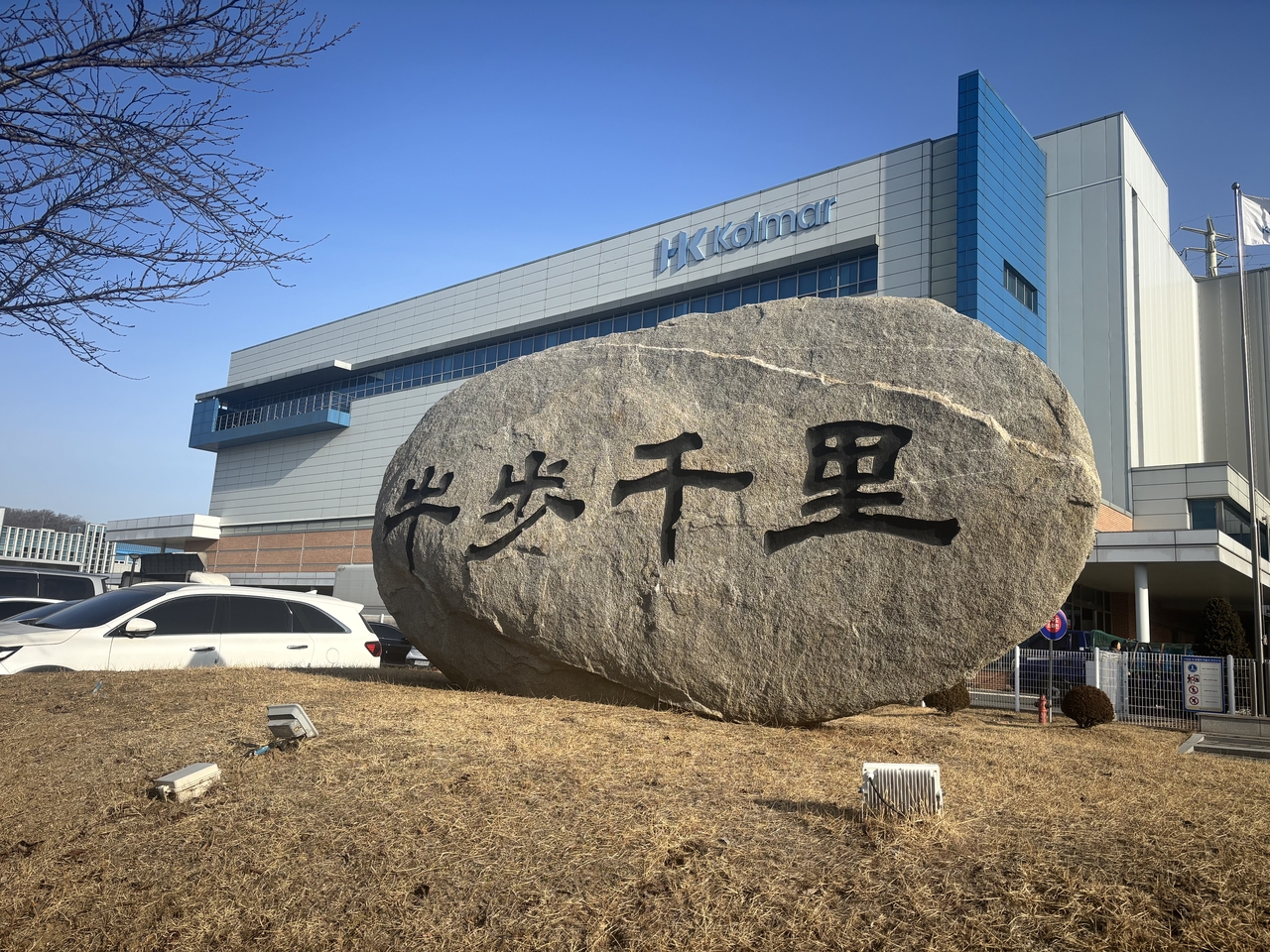
Cosmetics ODM leaders Kolmar Korea and Cosmax: bright H2 outlook
The cosmetics ODM segment and the rental-subscription appliance sector stand out as the clearest recovery stories for the second half of this year, according to industry sources. Data from the Ministry of SMEs and Startups show that cosmetics exports rose 21.3 percent year-on-year in the first quarter of 2026, reaching $2.18 billion — a record for any single quarter. Exports to the United States and Europe surged 35.1 percent and 43.7 percent, respectively, reducing the sector's dependence on China.
That trend showed up first in ODM earnings. Kolmar Korea posted consolidated first-quarter sales of 728 billion won ($471 million) and operating profit of 78.9 billion won, up 11.5 percent and 31.6 percent year-on-year, respectively — both quarterly records. On a standalone basis, the domestic unit recorded sales of 343 billion won and operating profit of 51.2 billion won, gains of 25 percent and 51 percent.
Analysts are paying closer attention to profitability than to top-line growth. Mirae Asset Securities said the first-quarter results reflected stronger orders from top domestic clients and broader demand for core skincare products, which translated into operating leverage. The domestic unit's operating margin reached 14.9 percent, a record high. The brokerage attributed the improvement to a structural feature of ODM manufacturing: as export brands shift from one-off orders to repeat purchasing, production efficiency rises.
Cosmax also carries a positive second-half outlook. The company posted consolidated first-quarter sales of 682 billion won and operating profit of 53 billion won, with sales up 15.9 percent year-on-year to set a new quarterly record. The Korean unit's sales rose 16.7 percent to 423.2 billion won, while the Chinese unit grew 19.6 percent to 194.7 billion won.
Hanwha Investment said in a recent research note that order growth at Cosmax's US unit was exceeding expectations and that a return to quarterly profit there from the second quarter was likely. Yuanta Securities Korea, in a post-investor-day note in May, said earnings momentum in both the United States and China was strengthening — driven by a rising share of independent domestic brands in the US and a more diversified customer and channel mix across Cosmax's Shanghai and Guangzhou operations in China.
Rental appliance makers also upbeat, with overseas operations adding strength
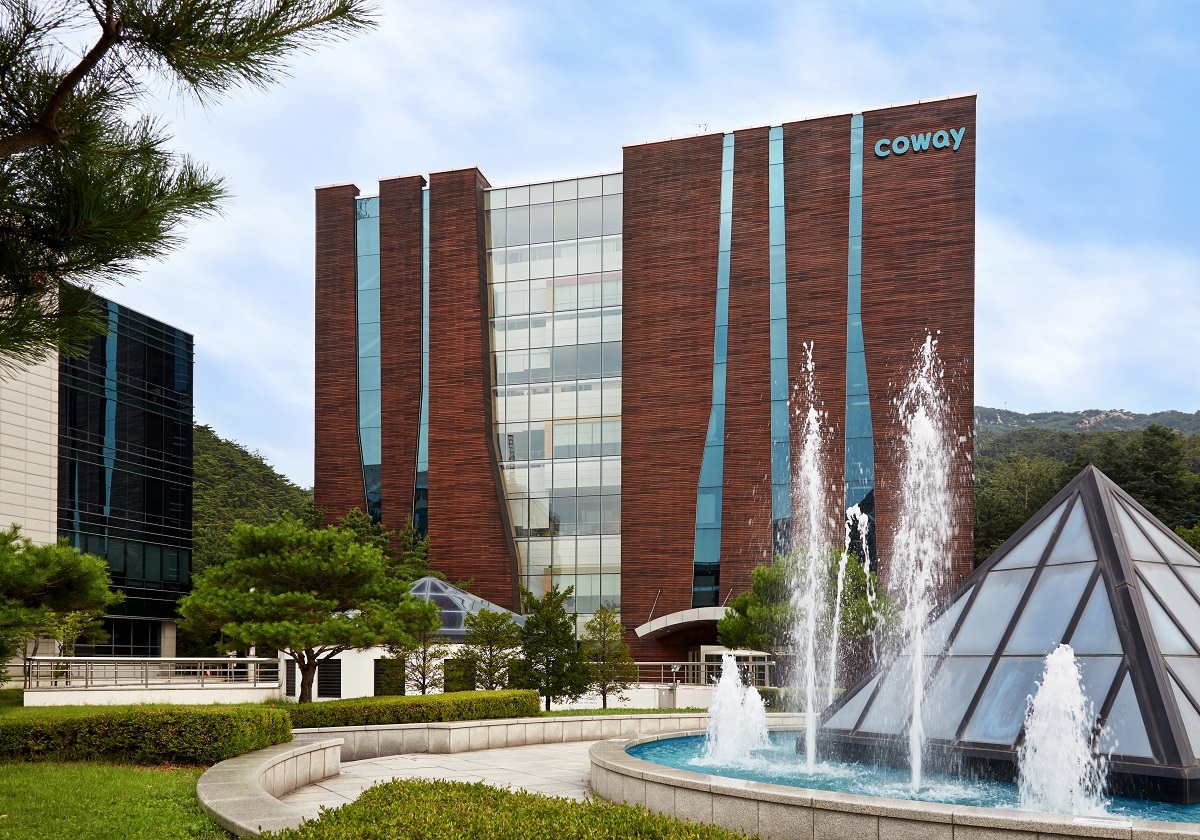
Rental and subscription appliance companies benefit from a recurring-revenue model that provides earnings stability. Coway posted consolidated first-quarter sales of 1.33 trillion won and operating profit of 250.9 billion won, up 13.2 percent and 18.8 percent year-on-year, respectively. Total rental accounts reached 11.73 million, a 10.9 percent increase from a year earlier, with 7.48 million domestic accounts and 4.25 million overseas accounts.
The standout figure in Coway's results was net account additions. Domestic rental accounts grew by a net 188,000 units in the first quarter, up 81.8 percent year-on-year. Total unit sales of 471,000 were roughly flat compared with the same period last year, but the steady accumulation of active accounts is reinforcing the company's revenue base. Overseas subsidiaries have also become a key variable for the second half. Coway's Malaysian unit posted first-quarter sales exceeding 400 billion won, up 23.5 percent year-on-year, while sales in Thailand and Indonesia rose 29.3 percent and 14.7 percent, respectively.
SK Networks also warrants attention. The company posted consolidated first-quarter sales of 1.74 trillion won and operating profit of 33.4 billion won, up 6.5 percent and 102.4 percent year-on-year, respectively. The company said new account growth in the subscription business of its SK Intellex unit and better results at its Walkerhill hotel operations drove the improvement in profitability.
Building materials and interior firms face a longer road to recovery
The building materials and interior-finishing sector faces a more drawn-out recovery, weighed down by the prolonged construction slump. According to the Korea Construction Industry Institute, construction orders in April totaled 19.7 trillion won, up 35.9 percent from a year earlier, with public-sector orders rising 62.3 percent and private-sector orders up 26.6 percent. Yet private residential and non-residential construction remained stagnant, and construction completions fell 1.1 percent year-on-year to 11.7 trillion won. The figures underscore a familiar lag: even as orders rise, it takes time for ground-breakings, completions, and materials shipments to follow.
That lag is showing up directly in company results. LX Hausys posted consolidated first-quarter sales of 814.7 billion won and operating profit of 45.9 billion won, up 4.3 percent and 549.7 percent year-on-year, respectively. Mirae Asset Securities said the results reflected a combination of factors: a pickup in residential property transactions and business-to-consumer volume in the first quarter, lower raw-material input costs, stronger exports of decorative film, and reduced depreciation charges. Building materials account for roughly 68 percent of LX Hausys's sales by segment.
KCC still faces profitability pressure. The company's consolidated first-quarter sales edged up 1.7 percent year-on-year to 1.63 trillion won, but operating profit fell 14.8 percent to 88.1 billion won. Hana Securities said building materials and paint performed relatively well, but improvement in the silicone segment was slower than expected. A lag in passing higher costs — including raw materials, catalysts, and freight — through to selling prices was also cited as a drag. Although KCC is grouped with building materials companies, silicone accounts for a significant share of its revenue.
Hanssem serves as a barometer for remodeling consumer demand. The company posted consolidated first-quarter sales of 399.4 billion won and operating profit of 10.1 billion won. Sales fell 9.9 percent year-on-year, but operating profit rose 56.4 percent. Business-to-consumer remodeling and home-furnishing sales held up, while business-to-business contract sales declined due to the weak construction environment. Analysts said the drop in B2B revenue weighed on overall sales, but a higher share of relatively more profitable retail sales drove the improvement in earnings.
hong@heraldcorp.com





