Seoul inspects 666 e-cigarette retailers
112 vending machines accept all five forged IDs
Only half of stores display 'no sales to minors' notice
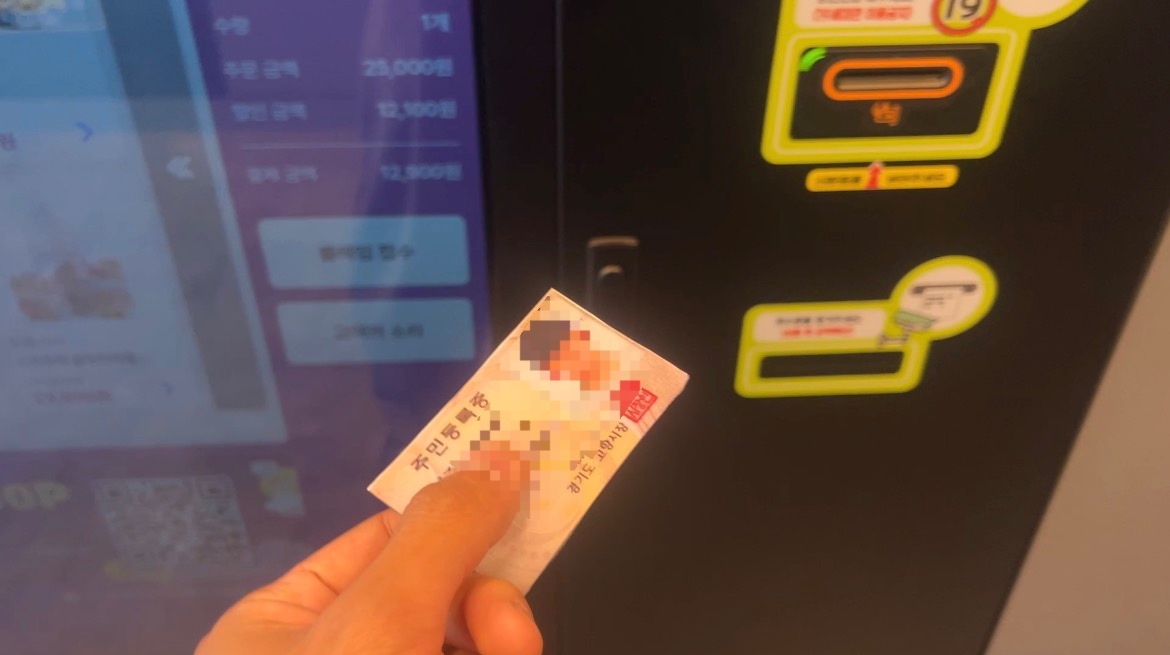
About 40 percent of e-cigarette vending machines in Seoul failed to detect forged or altered ID cards, a city inspection has found. Only 58.6 percent of e-cigarette retailers displayed the legally required "no sales to minors" warning notice.
The Seoul Metropolitan Government conducted a two-month intensive inspection of e-cigarette retailers across the city from April 24 through June 23.
Of the 666 e-cigarette stores inspected, 190 — or 28.5 percent — operated at least one vending machine selling liquid e-cigarettes and related devices, meaning roughly one in three stores offered vending machine purchases.
Vending machines have been identified as a key factor making e-cigarettes more accessible to minors. To assess that risk, the city produced five types of fabricated ID cards and used them to test the age-verification systems on the machines.
The five fake IDs included a national ID card bearing a photo of the cartoon character "Dooly" and national ID cards and driver's licenses featuring photos of fictitious men and women.
Of the 415 vending machines tested, 168 — about 40 percent — accepted at least one forged ID. Of those, 112 machines passed all five fake IDs without flagging any of them.
Warning notice compliance was also poor. Under the Youth Protection Act, retailers must post "no sales to minors" notices both inside their stores and on any vending machines they operate. Yet only 390 of the 666 stores — 58.6 percent — had the notice displayed inside. Among the 190 stores running vending machines, only 63, or 33.2 percent, had posted the notice on the machines.
Advertising violations were also widespread. The National Health Promotion Act prohibits tobacco advertisements from being visible outside a business, but 254 of the 375 stores that displayed ads — 67.7 percent — had signage visible from the street.
![City officials inspect an e-cigarette vending machine. [Provided by Seoul Metropolitan Government]](https://wimg.heraldcorp.com/news/cms/2026/07/03/news-p.v1.20260703.eec53050e26d49a8910d33a38dd12e20_P1.jpg)
Based on the inspection findings, the city has told relevant authorities that amendments to the enforcement regulations of the National Health Promotion Act and other regulatory reforms are needed to ensure vending machine age-verification systems can reliably detect forged IDs and effectively block minors from accessing e-cigarettes.
In addition, the city plans to produce "no sales to minors" notice boards and distribute them to e-cigarette retailers citywide.
During the same inspection period, city officials issued 5,956 on-site warnings to people smoking liquid e-cigarettes in designated no-smoking zones. The city said liquid e-cigarettes are prohibited in no-smoking zones. Synthetic-nicotine liquid e-cigarettes were classified as tobacco products under an amendment to the Tobacco Business Act in April, and since June 24 violators caught smoking them in no-smoking zones face a fine of 100,000 won ($64).
"For the expansion of e-cigarette regulation to be effective, changes on the ground must accompany legal and institutional reforms," said Jo Yeong-chang, director of the Seoul Metropolitan Government's Public Health Bureau. "Seoul will continue its multifaceted efforts — from on-site guidance to urging the industry to self-regulate — and take the lead in creating a smoke-free environment."
ikson@heraldcorp.com