As politics and administration grow increasingly intertwined in the era of local self-governance, the importance of public communications is rising. The Seoul Metropolitan Government and its 25 autonomous districts have seen their communications teams gain greater standing, as those teams now handle not only the timely and accurate delivery of policy information to residents but also crisis response.
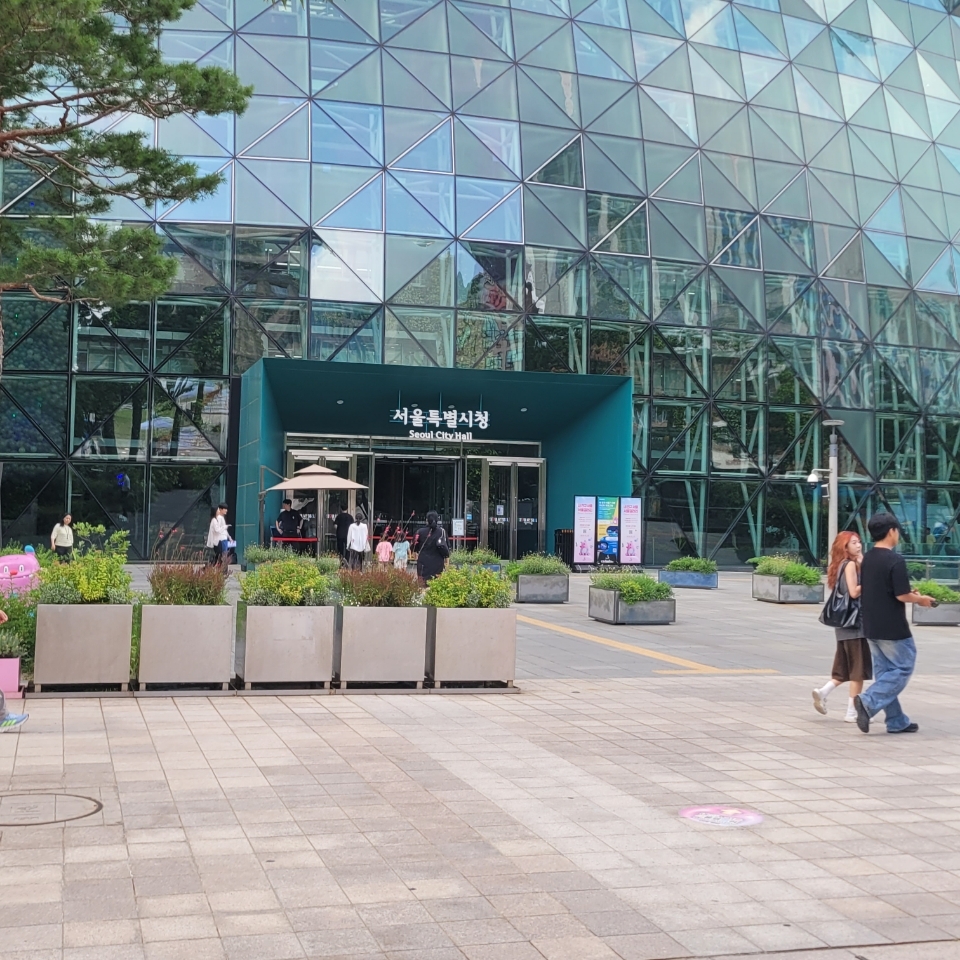
At Seoul City Hall, dozens of communications staff led by spokesperson Lee Min-kyung and press officer Hwang Seong-muk work across the city to bring Mayor Oh Se-hoon's key policy achievements to the attention of Seoul's 10 million residents.
They function as round-the-clock responders — on weekdays and weekends, at dawn and late at night — ready to handle unexpected situations at any moment. When an unforeseen incident or controversy arises, verifying the facts and managing both media relations and public communications is their daily routine.
The 25 autonomous districts may operate on a smaller scale than the city government, but their competition in communications is no less intense.
Districts pursuing similar policies race to distribute press releases and publicize their initiatives ahead of rivals to capture residents' attention. They also maintain standing emergency systems to respond swiftly whenever negative coverage or complaints emerge.
The steady, behind-the-scenes work of these communications professionals has drawn positive recognition in recent personnel decisions.
Since the June 3 local elections, a series of media team chiefs across Seoul's autonomous districts have been promoted or moved to key posts, drawing renewed attention to the value of communications work.
In Gwangjin-gu, district mayor Kim Gyeong-ho — who won reelection — promoted media team chief Kim Hyeon-ja to a Grade 5 communications officer position.
Kim was recognized for two years of steady media management and policy communications at the helm of the media team. The appointment also reflects district mayor Kim Gyeong-ho's personnel philosophy of continuing to draw on her extensive communications experience and press network.
In Jongno-gu, media team chief Kang Mi-hee was elevated to head of the human resources team in the same round of personnel moves. She was credited with diligently carrying out her duties as media team chief for about a year and a half, and received strong internal evaluations within the organization.
Baek Seong-mi, media team chief in Mapo-gu, was also recognized for quietly leading media communications and policy outreach over a year and a half, and was assigned to head the traffic management team — a key post within her bureau.
As team chiefs who delivered results in communications work receive promotions and reassignments in succession, perceptions of the function within these organizations are shifting. Capable officials are increasingly volunteering for or expressing interest in communications posts, which were once considered undesirable assignments.
The trend continued in subsequent personnel moves.
Jongno-gu appointed communications team chief Shin Hye-jeong as its new media team chief, while Mapo-gu named media team chief Jeong Im-yeong to the same role. Both moves place experienced, specialized communications professionals in frontline positions.
In the era of local self-governance, public communications has evolved well beyond drafting press releases — it has become a core function that conveys the value of policy to residents and bridges the gap between government and the public.
With this shift reflected in a string of personnel decisions at the Seoul Metropolitan Government and its districts, observers expect the role and standing of communications professionals to grow further in the years ahead.
seouldream01@heraldcorp.com