"Seoul's competitiveness in sports is complete when citizens enjoy sports in their daily lives and athletes can steadily pursue their dreams."
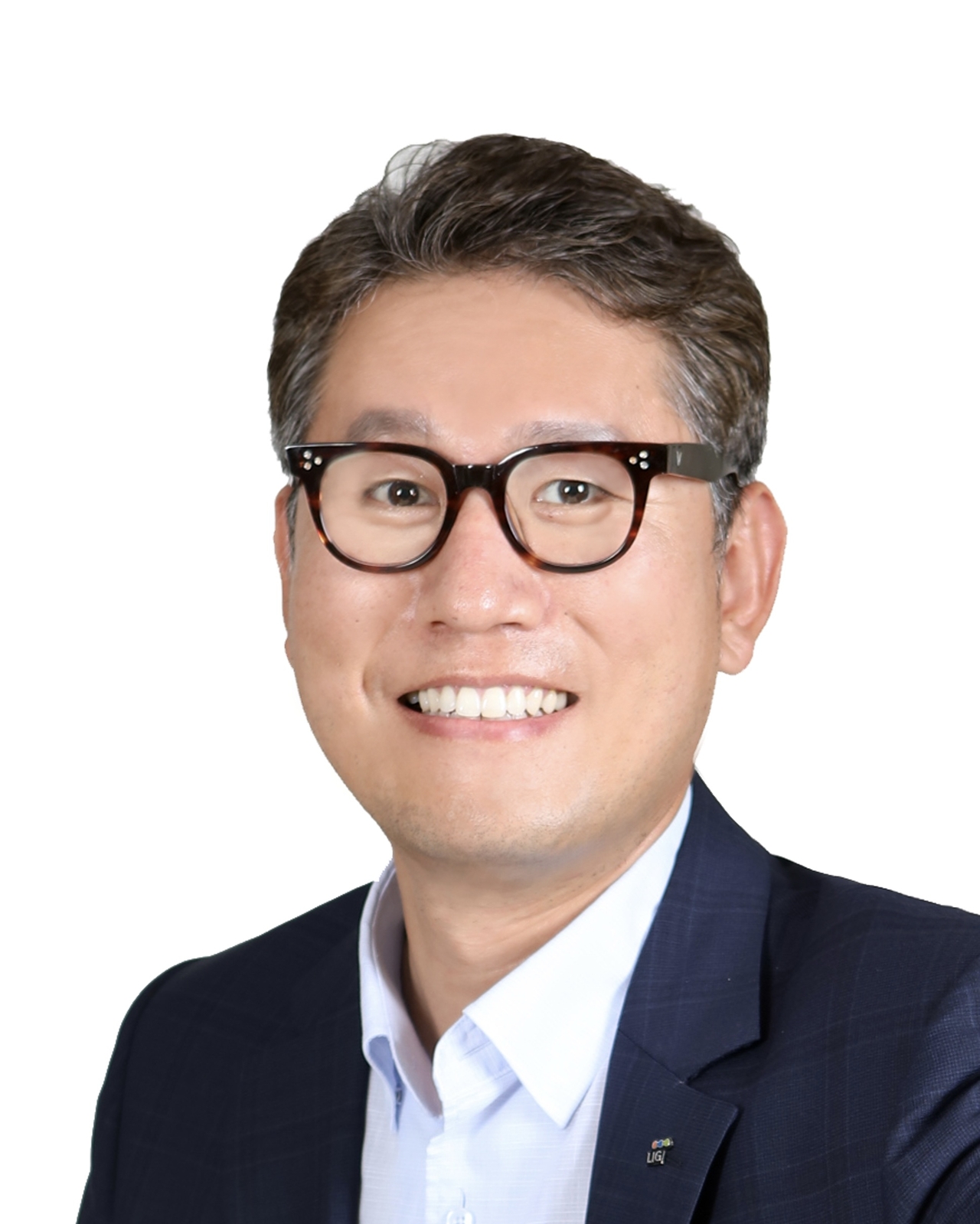
Kim Seong-beom, secretary general of the Seoul Metropolitan Sports Council, outlined his priorities for the city's sports sector: field-centered administration, a science-based sports system and the expansion of K-sports centered on the Han River. His vision is to move beyond treating recreational and elite sports as separate domains, instead building a virtuous cycle that connects citizen health, athlete development and urban competitiveness.
In an interview Thursday, Kim said sports are not merely a leisure activity but a foundation for improving citizens' quality of life and energizing the city. The Seoul Metropolitan Sports Council, he said, would focus its efforts on creating change that both citizens and athletes can feel.
'Field experience is the bedrock of sports administration'
Kim is recognized as a figure who helped systematize badminton coaching in South Korea. He organized coaching methods by age and skill level, introduced a rating system, and ran job-training programs for school district staff for 17 years — work that helped spread badminton in schools and broaden the base of recreational sports.
He said badminton had been popular as a recreational sport but once lacked a structured coaching framework. By establishing coaching methods tailored to gender, age and skill level, and enabling teachers to instruct students on the court, he is credited with helping fuel the badminton boom.
That hands-on experience became the foundation of his administrative career. Kim served as president of the Gangnam-gu Badminton Association and the Gangnam-gu Sports Council, and as vice president of the Seoul Metropolitan Sports Council, before being appointed secretary general on April 6.
He said the starting point of sports administration is accurately reading what people in the field are saying — quickly grasping and addressing the needs of athletes, coaches and club members across different sports.
Since taking office, communication has been his top priority. Conflicts and complaints among sports associations often stem not only from systemic problems but from emotions and misunderstandings.
Kim said he is working to create structures where the parties involved can meet and talk directly, rather than resolving complaints through paperwork alone. Reducing conflict, he said, requires a process of mutual understanding, and resolving problems on the ground before they escalate into legal disputes is one of the council's most important roles.
'Science-based training is no longer optional'
Kim said advancing sports science is essential to strengthening elite sports competitiveness. He called for a system that goes beyond simply measuring athletes' records to one that links data analysis, personalized prescriptions and supplementary training.
"An AI- and data-driven scientific training system is no longer optional — it is essential," Kim said. "For measurement results to translate into real performance gains, analysis, prescription and field application must all work together."
He also identified strengthening the sports science center's functions and expanding its professional staff and budget as key tasks. Scientific support systems must be closely connected to the field, he said, for athletes to train consistently and improve their performance.
Kim also flagged post-retirement career paths as a challenge Seoul sports must address. With coaching positions limited, he said the council would continue reviewing ways to create hiring opportunities that recognize athletes' careers and contributions, and to expand job openings in partnership with sports-related institutions.
In recreational sports, he said accessibility and diversity are the core issues. Even when citizens want to exercise, limited nearby facilities or suitable programs make participation difficult. Seoul's sports facilities fall short of its population and demand, he said, so the city needs not only more facilities but programs developed in ways citizens actually want.
The council also plans to expand recreational sports programs aimed at younger generations — broadening participation in sports such as 3-on-3 basketball, screen golf and park golf, and promoting a nighttime sports culture to create more opportunities for exercise in everyday life.
K-sports poised to become a global brand
Kim identified the Han River as a core asset of Seoul sports. He said the riverside sports facilities should be actively developed into spaces where citizens and tourists can enjoy sports together.
With more than 50 sports facilities along the Han River, he said there is significant room to raise their utilization. He plans to work with the Han River Project Headquarters to develop spaces where citizens and foreign visitors can experience traditional Korean sports together — including taekwondo, jokgu, hapkido and gungdo (Korean archery).
"Just as K-pop and K-culture have become global brands, K-sports can absolutely go global," Kim said. "My goal is to build sports content unique to Seoul centered on the Han River, and connect it to tourism and industry."
He also set out concrete goals for strengthening Seoul's sports competitiveness — pursuing improved results at the National Sports Festival and higher citizen participation in recreational sports at the same time. The council's direction, he said, is to raise elite sports competitiveness while creating an environment where any citizen can exercise close to home.
Kim also sees developing less popular sports as a key role for the council. Supporting semi-professional teams and minor sports is not just a matter for individual athletes but a question of preserving each sport's ecosystem, he said, and the council would continue supporting balanced development across sports and expanding opportunities for athletes.
Kim said sports administration must evolve beyond simple support work into a professional domain equipped with policy and strategy — not merely executing a set budget, but pursuing an approach that looks at citizen health, athlete development and urban competitiveness together.
"I will do my best to make the Seoul Metropolitan Sports Council an organization trusted by both citizens and athletes, built on the pride of those in sports," Kim said.
7toy7@heraldcorp.com