![Kim Hak-rin, chair of the Healthcare Innovation Citizens Panel steering committee under the Ministry of Health and Welfare, briefs reporters on the results of the first Healthcare Innovation Citizens Panel public deliberation at Government Complex Seoul on Tuesday. [Yonhap]](https://wimg.heraldcorp.com/news/cms/2026/07/14/rcv.YNA.20260714.PYH2026071410270001300_P1.jpg)
People are willing to use local hospitals before turning to large hospitals in the Greater Seoul area — but only if smooth referral links to higher-level facilities are guaranteed when needed, a new survey shows.
Respondents also broadly agreed that care for minor ailments such as colds, nighttime and holiday pediatric services, and emergency room treatment should all be available within their own communities.
The Citizens Panel Steering Committee under the Healthcare Innovation Committee released the findings Tuesday, based on a survey of 291 panel members conducted before and after the first Healthcare Innovation Citizens Panel deliberative forum, held July 4 and 5.
The steering committee was established under the Healthcare Innovation Committee to broaden public participation in healthcare reform discussions. The 300 panelists — selected to reflect a range of ages and places of residence — discussed topics including the minimum scope of regional medical supply, the level of local hospital coverage the public expects, and how to structure medical supply to ensure regional and essential care.
When asked what conditions would need to be met for people to trust and use local hospitals instead of large hospitals in the Greater Seoul area, 66.8 percent of respondents cited "medical staff skill and experience on par with the capital region." Discussion sessions also surfaced strong sentiment that people would not use regional hub hospitals even if more were built, if the quality of service remained low.
However, among respondents living in medically underserved areas, 55.0 percent said "24-hour emergency response and rapid patient transfer" was the most pressing need.
When asked which value should take priority in addressing regional healthcare problems, 64.5 percent chose "quality of care," compared with 35.1 percent who chose "accessibility."
On measures that would encourage people to use local hospitals first rather than traveling to large hospitals in the Greater Seoul area, 56.7 percent of respondents said the most effective approach would be "guaranteeing automatic sharing of test results and medical records, along with fast appointment booking, when a referral to a higher-level hospital is needed."
For medical services that should be available within one's own city, county or district, 94.3 percent of respondents named treatment for minor conditions such as colds and chronic illnesses — the highest share. More than half also said nighttime and holiday pediatric care (77.1 percent), 24-hour emergency room treatment, and maternity services (59.9 percent) should be guaranteed locally.
When respondents were asked to assume that not all services could be provided within their care zone, emergency services topped the priority list — 61.9 percent named 24-hour emergency room treatment and 55.4 percent named time-critical treatment for conditions such as heart attacks and strokes.
On policies to train doctors and other personnel for regional and essential medical services, respondents broadly agreed with specific measures including regional physician selection with mandatory service requirements, contracts requiring at least five years of service, and a fee schedule that offers higher compensation for essential and rural postings.
Among the 45.6 percent of respondents who rated such workforce policies as unlikely to succeed, 62.1 percent — a majority — said the main reason was insufficient incentives for medical professionals to settle in regional areas.
The steering committee will analyze the deliberation results and report them to the Healthcare Innovation Committee by the end of July, with the findings to serve as a reference in future policy discussions.
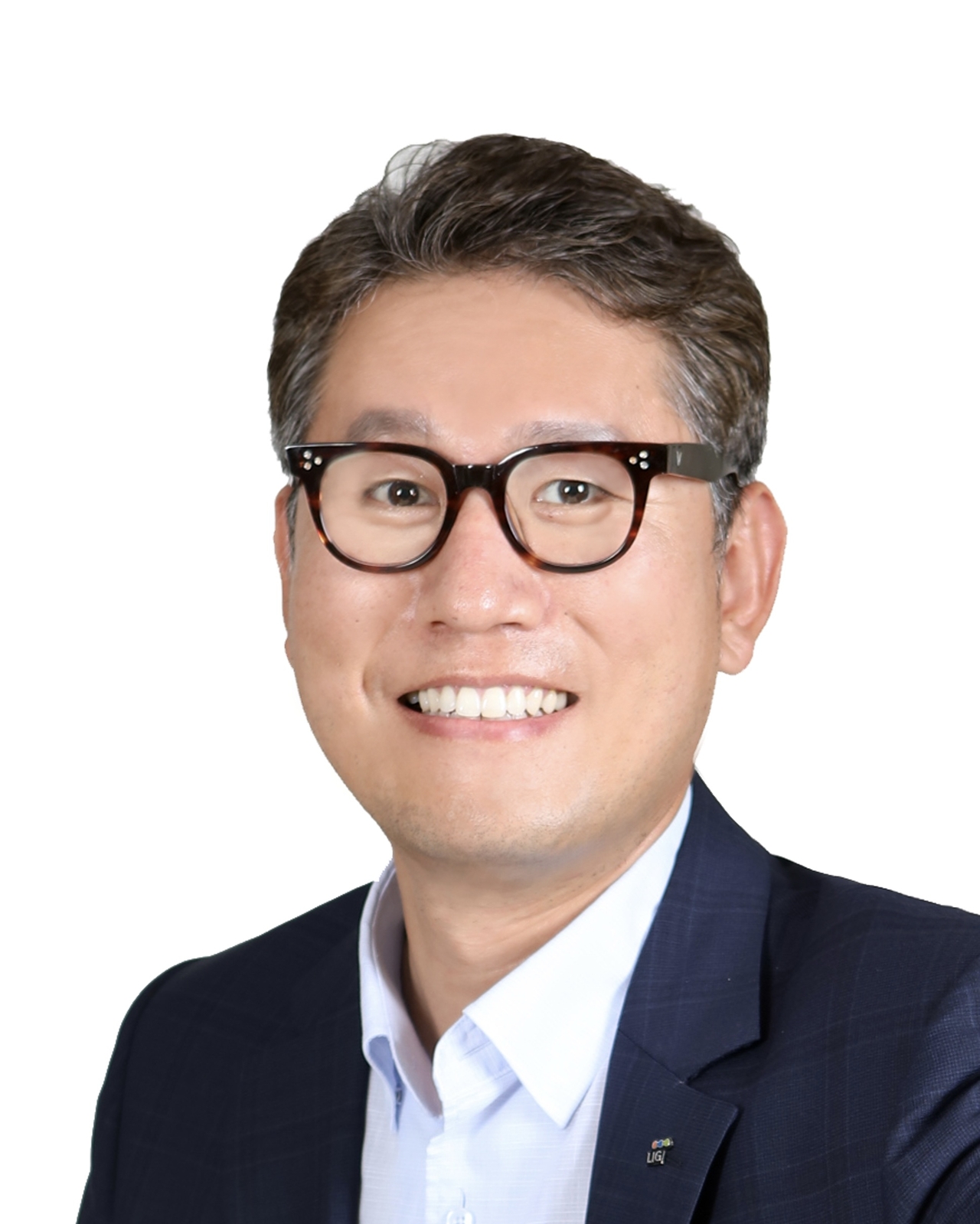
Kim Hak-rin, chair of the Citizens Panel Steering Committee, said he hoped "the opinions that citizens reached through sufficient learning and deliberation will make a meaningful contribution to the Healthcare Innovation Committee's policy discussions and the advancement of healthcare reform."
thlee@heraldcorp.com