96% of foreign rental car users in Jeju skipped fines last year
![A parking lot at Seongsan Port in Jeju [Yonhap]](https://wimg.heraldcorp.com/news/cms/2026/07/14/news-p.v1.20260714.62c38be7c26840b0ae862ed6944fb122_P1.jpg)
As debate resurfaces over whether to allow Chinese tourists to drive in South Korea, data show that foreign rental car users leave behind hundreds of millions of won in unpaid traffic fines every year.
According to materials the Korean National Police Agency submitted to the office of People Power Party lawmaker Kim Eun-hye on Tuesday, unpaid fines by foreign rental car users totaled 1.69 billion won ($1.12 million) between 2021 and 2025.
Breaking the figures down by year, unpaid fines amounted to 166.68 million won in 2021, 199.68 million won in 2022, 414.19 million won in 2023, 656.91 million won in 2024 and 253.5 million won in 2025. The non-payment rate climbed consistently from 27.7 percent in 2021 to 29.1 percent in 2022, 46.7 percent in 2023 and 60.7 percent in 2024, before easing slightly to 56.3 percent in 2025. Overall, however, the upward trend continued.
On Jeju Island, a major tourist destination, the non-payment rate among foreign rental car users was far higher than in any other part of the country. Over the most recent three years on record, the rate stood at 93.6 percent in 2021, 96.2 percent in 2022 and 96.1 percent in 2023 — meaning more than nine out of 10 foreign drivers fined on the island never paid.
The Korean National Police Agency said that once a foreign national leaves the country without paying a fine, collection is in effect impossible. Observers say the system needs reform to ensure fairness with domestic rental car users.
The controversy began after Jeju Island Vice Governor Park Cheon-su proposed lowering barriers to rental car use by foreign tourists at the first expanded senior staff meeting of the island's ninth elected administration, held at the Jeju provincial government office on July 2.
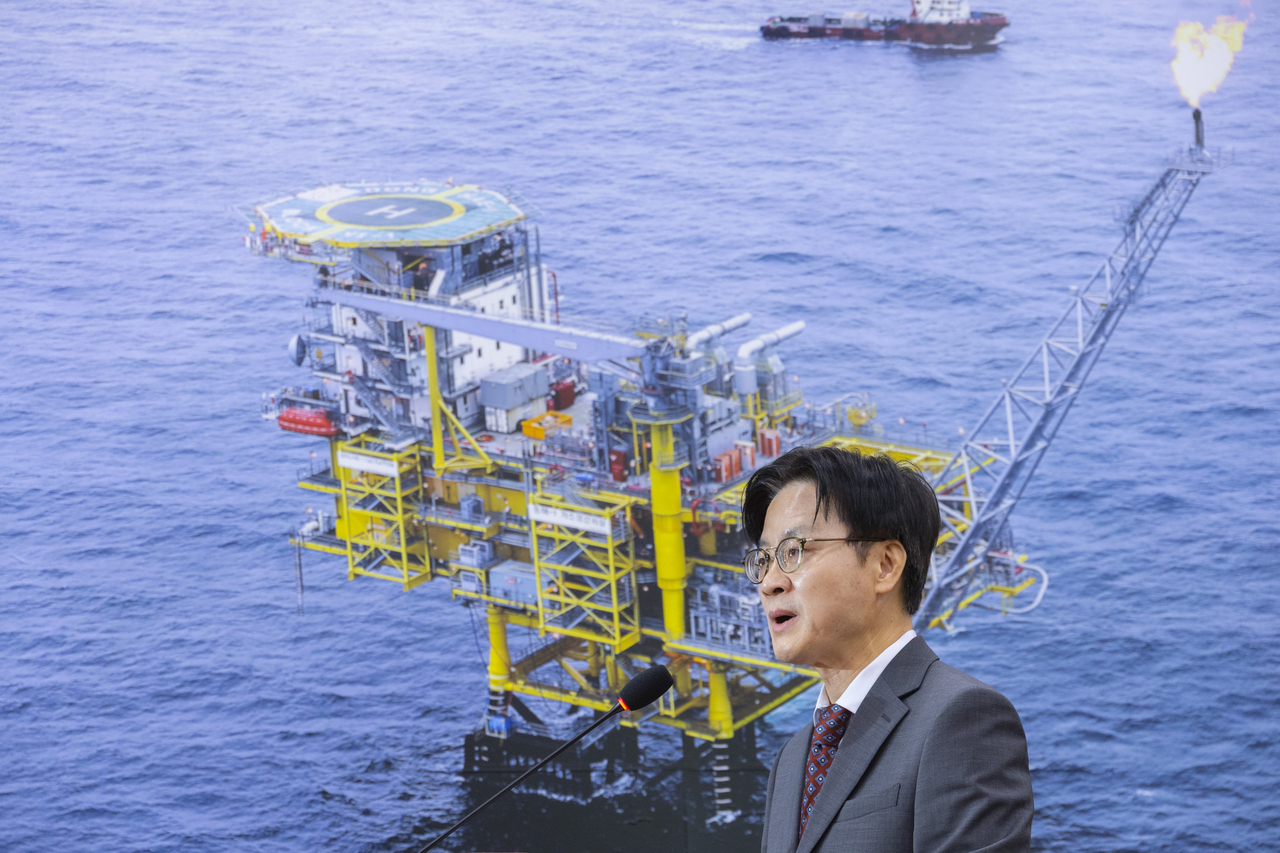
"Chinese nationals make up a large share of individual foreign tourists, and right now they cannot use rental cars," Park said. "If necessary, it might be worth considering, from a deregulation standpoint, whether we could allow them to drive after a short training session of a few hours."
The meeting was broadcast live, and Park's remarks sparked an immediate public dispute after they aired in full.
Jeju Island distanced itself from the proposal, saying it reflected Park's personal view and not the administration's official position. A Jeju Island official said easing rental car restrictions for Chinese tourists "has not been under review" and that the vice governor's suggestion was "a personal idea he raised as one possible way to boost tourism."
As the controversy grew, Jeju Island issued a statement on July 4 clarifying that "allowing short-term foreign visitors to drive is a matter that requires prior amendment of international road traffic conventions and inter-ministerial consultations, and cannot be decided by Jeju Island alone," adding that the island "will operate its administration with the safety of residents and the traffic environment as its top priority."
China is not a signatory to the Geneva Convention on Road Traffic, which restricts Chinese nationals from renting vehicles in South Korea. As a result, separate arrangements to allow Chinese tourists to drive have been a recurring topic of discussion.
In 2015, an amendment to the Jeju Special Act was pursued that would have granted Chinese tourists holding a Chinese driver's license the right to obtain a short-term temporary license on the island. The bill was shelved during the National Assembly's legislative review process after concerns were raised over road safety.
arin@heraldcorp.com