A parliamentary investigation hearing revealed that officers at the Army's 15th Division processed an absentee ballot — a system allowing voters unable to visit a polling station to cast ballots by mail from their place of residence — without consulting the National Election Commission, stripping one soldier of his right to vote.
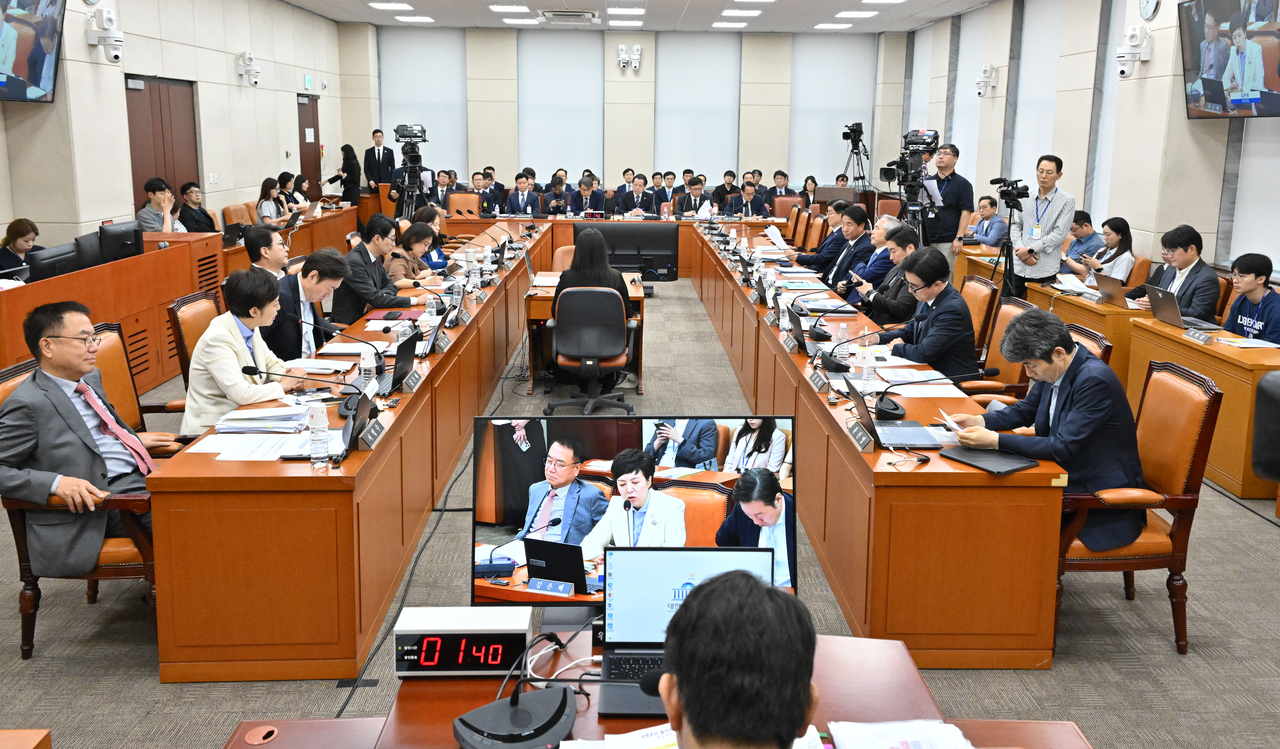
Democratic Party of Korea lawmaker Kim Seong-hoe questioned Kim Seong-jun, director of personnel and welfare at the Ministry of National Defense, at a hearing of the special parliamentary investigation committee on the ballot shortage during the 9th nationwide local elections and related violations of citizens' voting rights, held at the National Assembly on Wednesday.
Kim Seong-jun said the defense minister had ordered Army headquarters to conduct an internal inspection and that the Army submitted its findings on Tuesday. "New facts have come to light," he said.
According to Kim Seong-jun, Soldier A had mistakenly marked Soldier B's absentee ballot as his own. Soldier B, unable to cast an absentee ballot as a result, voted in person on June 3. During the subsequent processing of Soldier A's ballot, officers decided on their own — without contacting the National Election Commission — to treat the ballot as a return, citing concerns about double voting. The inspection confirmed no consultation with the commission had taken place.
Kim Seong-jun said the officer involved claimed to have discussed the matter with Soldier A and obtained his consent, but Soldier A testified that he had never agreed to the arrangement. It was confirmed that Soldier A had in fact been unable to exercise his right to vote, Kim Seong-jun said.
Lawmaker Kim pressed the official, asking whether officers had any authority to make such a decision without consulting either the National Election Commission or the soldier himself. Kim Seong-jun replied that they did not. "That should never have happened," he said.
Kim Seong-jun said the defense minister had directed the Ministry of National Defense's investigation agency to open a criminal investigation because accounts of the incident conflicted.
Lawmaker Kim said military officers appeared unprepared for election administration duties and lacked any operational manual, and demanded that the ministry report improvement measures to his office.
A separate comprehensive review by the Defense Ministry found 39 similar cases involving absentee ballots. Address errors were the most common problem, and some service members were unable to exercise their voting rights due to missing registration forms or problems during mail delivery.
However, the Defense Ministry said that in 38 of the 39 cases, voting rights were preserved through early voting or in-person voting at local polling stations.
The hearing once again exposed confusion in military election administration, including the 15th Division case, prompting calls for an overhaul of operational manuals and expanded training to protect service members' voting rights.
rimsclub@heraldcorp.com