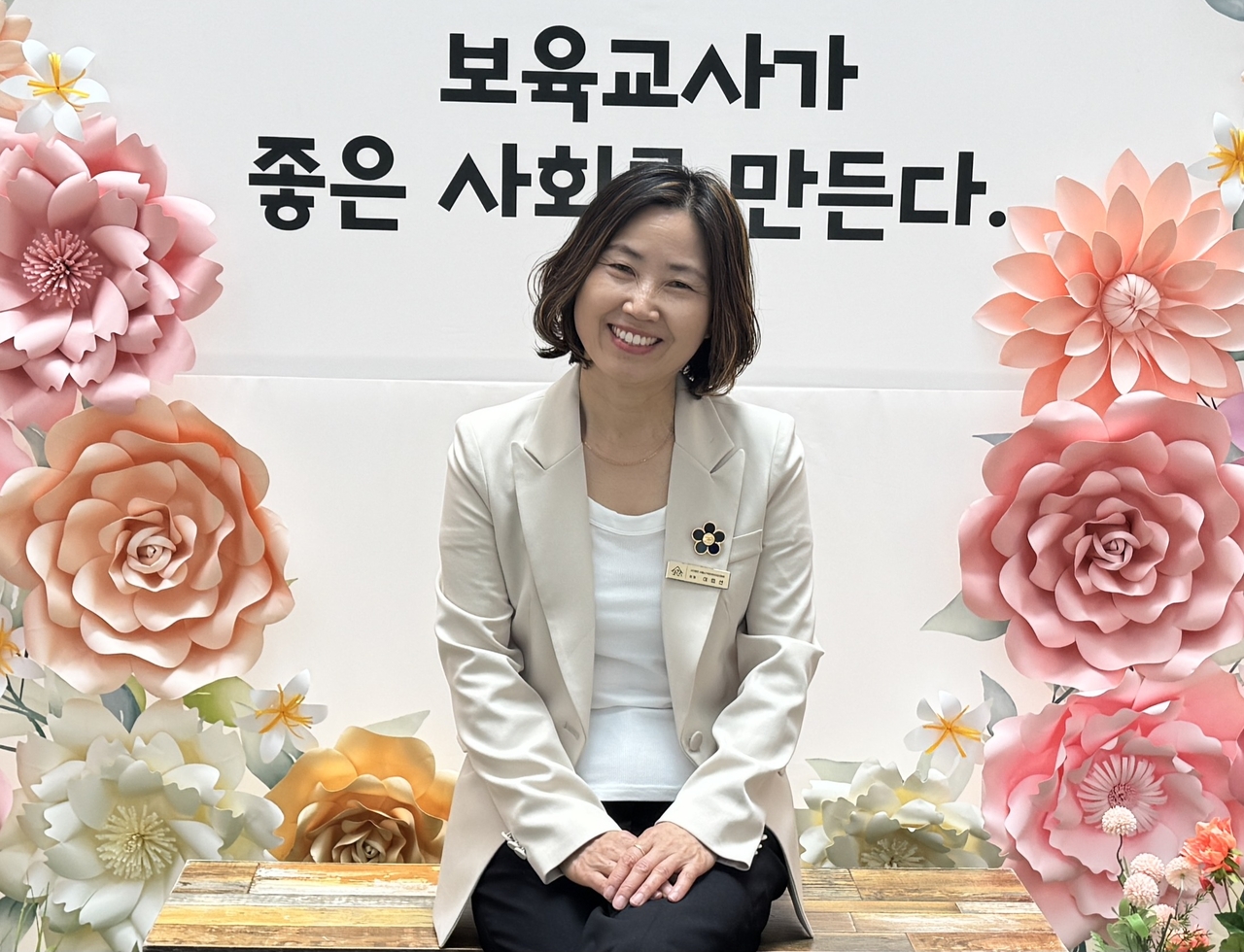
Amid a sharp decline in the infant population driven by the low birth rate, calls are growing for expanded national support for family childcare centers, which play a central role in infant-focused care. Lee Hee-sun, president of the Seoul Metropolitan Family Childcare Center Association, said "infant care is an investment in the future during an era of low birth rates," adding that strengthening the childcare foundation through realistic labor cost and operational support is urgently needed.
In an interview Tuesday, Lee said family childcare centers are "the front line of infant care, providing attentive support tailored to each child's temperament and developmental pace," and that "the childcare foundation must be firmly maintained so that infants can grow up healthy in an emotionally stable environment."
The Seoul Metropolitan Family Childcare Center Association currently operates under the slogan "Hope for Infant Care," carrying out a range of activities to improve the childcare environment at family childcare centers across Seoul and protect the rights of childcare staff.
Family childcare centers primarily serve infants aged zero to two. Located close to residential areas, they offer easy access and provide personalized care suited to each child's temperament and stage of development in a home-like setting — their greatest strength.
"Infancy is the period when physical, language and emotional development is most active, making careful observation and the formation of stable attachment bonds paramount," Lee said. "Teachers pay close attention to even the smallest changes in a child's expressions and behavior, helping them build basic life habits, social skills and self-esteem."
Close communication with parents is another key role of family childcare centers. Beyond offering individual consultations so that working parents can entrust their children with confidence, the centers also share and work through a range of parenting concerns that arise at home — from smartphone exposure to lifestyle habits.

'Realistic support needed to sustain infant care'
Operating conditions for family childcare centers have grown increasingly difficult as falling infant numbers, rising labor costs and mounting operational expenses converge. Practitioners widely agree that institutional support from the central government and local authorities is essential, as dedication alone is no longer enough to sustain quality infant care.
"Teachers and directors are holding the line on sheer sense of mission, but labor cost support must be made realistic to maintain the quality of care," Lee said. "Support for cooking staff, childcare assistants and facility improvement costs must also be expanded."
She noted that a shortage of cooking staff to prepare baby food, snacks and meals for infants has left many directors handling cooking duties themselves. If hiring dedicated cooks is not practically feasible, she said, serious consideration should be given to extending the daily working hours of childcare assistants from the current four hours to at least six.
The association has also been active in environmental initiatives alongside parents, in addition to its work on improving care quality. It has continued promoting carbon neutrality in everyday life — reducing wet-wipe use, encouraging reusable shopping bags and recycling milk cartons — while regularly conducting education on children's rights and abuse prevention to foster a safe childcare environment.
"A family childcare center is not simply a place where children are looked after — it is a community-rooted childcare institution where parents, staff and the local community raise children together," Lee said. "With the spirit that families and childcare centers are one team, we will keep building an environment where children can grow up healthy and happy."
7toy7@heraldcorp.com