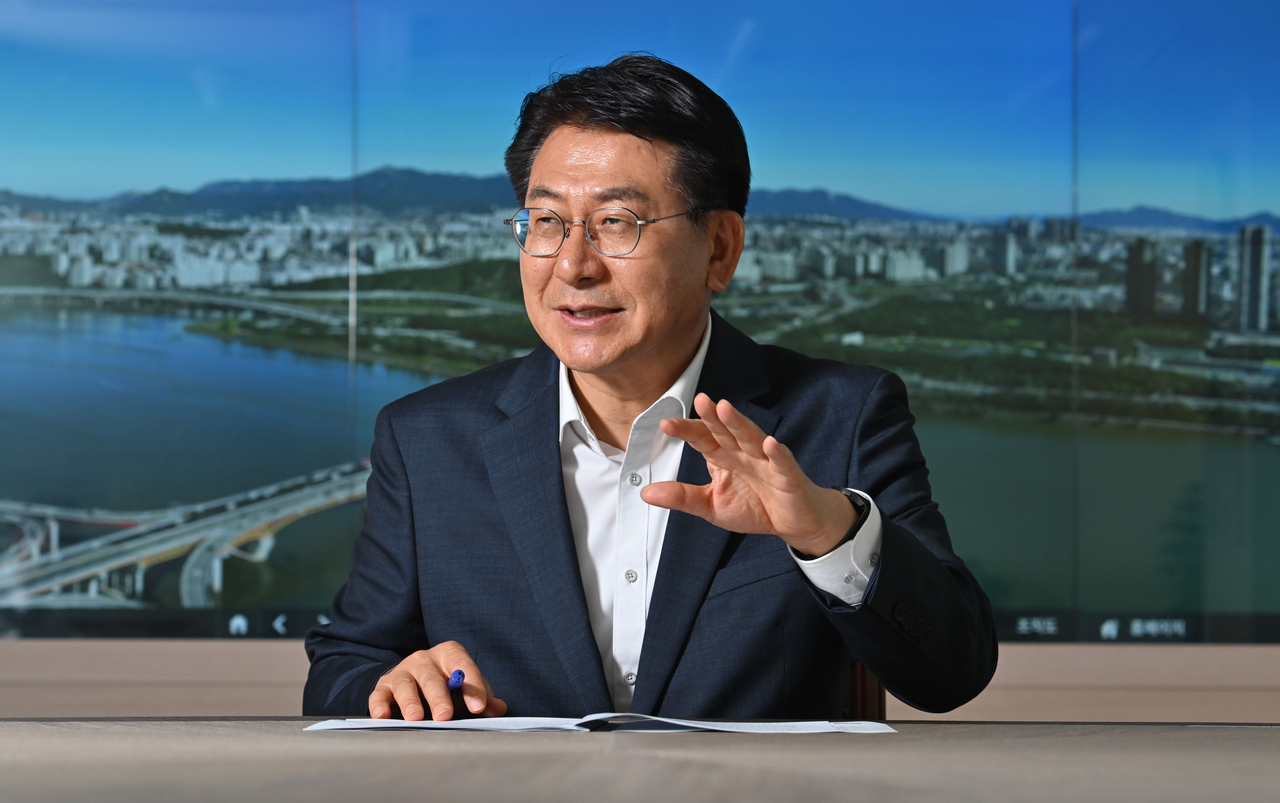
Seongdong-gu, buoyed by the success of Seongsu-dong, is preparing to reinvent itself as Seoul's center of K-culture. The district plans to build a 2,000-seat performance venue at Seoul Forest as the centerpiece of that ambition, while also presenting a blueprint to transform the Sampyo Remicon site into a 79-story supertall mixed-use complex and remake the Wangsimni Station area into a global business town. Yoo Bo-hwa, the district mayor leading Seongdong-gu in its ninth elected term, said she would pursue these major development projects alongside immediate fixes to the small everyday inconveniences that affect residents' quality of life.
An interview with Yoo was conducted Thursday at her office in the district building, covering the changes she envisions over the next four years. Yoo spent roughly 30 years at the Seoul Metropolitan Government from the 1990s through the early 2020s, serving in key departments including the Planning and Coordination Office and the Administrative Bureau. The following is an edited transcript.
— What were your thoughts upon taking office?
▶ The support I received through this election was more than a personal vote of confidence — I see it as a mandate to lead Seongdong-gu to a higher level of development, and that responsibility weighs on me more than any sense of celebration. Seongdong has grown into one of Seoul's most innovative districts and achieved remarkable results. Now is the time to build on that foundation and open the next chapter with energy. Residents' expectations of local government are higher than ever, so I believe it is more important to deliver real, tangible results than to pursue changes that merely look good. As district mayor for all of Seongdong's residents, I will put residents' lives first, keep every promise I have made, and devote all my energy to making Seongdong a place where people want to live their whole lives.
— You chose the creation of a "rapid redevelopment and reconstruction task force" as your first official act in office.
▶ Seongdong-gu has many areas designated for urban renewal, but a large number of them have yet to break ground. The single loudest message I heard from residents during the campaign was a plea to accelerate redevelopment and reconstruction. I felt I had to find a way to help as quickly as possible, because improving residents' living environment is a critical urban policy that raises the district's competitiveness and builds Seongdong's future value. To that end, I am establishing a rapid redevelopment and reconstruction task force reporting directly to the district mayor's office to serve as the control tower for renewal projects. The task force will operate an advisory system involving outside experts in urban planning and renewal, and will support projects through customized consulting for each site, mediation of resident disputes, and stronger coordination with relevant agencies — so that projects can move forward more systematically and at greater speed. We are currently recruiting a task force director, and I expect a seasoned expert with a Seoul Metropolitan Government background to fill the role. In addition, the Housing Renewal Division will be expanded and reorganized into a dedicated Rapid Renewal Promotion Division to further strengthen our administrative capacity. Seoul Mayor Oh Se-hoon also believes housing supply needs to be increased quickly, and I intend to communicate actively with the city government to secure its support.

— There are also major projects requiring cooperation with the Seoul Metropolitan Government — the Sampyo Remicon site, Seoul Forest and the Wangsimni Station area. How do you plan to work with the city?
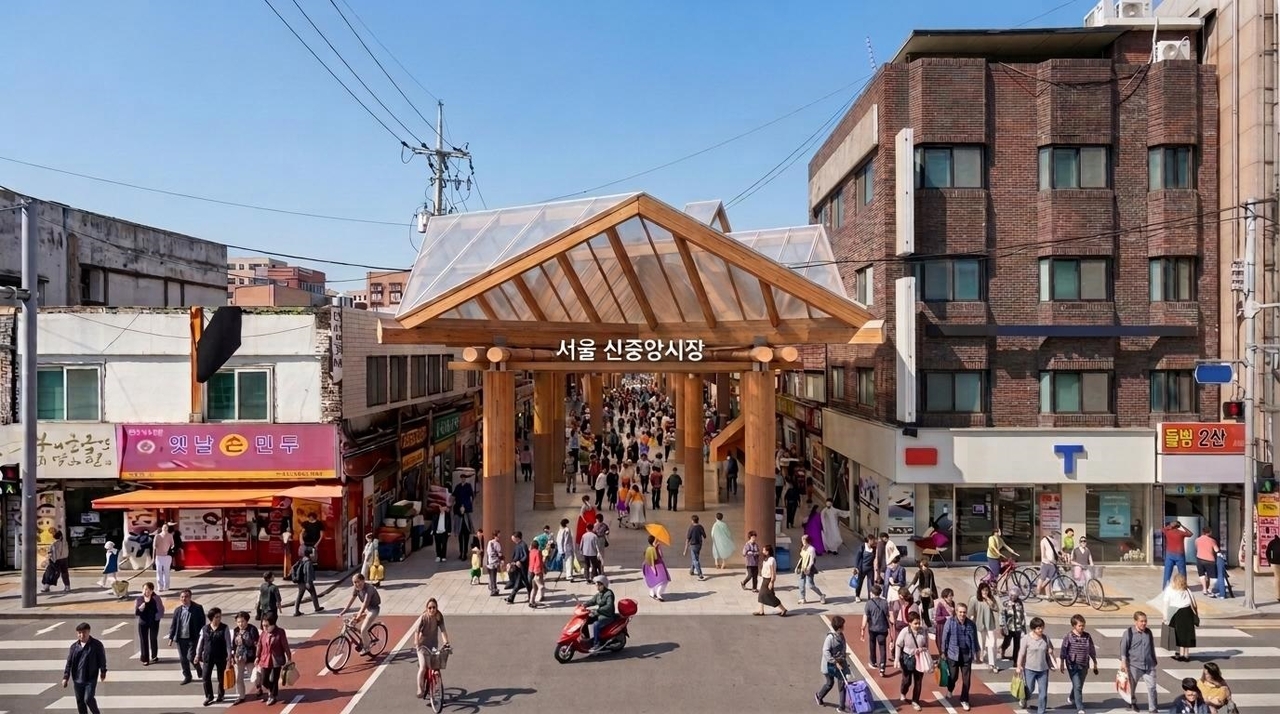
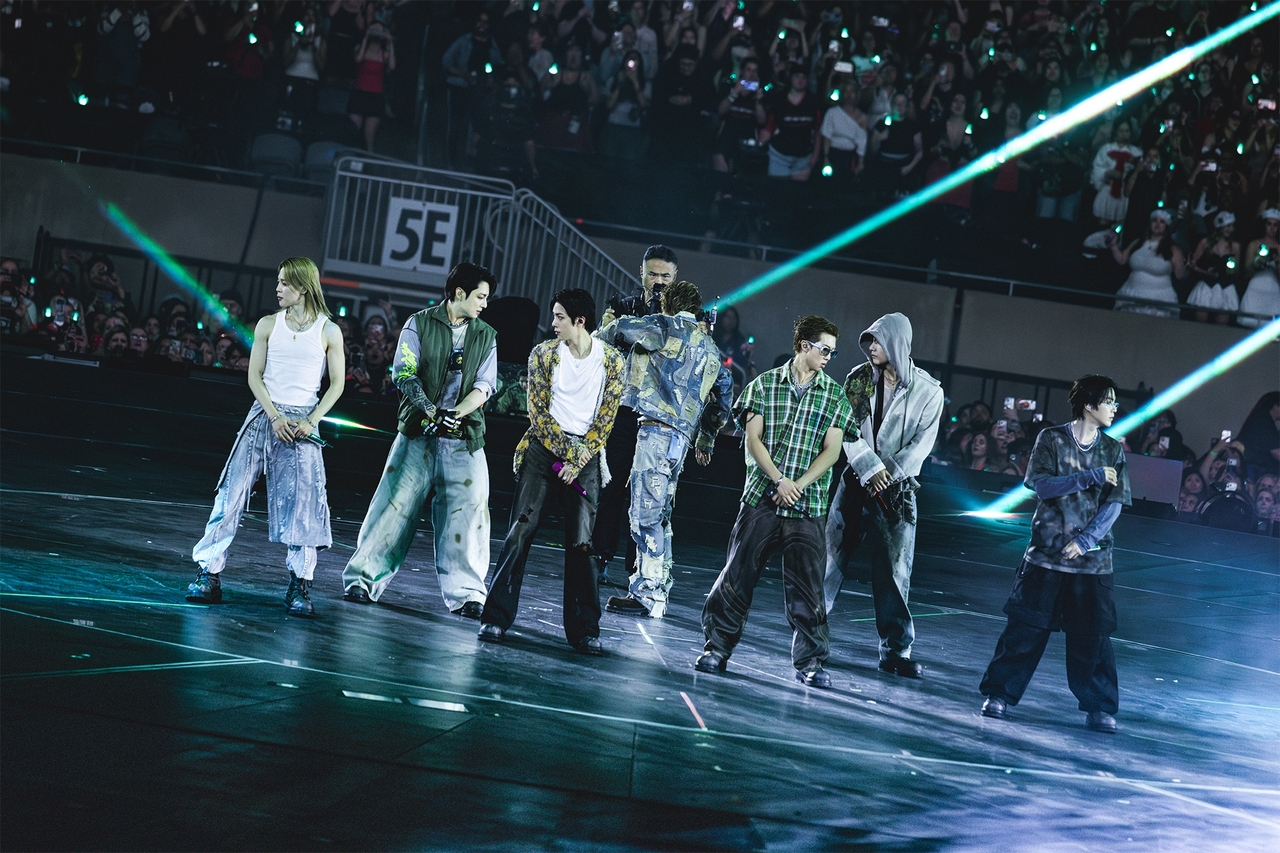
▶ Seongdong-gu stands at a critical turning point. Large-scale projects that will reshape the district's future — the Sampyo Remicon site development, the Seoul Forest area and the Wangsimni Station area — are all moving into full swing, so close cooperation with the Seoul Metropolitan Government is essential. The Sampyo Remicon site in particular is the key space that will determine Seongdong's future. An environmental impact assessment for the site is currently under way, and once that process is complete, early ground-breaking looks likely. We are thinking through what would be the best use of the public contribution component. Entertainment companies including SM Entertainment and Cube Entertainment are based in Seongsu-dong, and they have expressed a desire to hold performances there — but there is currently no suitable venue. I would like to see a performance venue built in Seongsu-dong to support K-culture, something on the order of 2,000 seats, on a site such as the Seoul Forest parking lot. I plan to put that proposal to the Seoul Metropolitan Government. The Wangsimni Station area also needs development. Although Wangsimni is a commercial hub, public institutions — including the Seongdong-gu district office and the Seoul Seongdong Police Station — are currently located there. Relocating those institutions and creating a global business town in their place was the vision of the previous district mayor, and I share it. The first step is to relocate the police station, which is in such poor condition that its underground parking lot has already been closed. I plan to work with the police on options such as moving to a site near Hanyang University. After the police station and the district office are relocated, I intend to develop the Wangsimni Station area into a business town.
— Your vision for the ninth elected term is "Seongdong, a place where people want to live their whole lives." What does that require?
▶ Residents tell me that Seongdong-gu does not have enough middle schools, so families with upper-elementary-school children end up leaving for Gwangjin-gu, Gangnam-gu and other districts to find a school. Solving the middle school shortage quickly is a priority. I am thinking about redistricting schools and consolidating them to increase enrollment. The authority over those educational decisions rests entirely with the education office, which limits what the district can do — but because residents have consistently raised this issue, I will do everything I can to address it. 'A city where people want to live their whole lives' means education, but residents also want culture and sports. I want to build a city where cultural activities are accessible everywhere and sports facilities are close at hand. That requires space, and I have my eye on the Jungnang Sewage Treatment Plant water reclamation center. It has been operating for more than 50 years, and residents have long borne the burden of living near it. It is time for them to be compensated. Underground construction to move the sewage treatment operations below ground is already under way. In step with that work, I intend to propose to the Seoul Metropolitan Government that the freed-up surface space be turned into a second Seoul Forest, filled with a variety of cultural and sports facilities.
— What are your ambitions for your four-year term?
▶ Over the next four years, the grand urban visions matter, but what matters most is protecting residents' lives and safety, making sure daily life is free of inconvenience, and responding quickly when residents raise a concern. I want to give residents clean, comfortable spaces — streets that do not smell, sidewalks that are easy to walk on, paths that are accessible to wheelchair users. I hope to be remembered as a district mayor who made life a little easier while she was here.
ikson@heraldcorp.com