Yangcheon-gu (district mayor Lee Gi-jae) said its "Yangcheon-type Integrated Care" project, launched in step with the March enactment of a law on integrated community care support covering medical and long-term care services, has now passed the 100-day mark and is gaining momentum in establishing a community-centered care system.
The Yangcheon-type Integrated Care program is designed to help elderly residents and people with disabilities who struggle with daily life due to frailty, illness or disability continue living healthy, stable lives in their own communities by connecting them with integrated health, medical, care and residential support services.
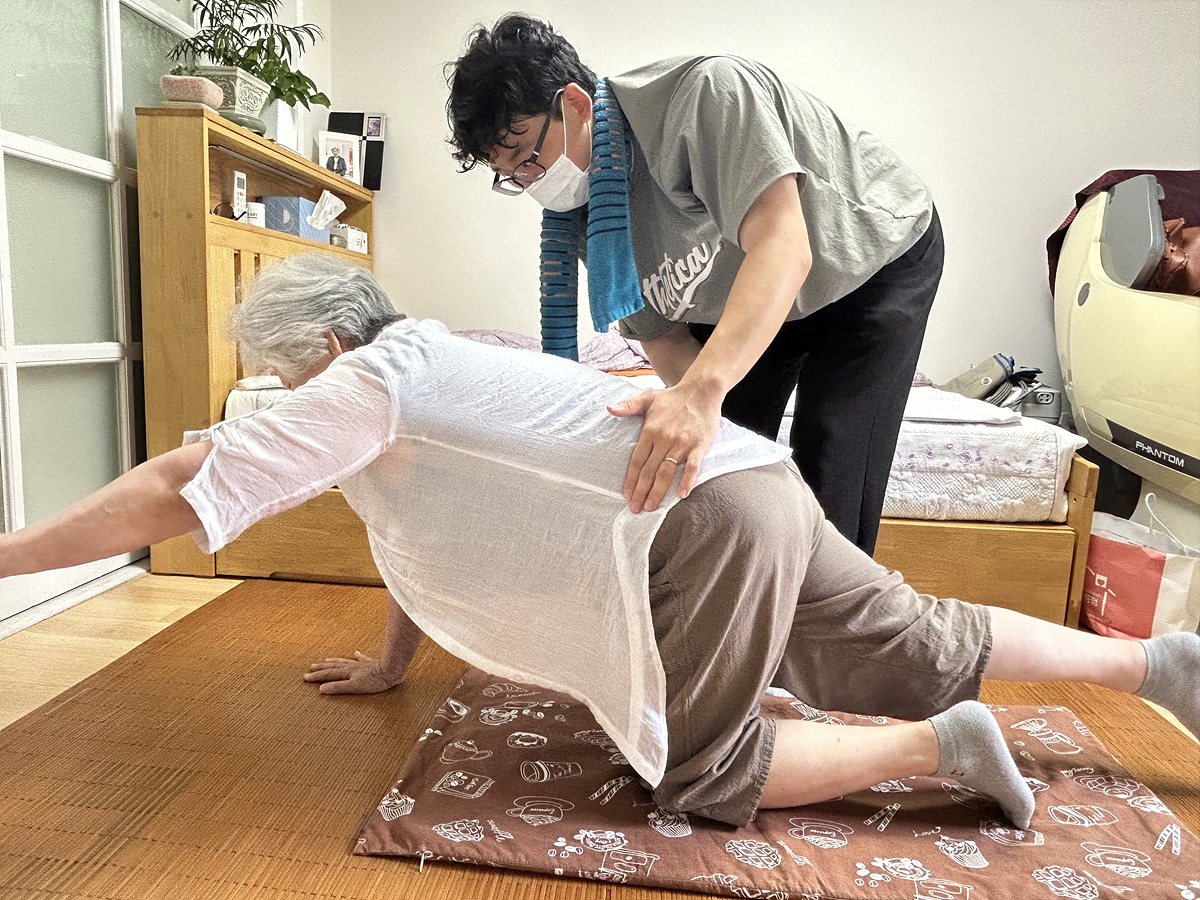
The district operates 34 basic service connections — including home medical visits, home nursing, psychological support and household assistance — alongside eight district-specific programs: home exercise guidance, Y Oriental Medicine Family Doctor, post-discharge integrated care linkage, medication safety care and the Ddokddok Yangcheon home repair service. To date, 531 residents have applied and been registered, resulting in 1,294 tailored integrated care service connections.
Building a Continuous Identification System Through Intensive Outreach and Field Worker Training
From May through July, the district carried out intensive outreach targeting priority care recipients — including long-term care benefit users, recently discharged patients and elderly people with disabilities — while training frontline workers who have the closest direct contact with care recipients, in order to build a standing identification system.
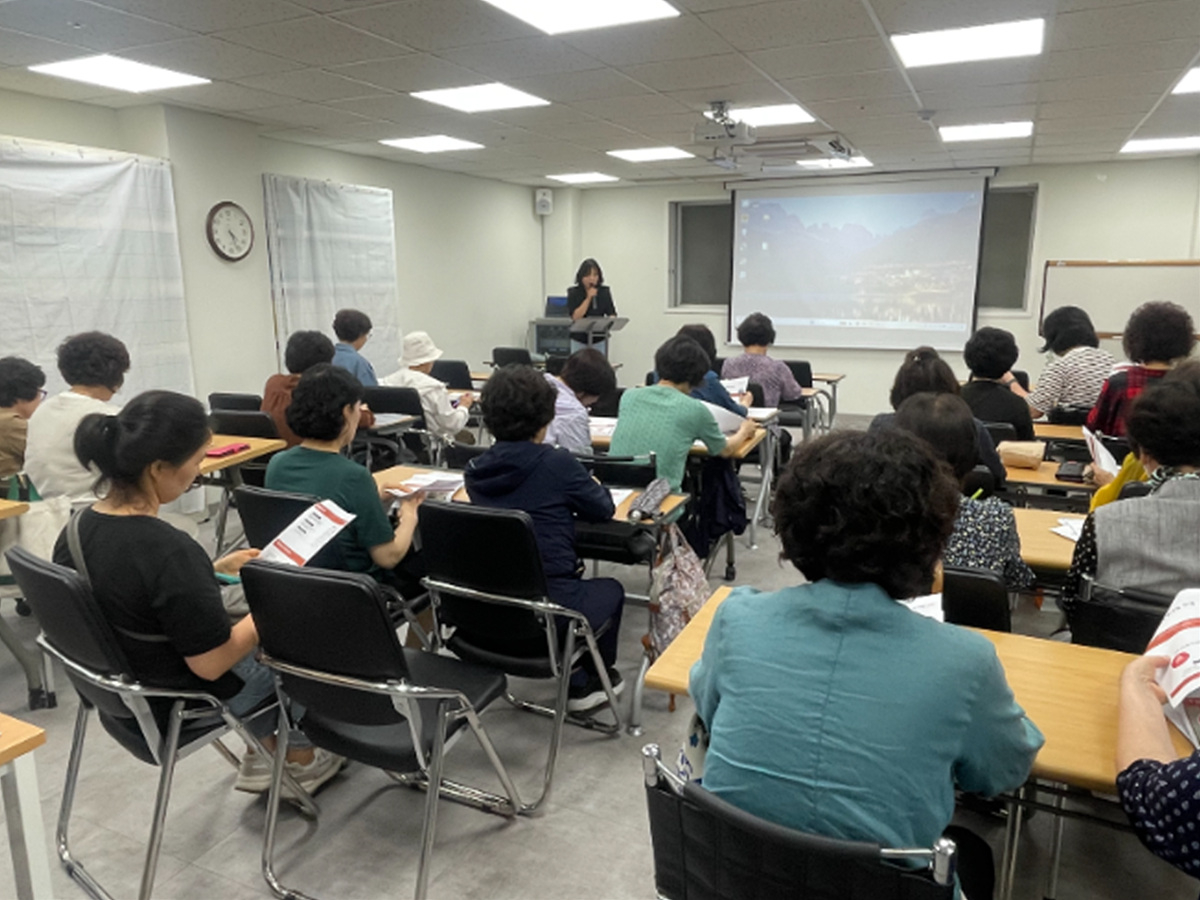
The district conducted "outreach integrated care field training" for 140 lifestyle support workers and 300 care assistants, then ran "integrated care practical training" for 62 staff members at community welfare centers and home-based long-term care institutions within the district, sharing service connection procedures and cooperative frameworks to strengthen the capacity to identify residents falling through the welfare safety net.
Resident-Centered Yangcheon Specialty Programs Gain Traction as Community Care Takes Root
The district's specialty programs are also progressing steadily. The home exercise guidance program has been particularly active, with 95 participants and a service connection rate of 103 percent against its target — making it the most widely used of the 42 integrated care services on offer. Close behind are the Y Oriental Medicine Family Doctor program, in which doctors of Korean medicine and nursing staff make home visits (72 cases), and the public-private cooperative integrated care program, which involves community welfare centers and other private institutions (57 cases). Both have drawn strong uptake and are establishing themselves as community-tailored care services.
By category, daily living care — encompassing home care, meal support and hospital accompaniment — recorded the highest volume at 394 cases, followed by health and medical services at 366 cases, health management at 254 cases and residential support at 158 cases. By responding to a wide range of care needs spanning medical and health management through to meals and mobility, the program connects residents with tailored services and enhances the effectiveness of community-centered integrated care.
A resident in their 70s living in Sinwol 3-dong underwent liver cancer surgery two years ago and continues to make regular outpatient visits for treatment. After the operation, even basic daily tasks — preparing meals and traveling to and from the hospital — became a burden. The district's "home health management" service proved to be a significant source of support. "Thanks to the regular visits to my home, I have been able to keep a consistent check on my health," the resident said. "Being able to continue my life in a familiar environment has been the greatest help, and I felt reassured knowing that the community, not just myself, was looking after me."
The district plans to continue its intensive outreach with a target of 1,840 priority care recipients, while strengthening cooperation with community institutions — including neighborhood community centers, welfare centers and long-term care facilities — to further expand its community-centered integrated care system.
It also plans to maintain its public-private cooperative network of lifestyle support workers and others, ensuring that residents in need of care can be swiftly connected with tailored services at the right time.
"Integrated care goes beyond simply providing welfare services — it is a new care system that helps residents live with dignity in the communities they know," district mayor Lee said. "We will continue to strengthen the foundation of integrated care built together with the community, so that any resident who needs care can lead a safe and healthy life in the place they call home."
seouldream01@heraldcorp.com