Since President Lee Jae Myung declared that "peace is a benefit," mayors and county chiefs in South Korea's border regions have been stepping up engagement with the central government and the National Assembly, crossing party lines to push for concrete peace policies.
Gangwon Special Self-Governing Province, led by Governor Woo Sang-ho, formally asked the Ministry of National Defense on Monday to lift or ease military restrictions on areas accounting for 1.7 percent of the province's total military protection zones.
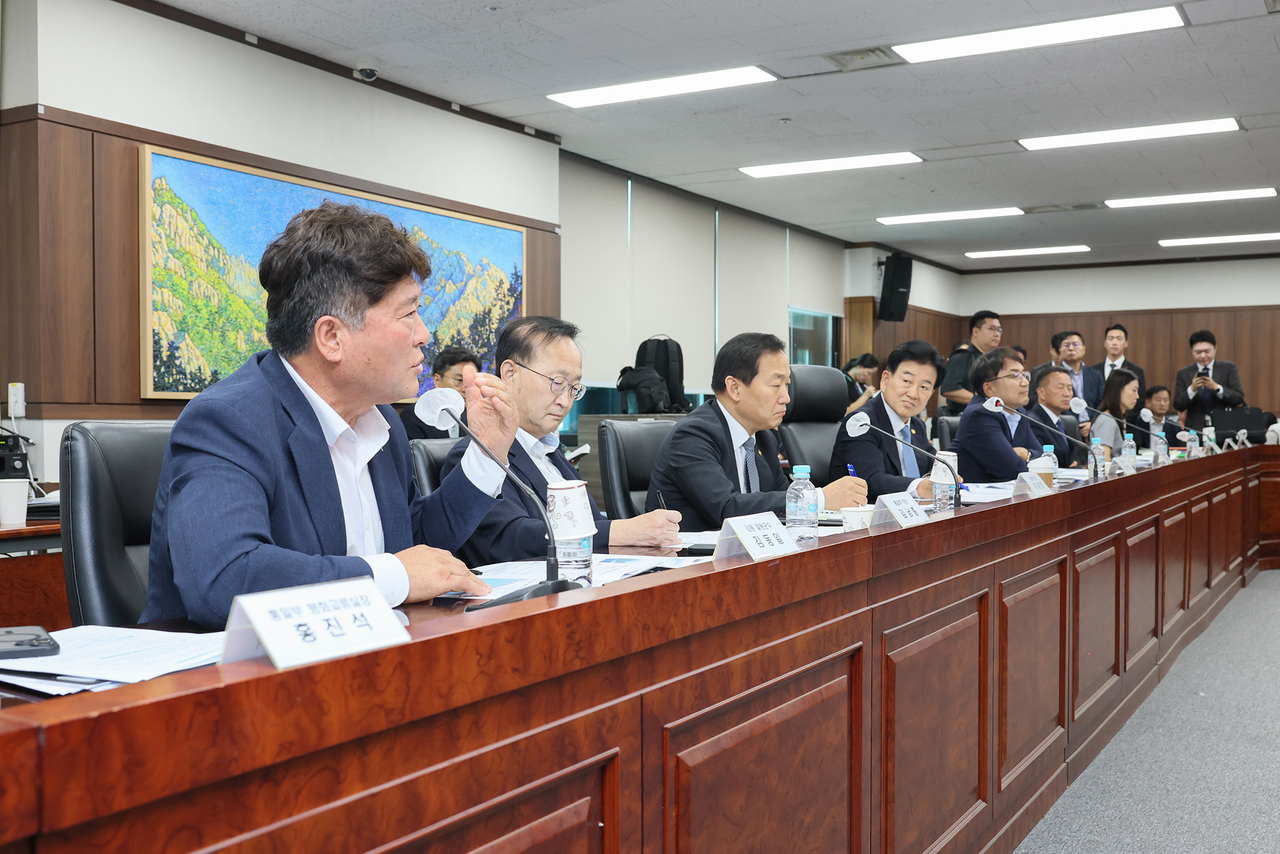
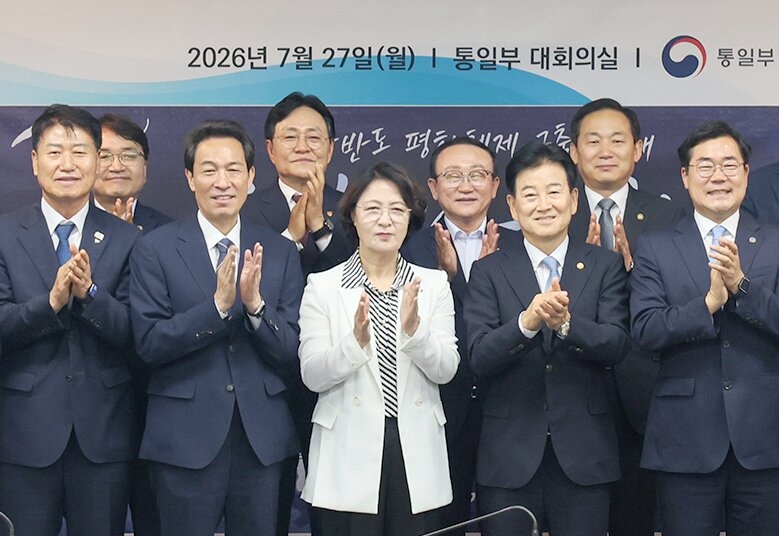
Cheorwon-gun chief Kim Dong-in and the heads of four other border counties in Gangwon Province met with the Ministry of Unification on Monday morning to discuss turning peace policy into reality.
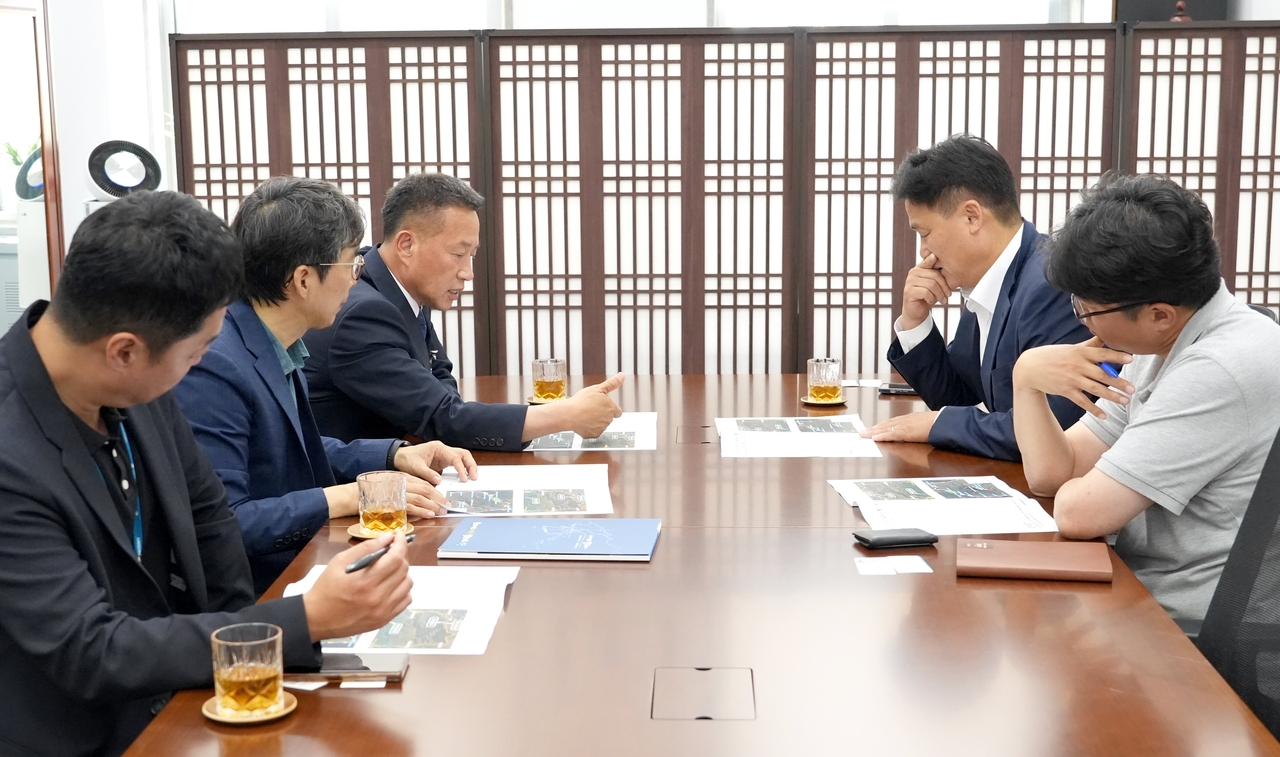
Among them, Yanggu-gun chief Kim Wang-gyu met Monday afternoon with Kim Yeong-jin, chairman of the National Assembly's Committee on the Interior and Safety.
Kim asked the committee chairman for the Assembly's active attention and support on key Yanggu-gun issues, including pushing the Civilian Control Line further north, easing military restrictions around Andae-ri airfield, and widening National Route 46 to four lanes at a bottleneck section.
Kim also outlined the need for projects essential to regional development and reducing residents' inconvenience, and asked for cooperation to ensure those initiatives move forward smoothly.
Meanwhile, following President Lee's remarks on establishing peace in border areas, the Democratic Party swept four of the five border counties in Gangwon Province in the June 3 local elections. In the remaining county, the incumbent — affiliated with the opposition party — narrowly held off a ruling-party challenger.
The results suggest that voters in Gangwon Province are increasingly receptive to making peace policy real over stoking confrontation — a dynamic likely to shape the region's political landscape going forward.
abc@heraldcorp.com