
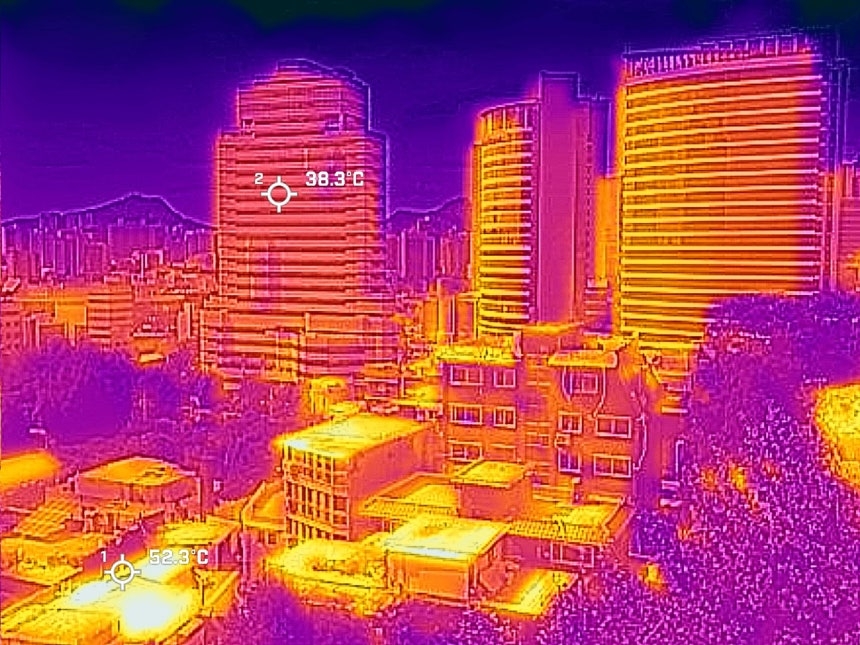
Summer heat is getting harder to bear
With the monsoon season winding down, the full force of summer heat has arrived. Heatwaves return every year, yet they never seem to get easier to endure — and the refrain "this is the hottest year yet" has become almost routine.
That feeling is not just in people's heads. As climate change pushes up the Earth's average temperature, the mean summer temperature in South Korea has been rising along with it.
But the number on the thermometer does not fully capture the suffering people actually feel.
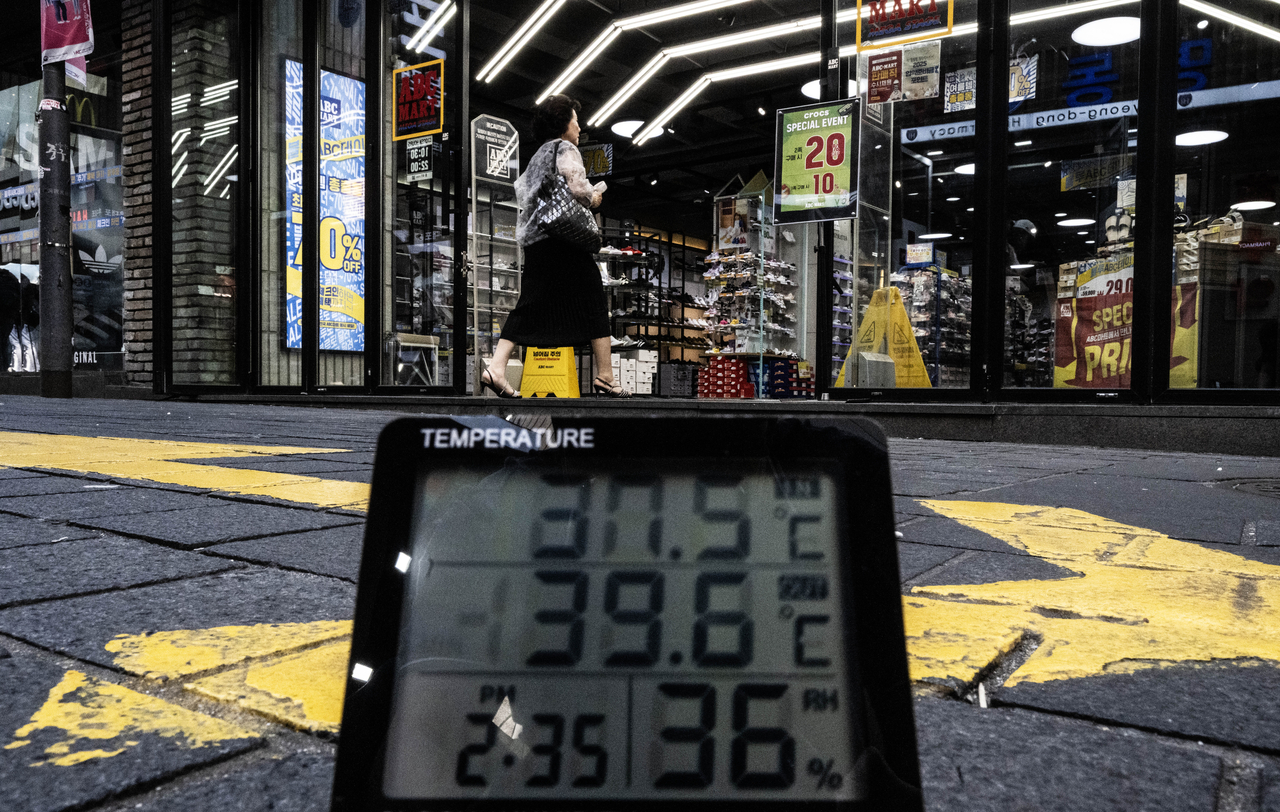
The biggest problem with summer weather right now is the moisture the air carries. Korean summers have always been hot and humid, but the intensity of that humidity is growing.
Since the 2020s in particular, the intensity of summer humidity has increased noticeably.
This, too, is a consequence of climate change — meaning that every summer, conditions are becoming harder for people to endure, beyond a simple rise in temperature.
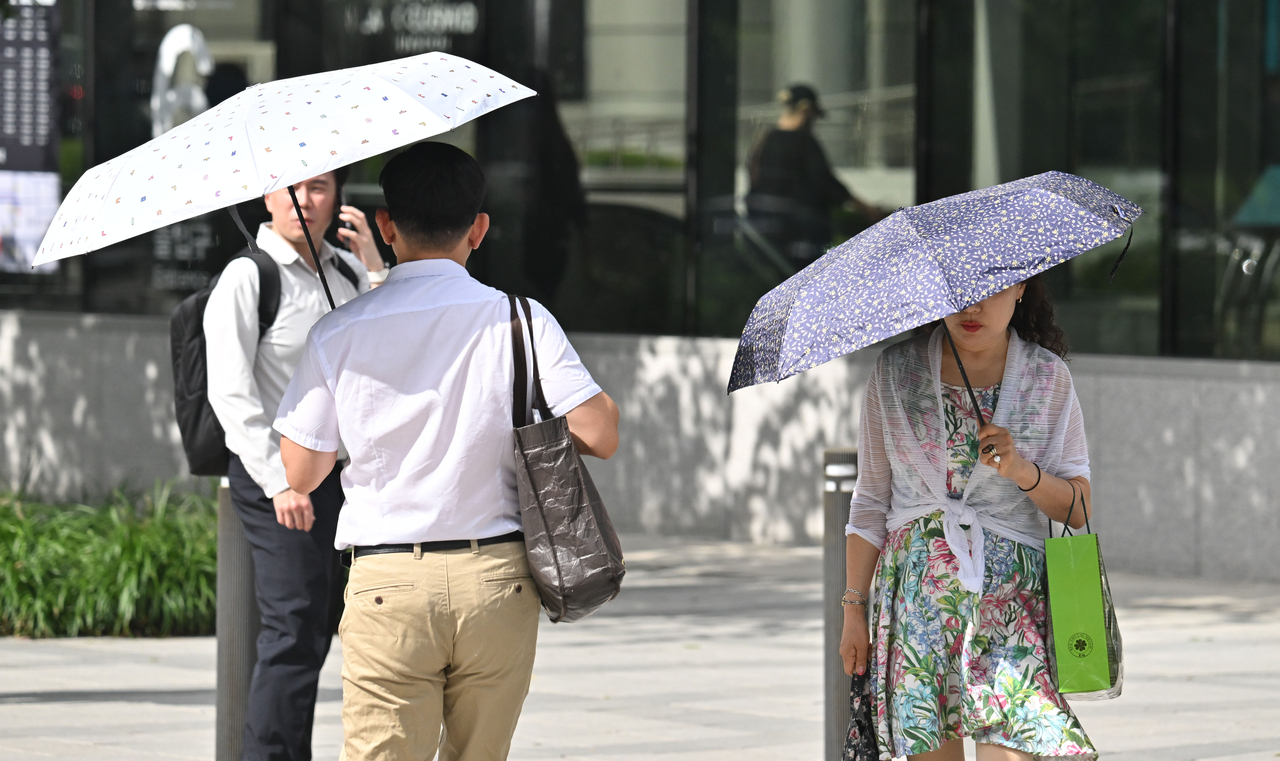
An analysis of monthly temperature data from the Seoul weather station — based on Korea Meteorological Administration Automated Synoptic Observing System (ASOS) records going back to the 1980s — found that Seoul's average summer temperature (June through August) in the 2020s (2020–2025) was 25.91 degrees Celsius, up 0.52 degrees from the 2010s average of 25.39 degrees.
The upward trend has been consistent. The average summer temperature in the 1980s was 23.85 degrees — about 2.06 degrees lower than the 2020s average. In plain terms, summer temperatures have risen by roughly 2 degrees over the past 40 years and by about 0.5 degrees over the past decade.
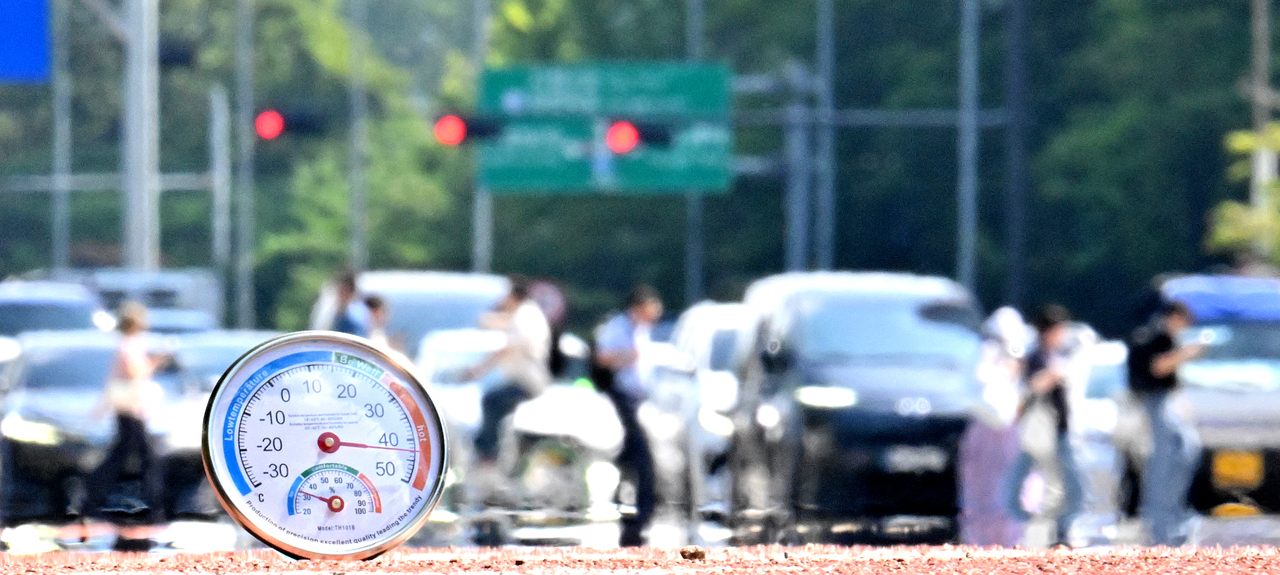
A 0.5-degree rise in overall temperature is far from trivial. Yet when measured against the heat people actually feel, the number can seem hard to accept — because perceived heat does not reflect temperature alone.
In fact, the temperature Seoul residents feel has risen by a considerably larger margin, driven by a sharp rebound in humidity indicators.
Seoul's average relative humidity in summer climbed from 68.77 percent in the 2010s to 74.39 percent in the 2020–2025 period, a rise of 5.62 percentage points. Vapor pressure — a measure of the actual amount of water vapor in the air — is estimated to have increased by about 12 percent. Compared with past summers, the air now contains more moisture on average.
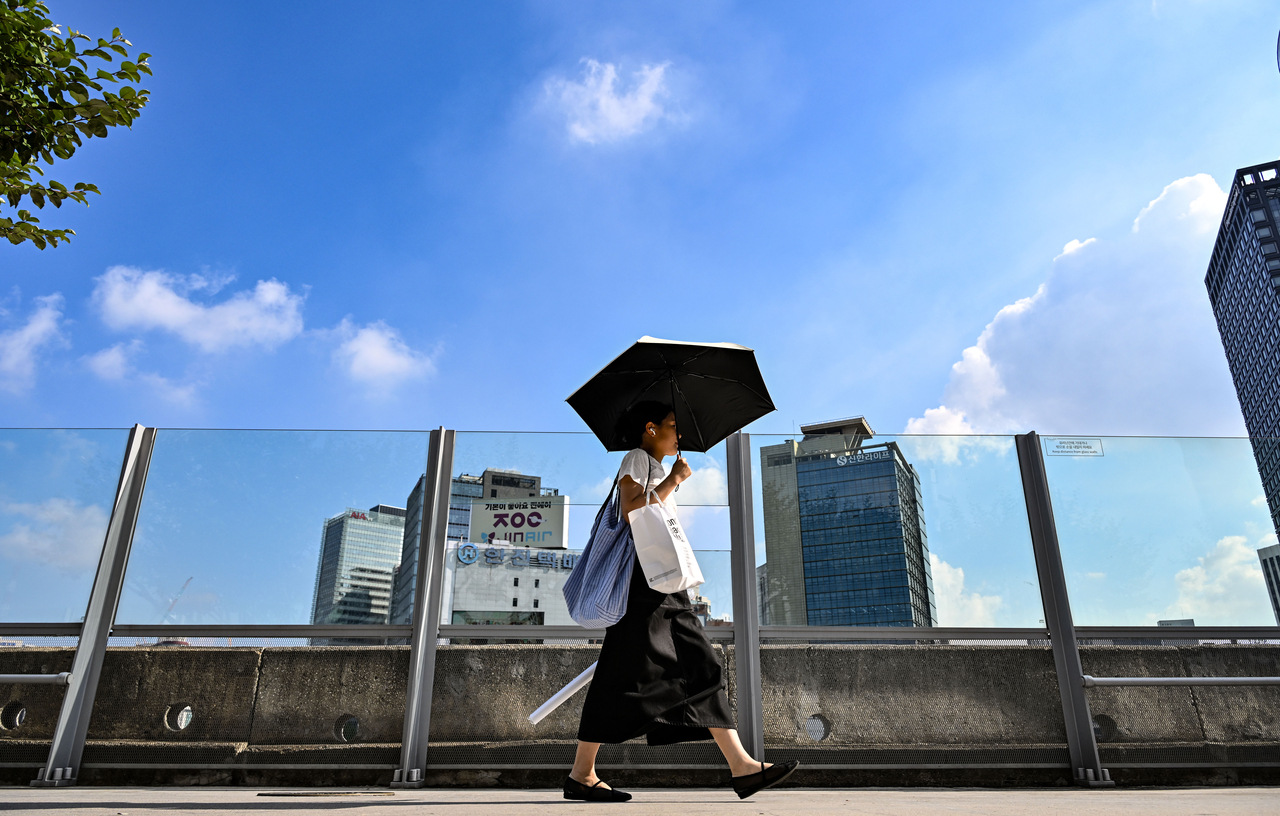
The dew point temperature, which is closely linked to perceived heat, also rose by about 2 degrees over the same period — from 18.58 degrees to 20.55 degrees Celsius. The dew point is the temperature at which water vapor in the air becomes saturated and condenses into droplets. Unlike relative humidity, it is less affected by changes in air temperature and more directly reflects the actual amount of water vapor present.
When the dew point is high, sweat evaporates poorly, increasing discomfort. Generally, a dew point above 16 degrees begins to feel somewhat humid; the 18–20 degree range marks the onset of noticeable discomfort; and above 20 degrees, the body struggles to shed heat through perspiration.
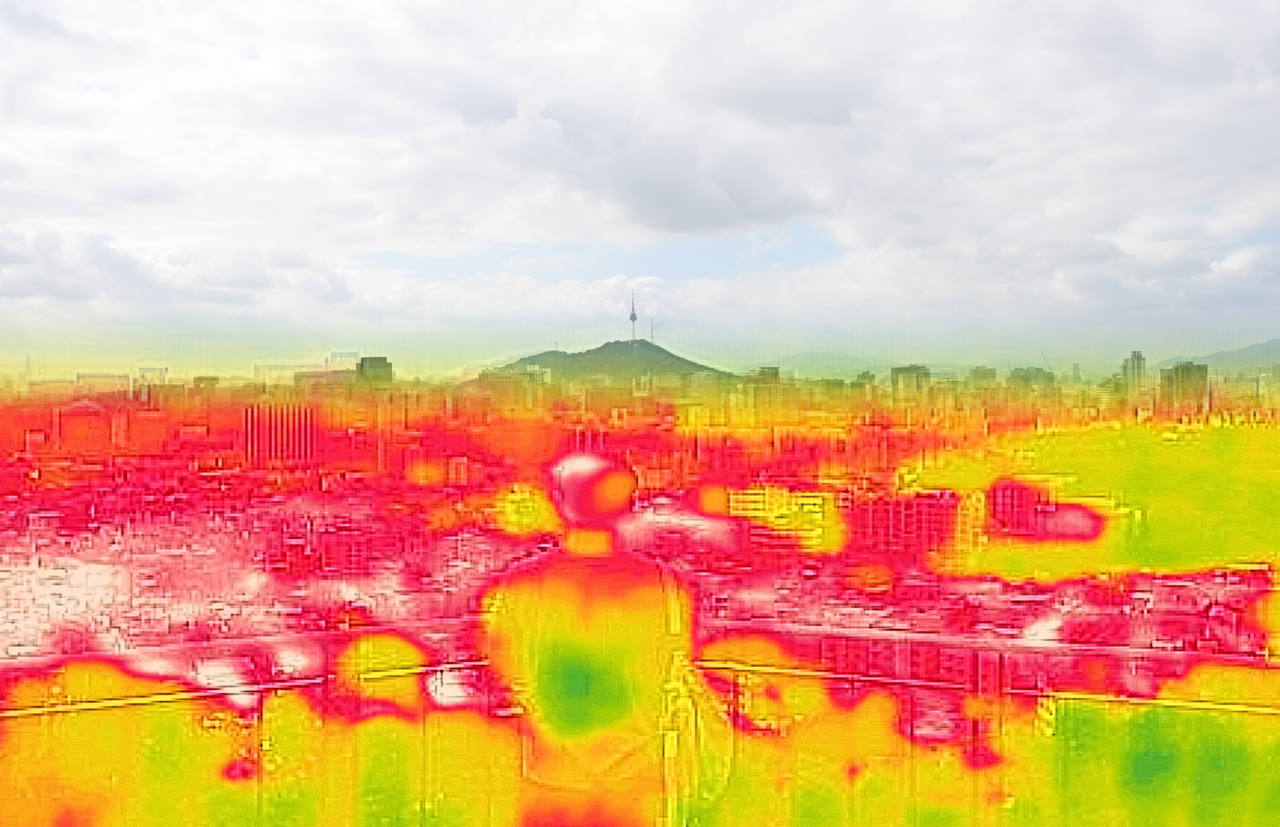
In short, people have been experiencing a level of oppressive heat that goes beyond what the temperature rise alone would suggest — a level that was rarely encountered before. In recent years, the actual atmospheric water vapor measured in Seoul has reached the highest levels on record.
Ranking Seoul's average summer dew point temperatures from highest to lowest since 1980, the top five are: 21.03 degrees in 2025, 21 degrees in 2023, 20.83 degrees in 1994, 20.73 degrees in 2022, and 20.7 degrees in 2024 — meaning four of the five highest readings have occurred in the past four years.
The intensification of summer humidity is also inseparable from climate change and rising temperatures. As climate change warms the oceans and the atmosphere, water vapor evaporates more readily from the sea surface, and the atmosphere's capacity to hold moisture increases.
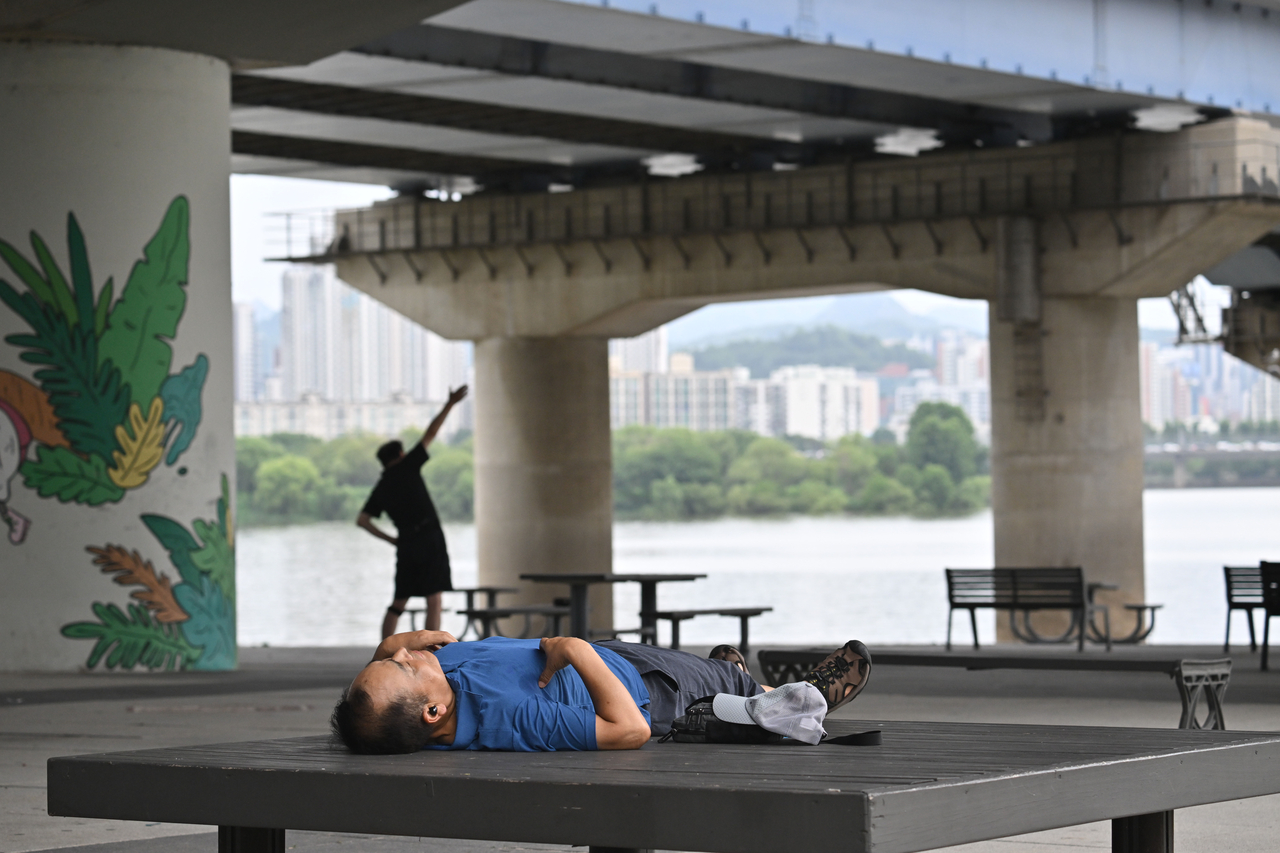
According to the Sixth Assessment Report of the Intergovernmental Panel on Climate Change (IPCC), a UN body, when relative humidity remains constant, a 1-degree rise in temperature increases the amount of water vapor in the air by about 7 percent. Observational evidence of rising atmospheric water vapor levels continues to accumulate on a global scale.
It cannot be said with certainty that Seoul's humidity will rise uniformly every year as climate change continues. But if temperatures keep climbing at the current pace, atmospheric moisture is also likely to increase — and with it, the heat people feel each summer. Summers could grow progressively stickier and more unpleasant.
Meanwhile, under a scenario in which greenhouse gas emissions continue at roughly current levels, the Korea Meteorological Administration's Climate Change Impact Map projects that the number of extreme heat days in Seoul will grow from 31 days per year in the current period (the 2020s) to 115.6 days by the 2090s — meaning roughly one in every three days would bring extreme heat.

woo@heraldcorp.com





