Seoul's Nowon-gu has become the first district in the country to run a metabolic syndrome management program using MBTI personality assessments, with more than 90 percent of participants showing improvements in key health indicators.
The program, called "Hyeolgan Bieum" (Vascular Cleanse), targets high-risk metabolic syndrome residents at the Madl Lifelong Health Management Center. It integrates exercise, nutrition and psychological support to help participants build healthier habits and improve their health metrics.
Its defining feature is the use of psychological assessments — including the MBTI personality test — to tailor health management to each participant's individual character and temperament. The program has been running since 2023 and is now in its eighth cohort. This year, the district strengthened its psychological support component to reflect the impact of mental well-being on physical health.
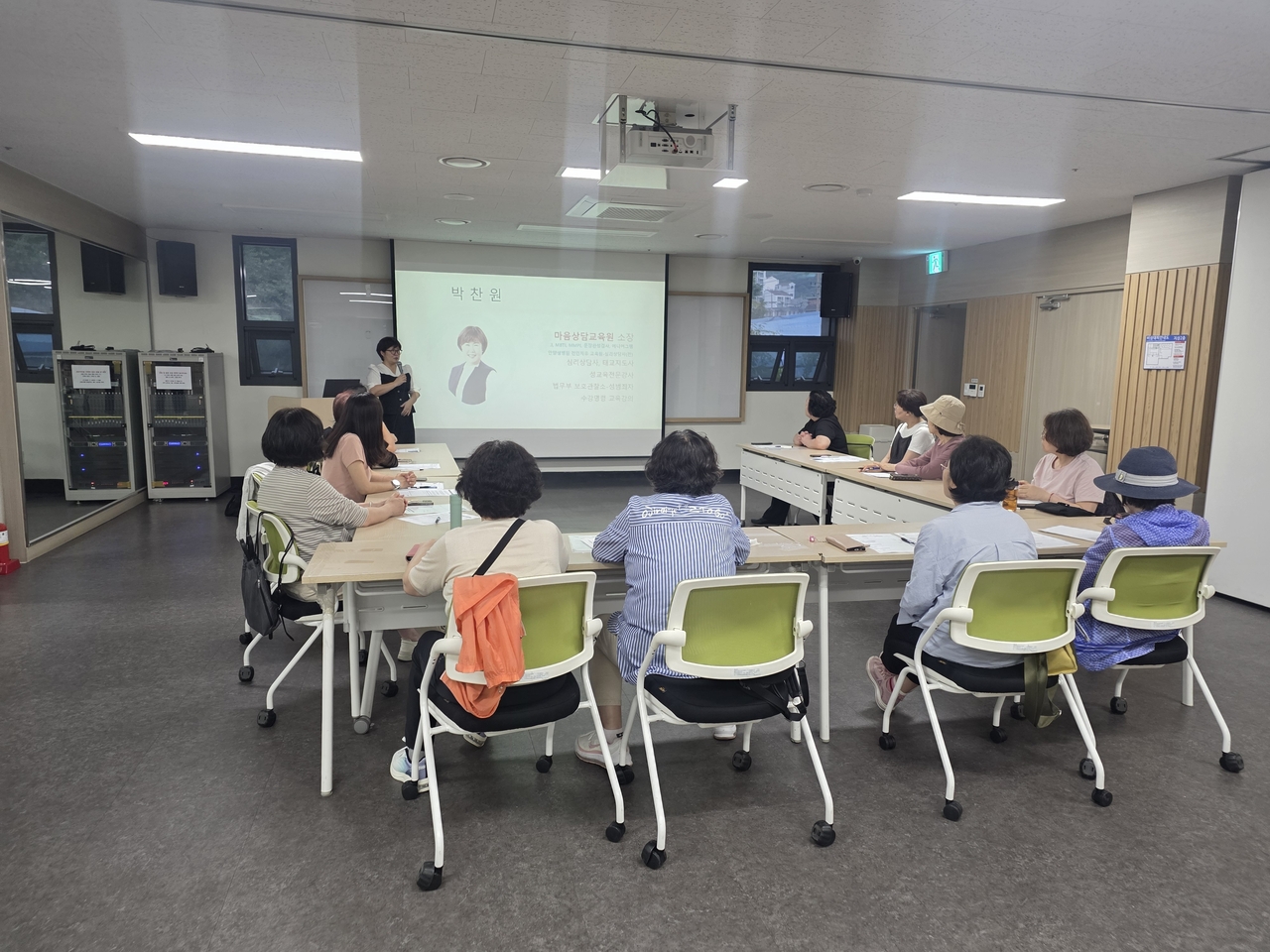
Before the program begins, participants undergo metabolic syndrome screening alongside the MBTI, the Temperament and Character Inventory (TCI) and the VIA Character Strengths assessment. A professional counselor analyzes the results to identify each person's tendencies and strengths, recommends a tailored health management approach, and provides counseling on the psychological challenges that arise during the process. For example, extroverted participants are encouraged to join group exercise sessions, while those who struggle with following through on plans receive ongoing feedback to keep them motivated.
Exercise and nutrition management are also personalized. A licensed physical therapist leads weekly sessions covering posture correction and both aerobic and strength training, while a health manager oversees individualized meal plans based on each participant's condition. Participants share their daily meals and workout logs in an online community, encouraging one another to stay on track.
During the program, participants can also receive one-on-one health consultations, blood glucose tests and body composition measurements as mid-program check-ins. After completing the program, participants form self-help groups to sustain their healthy habits.
The results are reflected in the numbers. Of the 72 participants who completed both pre- and post-program assessments, more than 90 percent showed improvements in body composition and blood test results. Key metabolic syndrome indicators — including body fat percentage, waist circumference, total cholesterol, triglycerides and fasting blood glucose — all declined across the board.
Nowon-gu District Mayor Seo Jun-o said preventing metabolic syndrome requires a personalized approach that accounts for both individual characteristics and psychological state. "We will continue to expand Nowon's specialized health management programs so that residents can consistently manage their health in their everyday lives," he said.
seouldream01@heraldcorp.com