Test drive: Polestar 4 Coupe Rear Motor trim
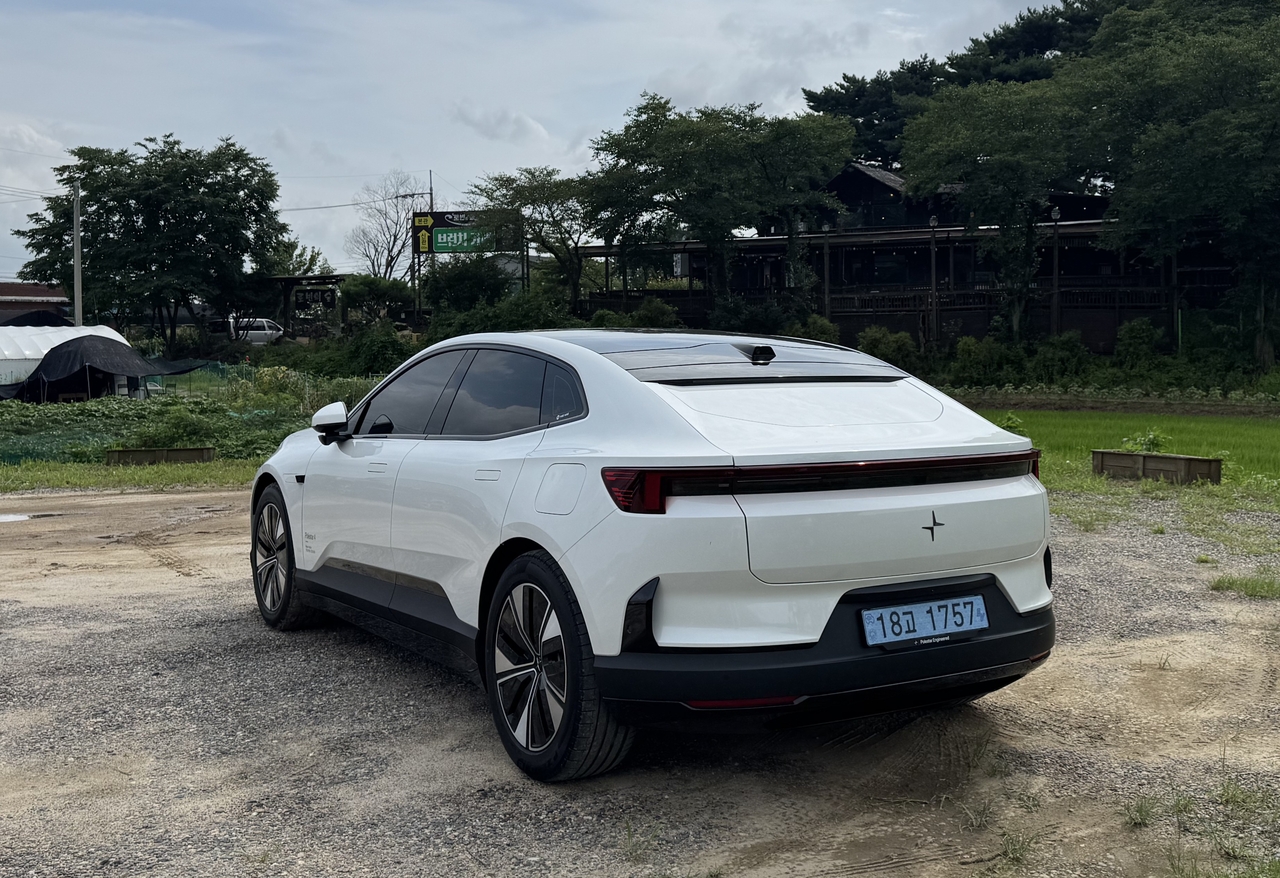
Cleaner emblem, bolder door lettering for 2027
No rear window, but more headroom and a sense of space
Harman Kardon sound with per-seat mute function
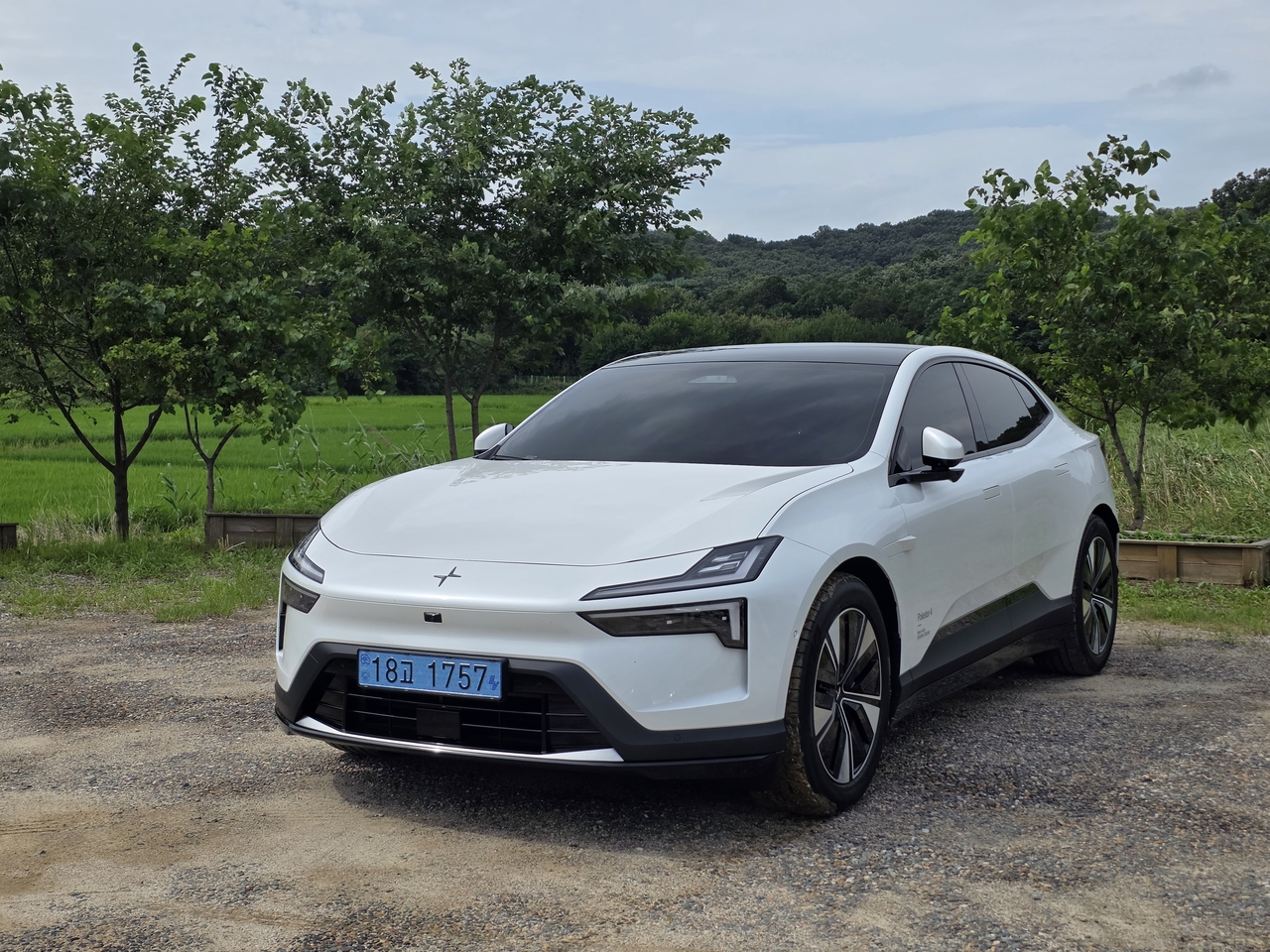
Polestar takes its name from the North Star, and the Polestar 4 Coupe lives up to that billing. Its sleek silhouette, clean logo and futuristic headlights command attention on the road. Step inside and the impression shifts again — a generous sense of openness and high-quality speakers combine to deliver a surprisingly cocooning comfort.
This reporter test-drove the Polestar 4 Coupe Rear Motor trim from Friday through Sunday in Seoul and the surrounding metropolitan area, covering both city streets and suburban roads to assess ride quality, cabin noise and convenience features.
Coupe sleekness, SUV-sized cabin
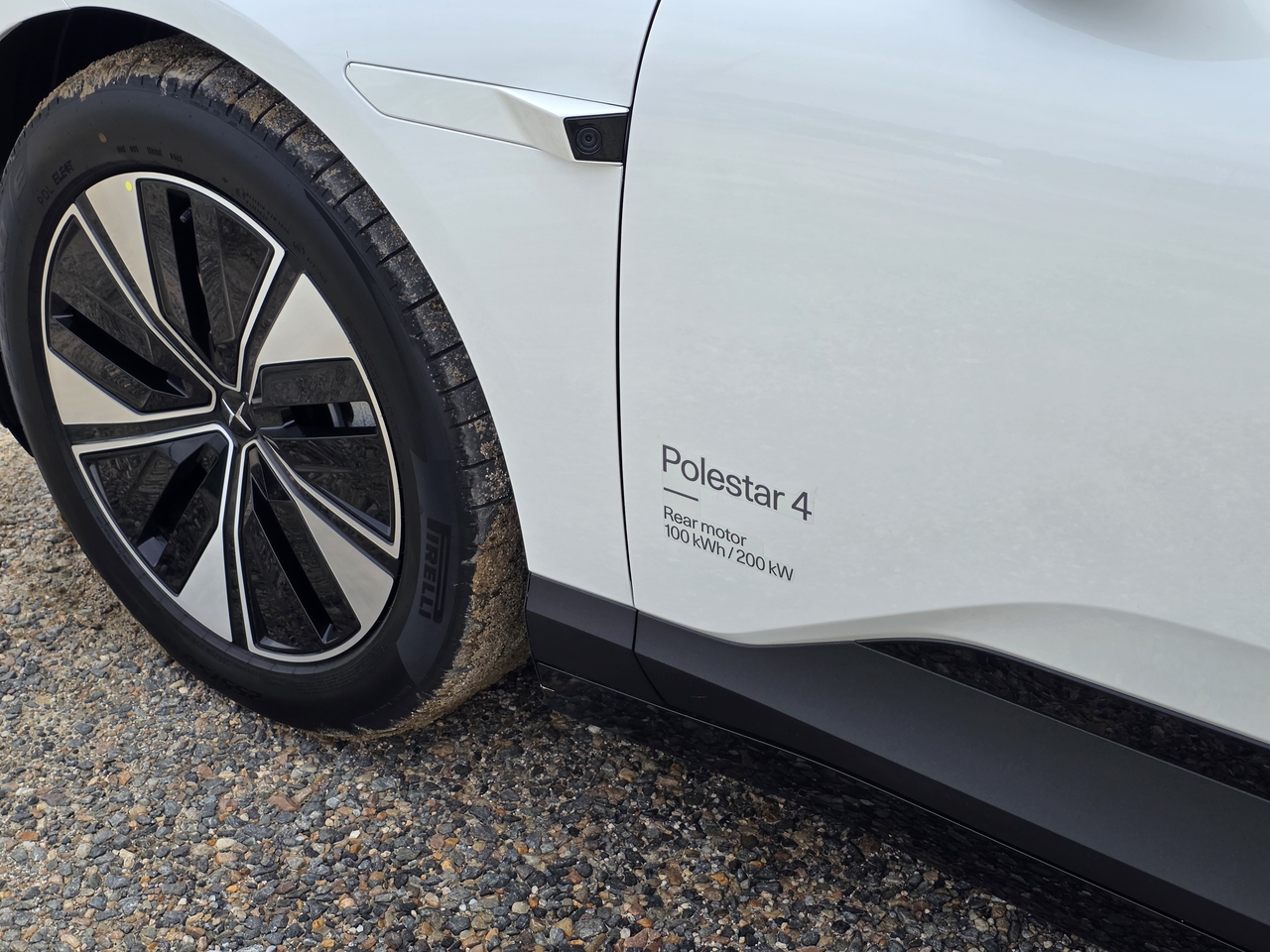
Starting with the 2027 model year, Polestar renamed the car from "Polestar 4 SUV Coupe" to simply "Polestar 4 Coupe." The company says the change more intuitively conveys the model's distinctive design — a blend of SUV practicality and a coupe's dynamic silhouette. Given the car's relatively low roof height of 1,545 millimeters and its sharp lines compared with a typical SUV, the new name feels like the better fit.
The exterior design strikes a balance between simplicity and visual clarity. The "dual blade" LED headlights, making their debut on the Polestar 4, project a forward-looking image and sharpen the brand's design identity. From the 2027 model year, the emblem contrasts with the body color for greater presence — the Snow-colored test vehicle wore a gray emblem. The "Polestar 4" text graphic on the door has also grown larger, making the brand instantly legible from the side.
The interior impresses with its spacious, airy feel. The Polestar 4 Coupe measures 4,840 millimeters in length with a 2,999-millimeter wheelbase and a width of 2,067 millimeters. The gap between the armrest and the seat means a sense of relaxed comfort greets the driver the moment they settle in.
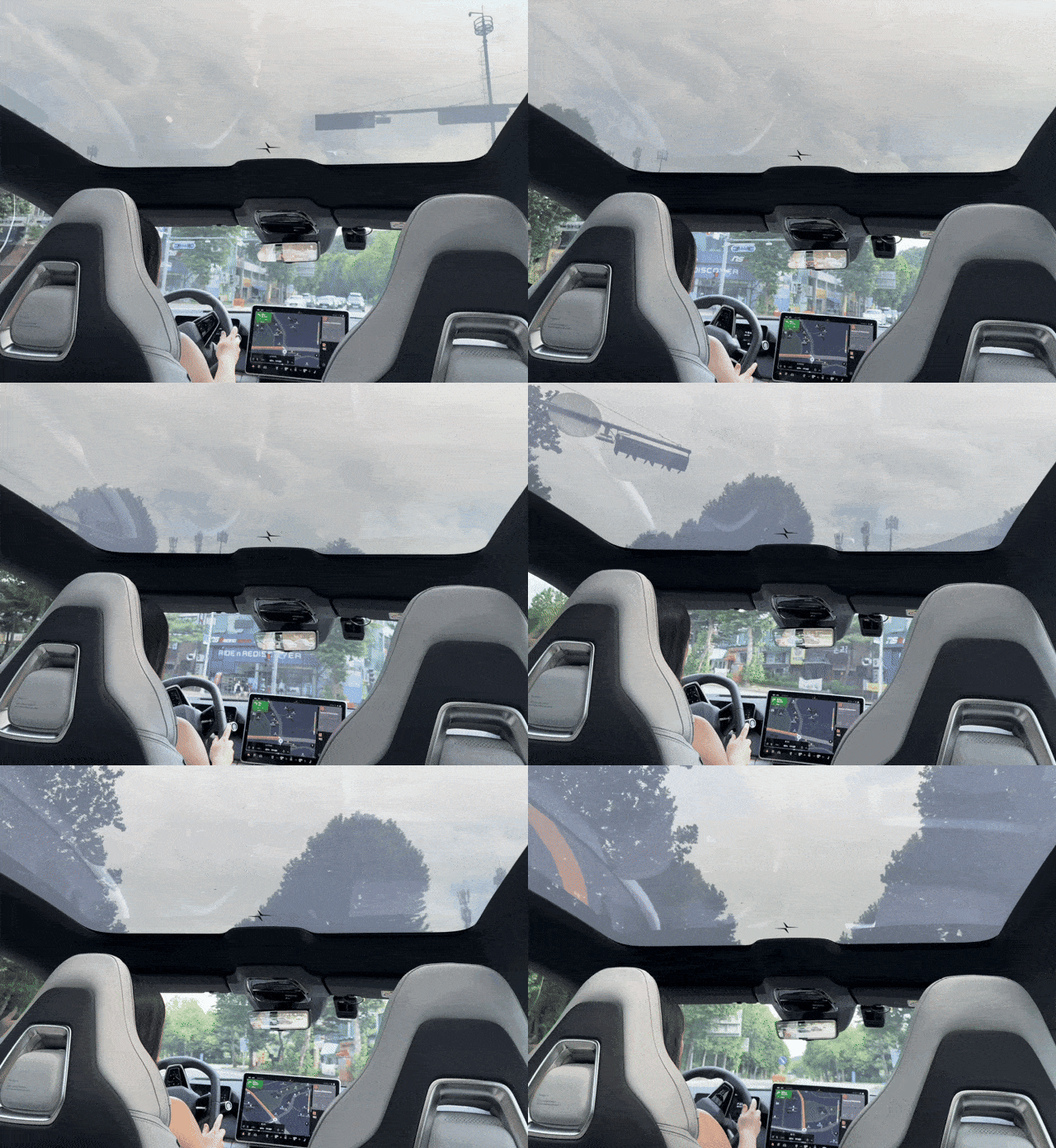
In the rear, the Polestar 4's signature decision to eliminate the rear window pays dividends. The space freed up by removing the glass has been redirected into larger rear headrests for passengers. A conventional rear window would have required smaller headrests to avoid obstructing the driver's sightline, but the Polestar 4 faces no such constraint. A panoramic glass roof adds to the sense of openness even in the back seat.
The plush ride, combined with the Harman Kardon premium sound system available in the Plus Package, made the cabin feel less like a sedan and more like a sofa. Particularly impressive is the ability to mute audio independently for the front and rear seats — a driver can focus on music or a phone call without disturbing a sleeping passenger. The Harman Kardon premium sound is included with the Plus Package.

Ride tuned for daily use; digital rearview mirror a handy touch
The suspension is tuned for comfort rather than stiffness. As the Rear Motor trim is not a high-output variant, it feels well suited to fatigue-free everyday driving. Steering is stable, with no noticeable pull during lane changes or cornering. The electric vehicle's inherent quietness, reinforced by strong sound insulation, makes it easy to focus on music or conversation while driving.
The Rear Motor trim produces a maximum output of 200 kW (272 horsepower) and accelerates from zero to 100 kilometers per hour in 7.1 seconds — a character better suited to everyday driving than sporty acceleration. The rated range on a single charge is 511 kilometers. Starting at 80 percent battery, this reporter drove between Suwon, Paju and Seoul over three days without charging, and 240 kilometers of range remained.
The digital rearview mirror is another standout convenience feature. This reporter, who is prone to motion sickness, felt mild discomfort during the first ride. By the second outing, however, there was no issue. In rainy conditions the mirror proved its worth — the wiper was unnecessary, which was a genuine advantage.
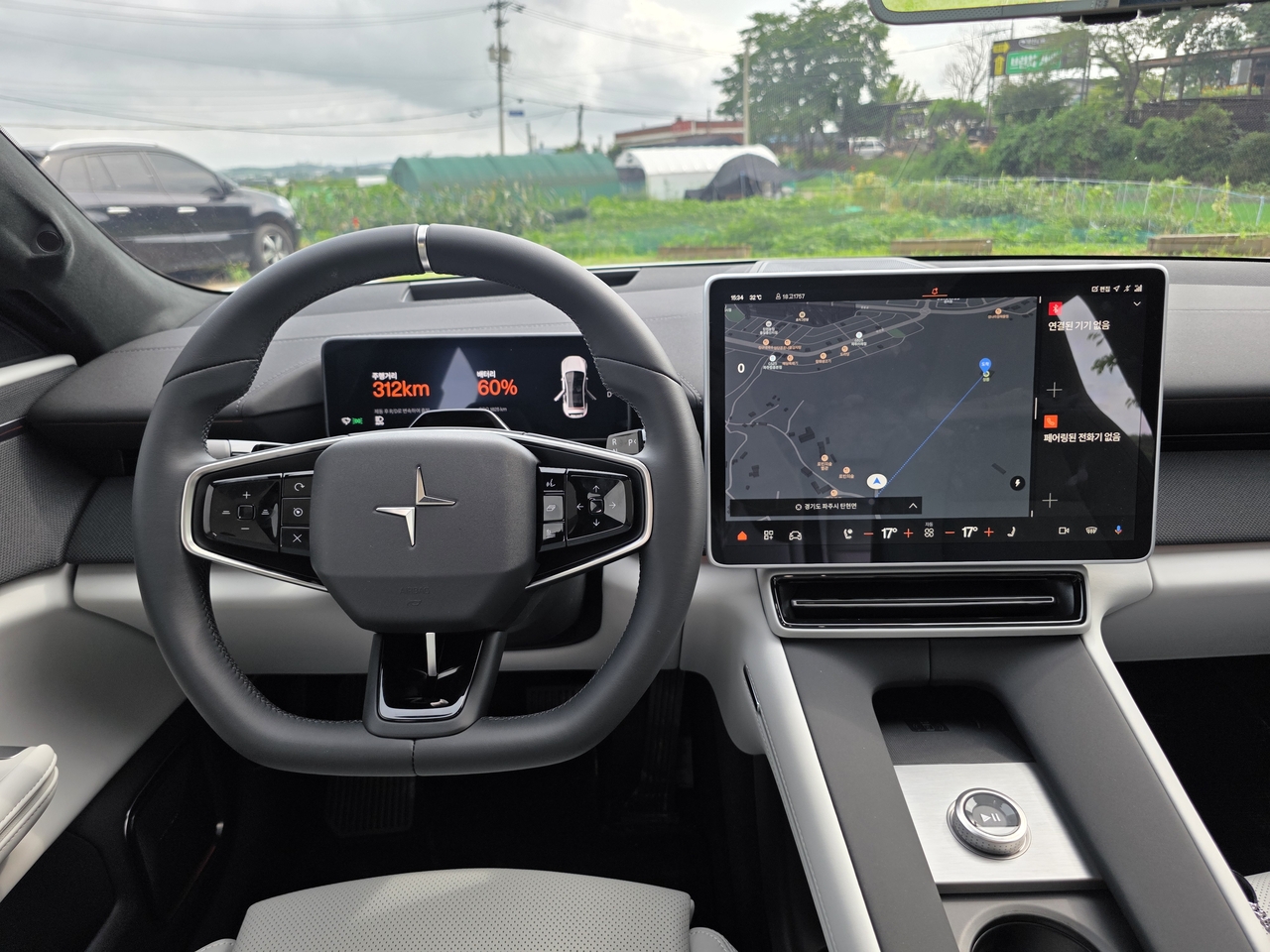
Driver-assistance features aimed at those less familiar with electric vehicles were also convenient. A creep function mimics an internal combustion engine by allowing the car to roll slowly when the driver lifts off the brake. One-pedal driving is adjustable across three levels.
The lack of Android Auto support was a disappointment. Music played through the Spotify app via Bluetooth occasionally stuttered when switching tracks. Polestar plans to address this through an over-the-air software update in the second half of the year.
The test vehicle — the Polestar 4 Coupe Rear Motor — came to 78.3 million won ($53,400) in total, adding a Plus Package (6 million won), a Snow exterior color (400,000 won), zinc-colored Nappa leather (4 million won) and an electrochromic glass roof (1 million won). The Polestar 4 Coupe starts at 66.9 million won.
eyre@heraldcorp.com