![New US Ambassador to South Korea Michelle Park Steel delivers a statement upon arriving at Terminal 2 of Incheon International Airport on Thursday. [Pool photo]](https://wimg.heraldcorp.com/news/cms/2026/07/31/news-p.v1.20260730.1d971f0e0fe54b89b47cd5a0e696dfa4_P1.jpg)
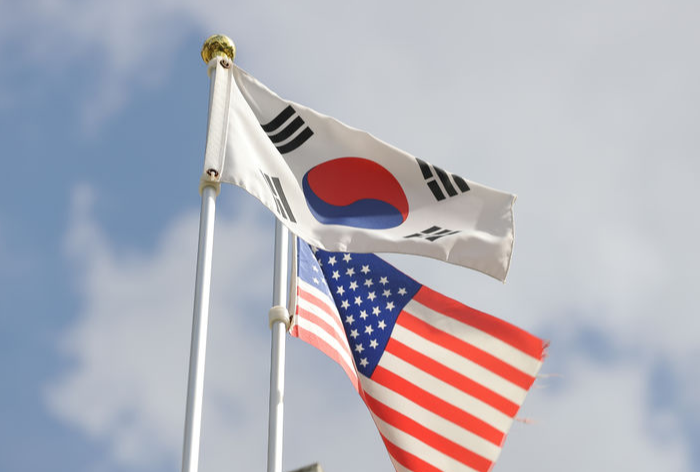
Michelle Park Steel (Korean name Park Eun-joo), the first Korean American woman to serve as US ambassador to South Korea, arrived Thursday, ending a roughly 18-month vacancy that had persisted since former Ambassador Philip Goldberg's departure.
Attention is now turning to whether her arrival can inject real momentum into a backlog of pressing bilateral security issues, including nuclear-powered submarine construction and civilian nuclear energy cooperation.
According to the US Embassy in Seoul, the formal credential presentation ceremony has been pushed back until President Lee Jae-myung returns from his South American tour, meaning Steel will need more time before officially beginning duties such as calling on the president.
In a statement delivered in Korean upon her arrival, Steel said she was "deeply grateful to be standing on this land again" and pledged to work to strengthen the alliance.
How Steel navigates investment flows into the United States, nuclear-powered submarine construction and follow-on nuclear negotiations will be closely watched.
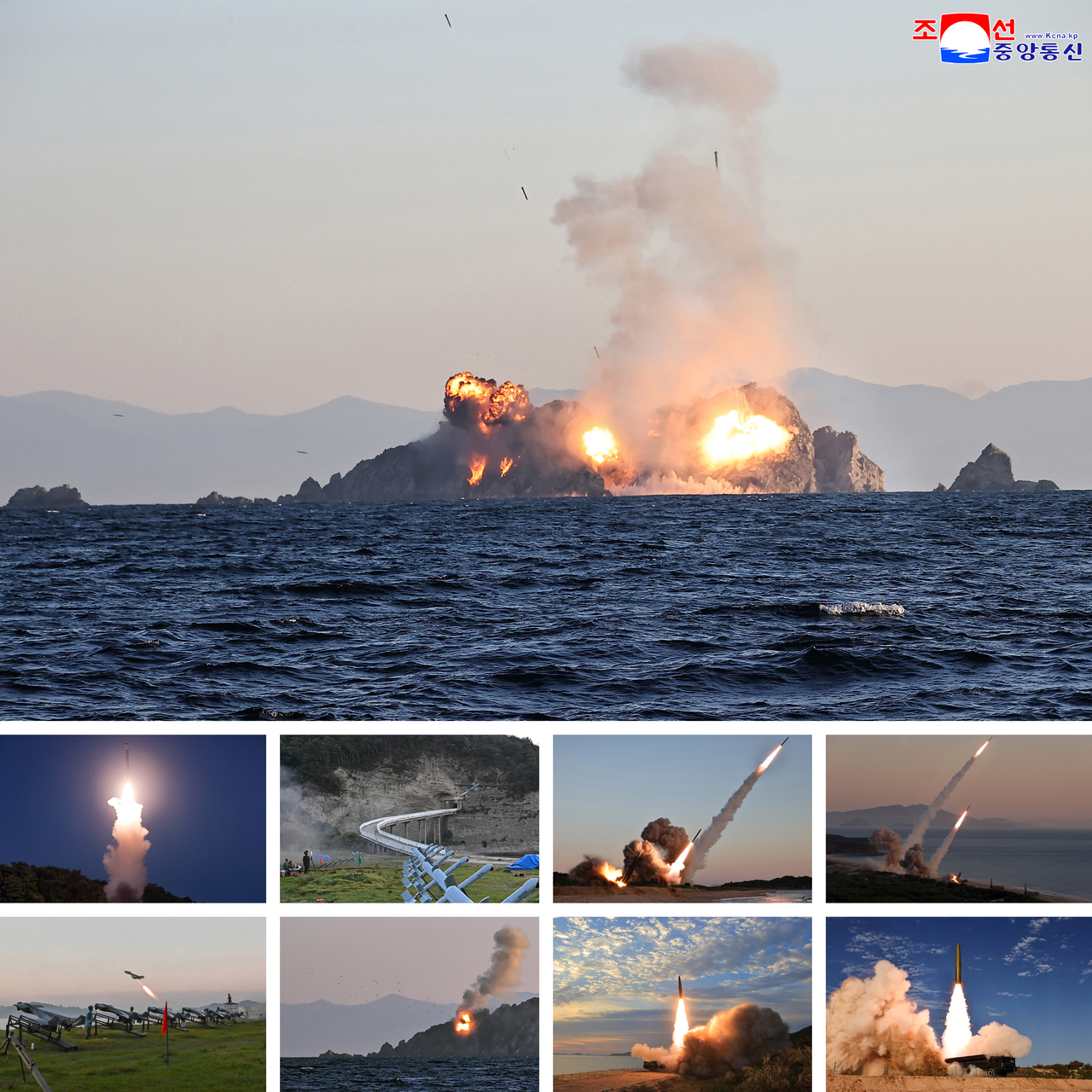
In practice, a full slate of security issues awaits her — civilian nuclear cooperation, nuclear-powered submarine construction, the transfer of wartime operational control and responses to North Korea's nuclear program.
Discussions on securing US-origin fuel for nuclear-powered submarines are ongoing, with a target start date of 2027. Efforts to obtain uranium enrichment and reprocessing rights under a civilian nuclear agreement have stalled for two months without a date set for a second round of talks, and a newly concluded US-Saudi nuclear pact has emerged as an added complication.
The transfer of wartime operational control aims for completion within President Lee's term, but the USFK commander has indicated early 2029 as the target for meeting the required conditions — a gap that reflects differing timelines between the two sides.
Extended deterrence against North Korea's nuclear threat was reaffirmed at last month's NCG meeting, but the term "extended deterrence" was dropped from the new US defense strategy, making credibility management a fresh challenge.
Trade friction — including issues surrounding Coupang Inc — adds to the pile, and Steel's ability to manage competing pressures under the America First policy framework is expected to face an early test.
With the top-level communication channel restored after months under an acting-ambassador arrangement, observers are watching whether Steel can leverage her direct line to President Donald Trump to lock in a date for the second nuclear cooperation talks and give real impetus to completing the operational control transfer roadmap.
Given the possibility of a shifting political landscape after the US midterm elections in November, analysts say there is a shared sense on both sides that negotiations must advance as far as possible before summer ends.
Born in Seoul in 1955 as the child of a displaced family, Steel served as a US House representative from California. She cleared Senate confirmation on June 17 — roughly three months after her April nomination — by a vote of 55 to 39.
rimsclub@heraldcorp.com