
Farming groups call for review of plan to use Naju Lake as industrial water source
Agricultural reservoirs unreliable for industry during droughts
Stable supply seen requiring use of Yeongsan River and other alternatives
Experts urge urgent policy to protect water resources for food security
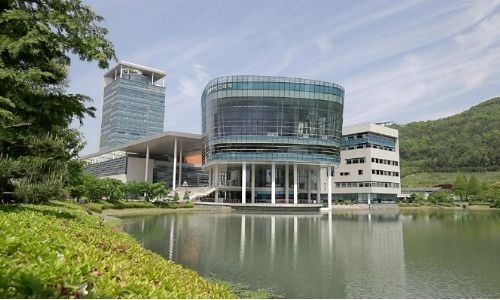
As the government pushes ahead with plans to build a Honam-region semiconductor industrial complex in the Gwangju and South Jeolla Province area — part of a broader balanced national development policy backed by 800 trillion won in investment — a proposal to draw the complex's water supply from agricultural reservoirs such as Naju Lake has drawn fierce opposition from the farming community in the region.
The South Jeolla Province chapter of the Korea Young Farmers Association issued a statement Monday calling for a full review of the government's plan to use agricultural reservoirs as an industrial water source.
The group said it supports the goal of nurturing advanced national industries but argued that diverting agricultural water — a public resource and the lifeblood of farmers — to industrial use threatens the country's food security.
The association pointed to the growing risk of water shortages as extreme weather events and droughts become more frequent. It warned that redirecting agricultural infrastructure, originally built to supply water to farmland, to industrial purposes would inevitably harm farmers whenever poor weather drives reservoir levels down.
Analysts also noted that the proposed water supply arrangement could prove a critical vulnerability for the semiconductor industry itself. Semiconductor production lines must operate around the clock, making a stable water supply essential. Relying on agricultural reservoirs, which are subject to significant volatility in water levels, risks supply cutoffs or rationing during droughts — potentially causing enormous production losses for the industry.
Farming groups are now calling on the government to abandon the plan to use existing reservoirs such as Naju Lake and instead develop a range of alternative supply options, including tapping the Yeongsan River system, connecting to a wide-area water supply network and developing new water sources.
Alongside this, the groups raised concerns about procedural legitimacy in the policymaking process. Rather than unilateral government decisions, they called for a consultative body bringing together farmers' organizations, local governments and relevant agencies, and urged the transparent disclosure of water supply and demand data so that social consensus can be reached first.
The association presented the government with five formal demands: the immediate withdrawal of plans to use agricultural reservoirs such as Naju Lake for industrial water supply; the establishment of alternative measures drawing on the Yeongsan River system and new water sources; the creation of legal and institutional safeguards to protect agricultural water; the formation of a consultative body with participation from local governments, farmers and residents; and the implementation of a sustainable water resource management policy grounded in mutual benefit.
"Protecting agriculture and advancing high-tech industry are not opposing goals — they are challenges we must pursue together," an association official said. "The government must abandon any policy framework that presupposes sacrifice by farmers and instead build a responsible water management system that draws on alternative sources such as the Yeongsan River."
kkm9971@heraldcorp.com





