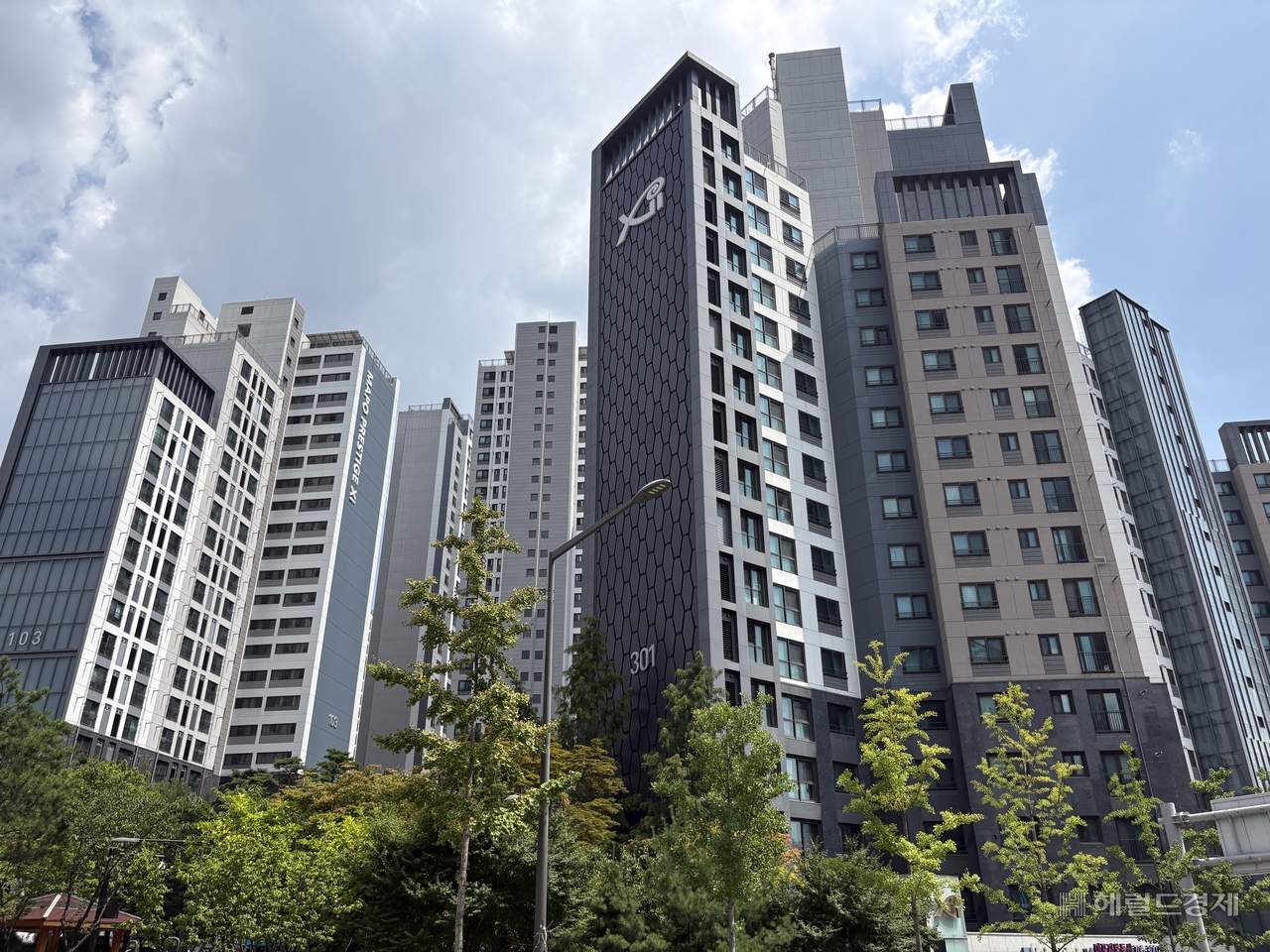
"Two or three out of every ten clients are landlords who want to move their tenants out and move in themselves. This neighborhood has always had a low owner-occupancy rate, but even before the tax reform proposal was announced, inquiries from non-resident single-home owners saying they wanted to move in started picking up."
— Representative of Agency A, Daeheung-dong, Mapo-gu
As the government moves to raise the tax burden on non-resident homeowners, high-priced properties and multi-home owners, those seeking to avoid the higher levies are acting fast. Multi-home owners are offloading properties, while non-resident single-home owners are increasingly choosing to move back in. Market watchers warn that in Seoul — where land transaction permit zones are in effect — both options, selling or converting to owner-occupancy, will push jeonse and monthly rent prices higher.
Real estate agencies visited in Mapo-gu on Wednesday afternoon said inquiries from landlords looking to evict tenants and reclaim their units for personal use have been rising. "Now that the long-term holding deduction standard has shifted from ownership to residency, owners will end up moving in just to preserve their tax benefits when they eventually sell," said the representative of Agency B in Daeheung-dong, Mapo-gu.
The representative of Agency C in Yeomni-dong, Mapo-gu, said a client who owns four properties in Mapo-gu, Yongsan and elsewhere came in Friday saying he was getting on in years and felt it was time to start selling. "Since homes with sitting tenants effectively can't be sold — because of loan transfer restrictions tied to ownership changes — he'll end up evicting the tenants first before listing," the representative added.
As more landlords choose to move back in or sell to reduce their tax exposure, the fear of eviction is becoming a reality for jeonse and monthly-rent tenants. With the supply of rental listings shrinking, already-elevated rents face additional upward pressure. The average jeonse price for apartments in Mapo-gu stood at about 659.6 million won ($465,000) as of June, according to the Korea Real Estate Board — up more than 30 million won from 627.55 million won a year earlier.
Some landlords have already raised jeonse prices by more than 100 million won. "Non-resident owners account for about 20 to 30 percent of this area, and even landlords whose actual tax burden has not increased yet can be psychologically swayed by market sentiment," said the representative of Agency D in Daeheung-dong, Mapo-gu. "Ahead of the autumn moving season, there are already landlords who have raised their jeonse asking price by 150 million won."
Even as displaced tenants — effectively "jeonse refugees" — multiply, buying a home in the same neighborhood is out of reach for most. Loan regulations make financing difficult: borrowers can take out a maximum mortgage of 600 million won on homes priced at 1.5 billion won or below, up to 400 million won on homes between 1.5 billion and 2.5 billion won, and up to 200 million won on homes above 2.5 billion won. Apartments in Mapo-gu are currently trading in the 2 billion to 3 billion won range.
Agents noted that the top price for an 84-square-meter unit in the area has hit 3 billion won. "How many people have that kind of cash?" they said, adding that sellers sometimes cut 10 million to 20 million won off their asking price to accommodate buyers constrained by loan limits.
Experts believe the trend will ultimately feed into higher home prices. "Real estate prices in the second half of the year will rise without question," said Kwon Dae-jung, a chair professor in the department of economics and real estate at Hansung University. "Contracts signed from September will start showing their effect around October — by then, jeonse and monthly rent prices will be up an average of more than 3 percent, and transaction prices will rise an average of 1 to 2 percent." He added that taxing non-residency will force owners to move into their own homes, including those who bought in Seoul but have been living in Gyeonggi Province. "Once all those people move into Seoul, real estate prices will have no choice but to go up," he said.
shy@heraldcorp.com
hss@heraldcorp.com