About six in 10 stores across major commercial districts in Seoul and large outlet malls in the greater Seoul area are running air conditioners while keeping their doors open — a practice known as "open-door cooling" — a new survey has found. Critics say the practice significantly drives up electricity consumption for cooling, yet government regulation has been effectively dormant for a decade.
Green Korea United, an environmental group, conducted the survey with citizen volunteers from July 15 to July 28, covering 506 stores across three major Seoul commercial districts and 664 stores inside six corridor-style outlet malls in the greater Seoul area, for a total of 1,170 stores. Of those, 669, or 57.2 percent, were running air conditioning with their doors open.
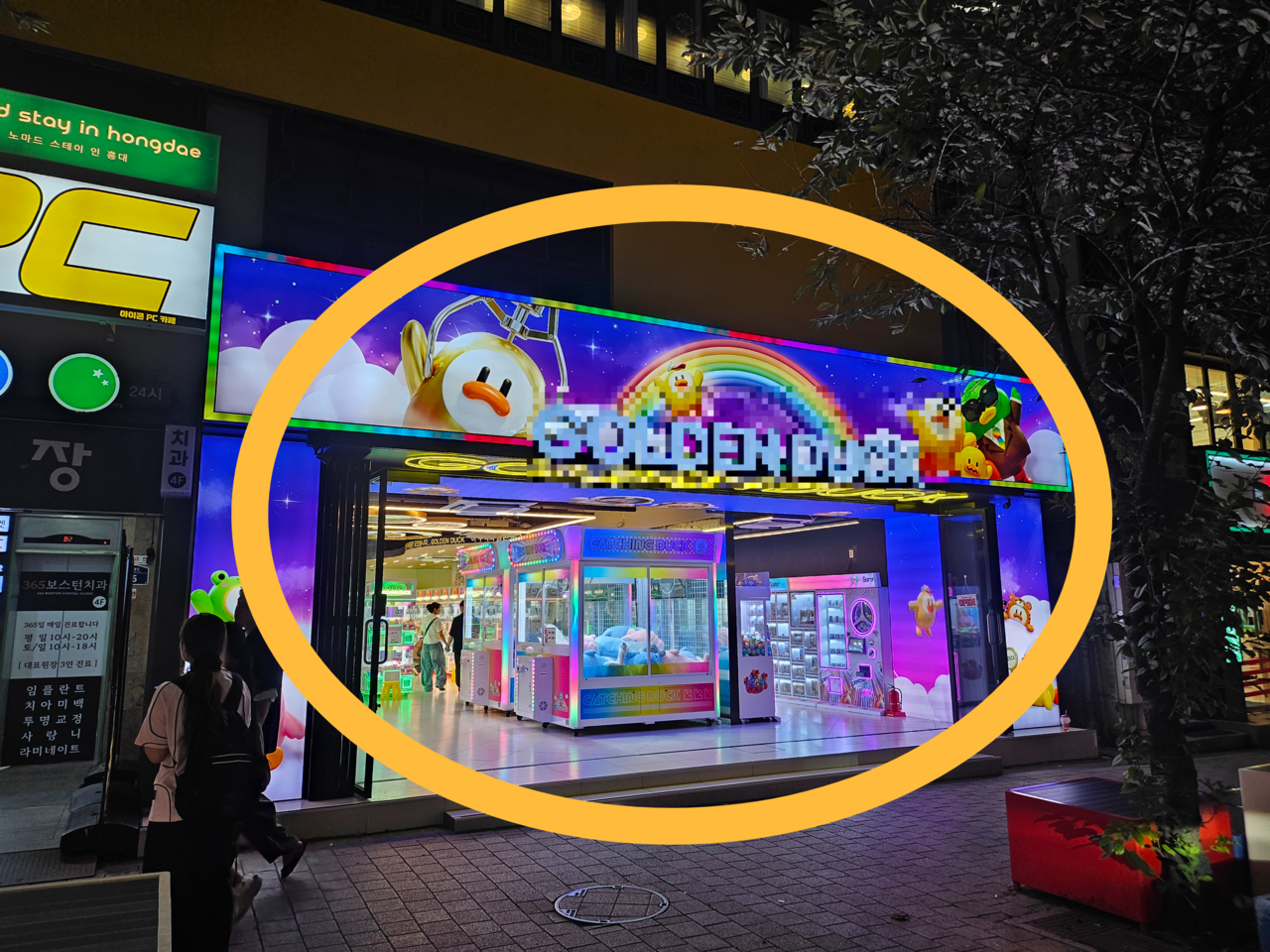
Cooling a store with the door open is estimated to consume roughly 1.7 times more electricity than cooling with the door closed. In some Seoul commercial areas, stores were found to have installed folding doors along their entire street-facing frontage and left them fully open while running air conditioning — a setup Green Korea United said results in even greater energy loss than leaving a single entrance door ajar.
A legal basis for restricting open-door cooling does exist. Under the Act on the Rational Use of Energy and related laws, the government can issue an energy-use restriction notice banning the practice of running air conditioning with doors open, which would then allow local governments to conduct inspections and impose fines.
However, the government last issued such a restriction notice in 2016. The current regime is designed as a temporary measure to stabilize energy supply only when "a serious disruption to energy supply and demand has occurred or is likely to occur," making routine enforcement structurally difficult.
Even when the government issues a restriction notice, on-the-ground enforcement has its limits, critics note. If a store owner claims during an inspection that the door was opened briefly for ventilation, it is difficult to conclusively establish that open-door cooling was taking place. Local governments are also mindful of potential backlash from merchants in their communities.
The government is currently placing greater emphasis on voluntary energy-saving campaigns than on regulation. This year, it plans to designate Aug. 10 through Aug. 23 — when electricity demand is expected to peak — as an "intensive energy-saving promotion period" and ask stores to refrain from open-door cooling. On Energy Day, Aug. 22, lights at Gwanghwamun, Seoul City Hall and the National Assembly building are scheduled to be turned off for 10 minutes.
Green Korea United called for permanent regulations, citing practices in other countries. "France and New York in the United States have systems that permanently ban open-door cooling and impose fines for violations," a Green Korea United official said. "South Korea also needs to adopt an active policy at the government level to prohibit open-door cooling."
brunch@heraldcorp.com