Christopher Nolan's "Odyssey" surpassed 4 million admissions Sunday — its 12th day in release — cementing its grip on Korean cinemas at the tail end of summer. Globally, the film has already become the highest-grossing entry in Nolan's filmography. Audiences and critics alike point to the director's signature analog filmmaking approach, the sweeping scale of a 3,000-year-old epic and an overwhelming in-theater experience as the forces driving interest in the film.
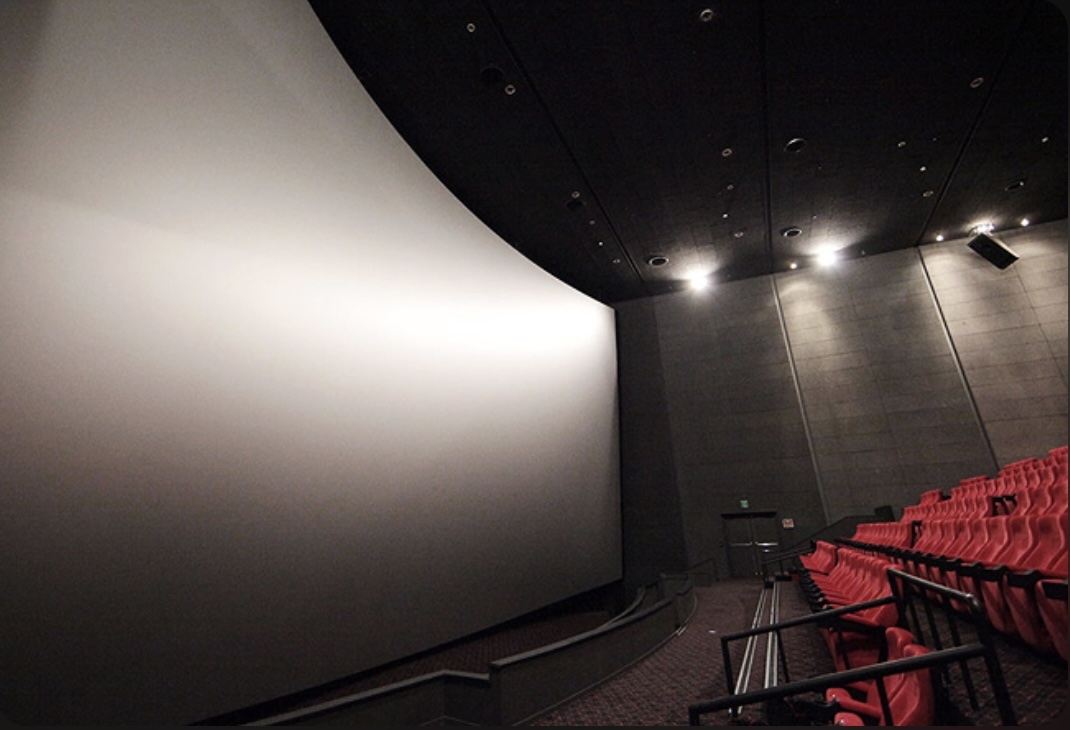
Yet what has generated even more buzz than the film itself is a single screen: the IMAX auditorium at CGV Yongsan I'Park Mall in Seoul, widely known by its nickname "Yongamak." Because "Odyssey" is the first film in cinema history shot entirely in IMAX 70mm for its full running time, the belief that "you have to see it at Yongamak to experience it the way Nolan intended" has spread rapidly.
IMAX showtimes for "Odyssey" at the venue sell out the moment reservations open, and scalped tickets priced above 100,000 won ($71) — more than five times face value — have appeared on secondhand trading apps, sparking controversy.
Now, as audience reviews accumulate, a subtle sense of bewilderment has emerged among some viewers. The question being asked: "I paid that much — was this really the definitive version?"
Is the Yongamak screening of 'Odyssey' really the complete version?
Part of what makes "Odyssey" remarkable is that it is the first film ever shot entirely on IMAX film cameras across its full 172-minute running time. That process produces an aspect ratio of 1.43:1 — far taller than the roughly 2.35:1 ratio of a standard CinemaScope presentation.
In South Korea, only one screen can reproduce that 1.43:1 ratio in full: the IMAX auditorium at CGV Yongsan I'Park Mall. For anyone wanting to see the complete frame as captured, Yongamak is the only option in the country.
That reality explains both why the "nowhere else matters" perception took hold so quickly and why tickets vanished almost instantly after the film opened.
Here, however, is a fact many viewers have overlooked. Only 41 venues worldwide project Nolan's 70mm IMAX footage as actual film — running physical celluloid through a projector. Not one of those 41 is in South Korea. Yongamak is not among them.
Of those 41 venues, 25 are in the United States, with eight concentrated in California alone. Canada has nine, the United Kingdom three, and Australia, Belgium, the Czech Republic and France one each. True 70mm film IMAX is absent not just from Korea but from all of Asia.
Yongamak is a 4K digital GT laser auditorium. Rather than threading physical celluloid through a projector, it fires 4K digital data through dual laser projectors. Its distinction is that it is the only screen in South Korea capable of reproducing the 1.43:1 aspect ratio — matching that of a film IMAX presentation.
In other words, "Odyssey" at Yongamak delivers the correct 1.43:1 frame, but the presentation itself is 4K digital, not film. The resolution of 70mm IMAX film — which can reach the equivalent of up to 18K — along with the medium's distinctive fine grain, cannot be fully replicated.
Put plainly: no one in South Korea, no matter how much extra they pay, can see in a theater the original image quality Nolan captured on film.
Audience reactions have been divided. Some who fought through the frenzied ticketing process feel deflated at not having seen the "original" presentation. Others argue that Yongamak remains the closest available alternative and that its specifications are more than sufficient for most viewers to enjoy "Odyssey."
Is Yongamak only 'half' the experience? Does it even matter?
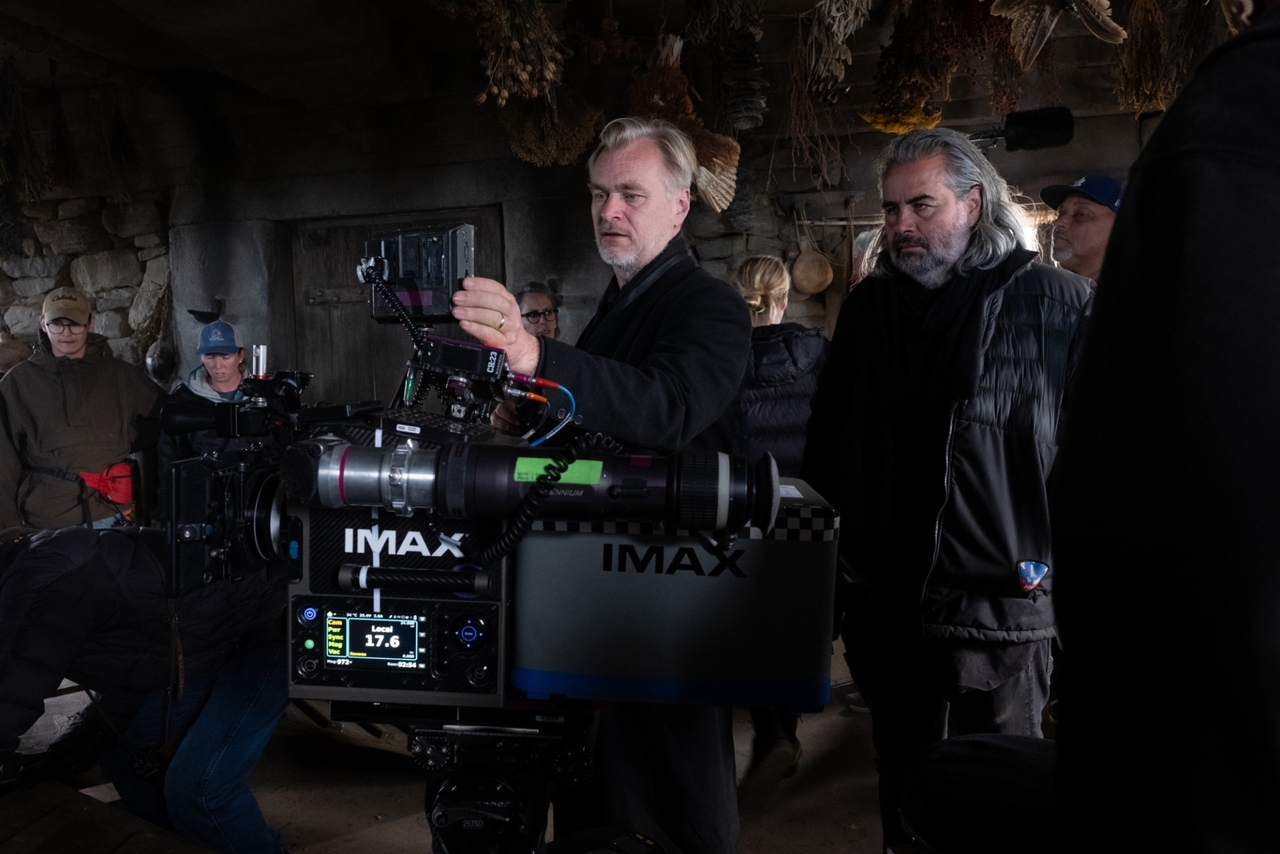
That does not mean Yongamak is without value. In a past interview, Nolan said that "the interesting thing about shooting in IMAX is that when you scan it into a digital format, you're working with the best possible image you can get," adding that "it translates beautifully to new projection technologies like laser projectors."
The logic is straightforward: because IMAX film captures such a vast amount of visual information, even a digital scan retains exceptional quality — meaning the latest laser projection systems can render it with impressive fidelity.
Seeing a film as its creator fully intended does carry meaning, and "Odyssey" is no exception. Watching it in a dedicated venue may bring viewers closer to Nolan's stated hope that "audiences find something new and exciting." But a cinematic experience is not defined by the screen alone, and the absence of a true film IMAX venue does not automatically halve what the film has to offer.
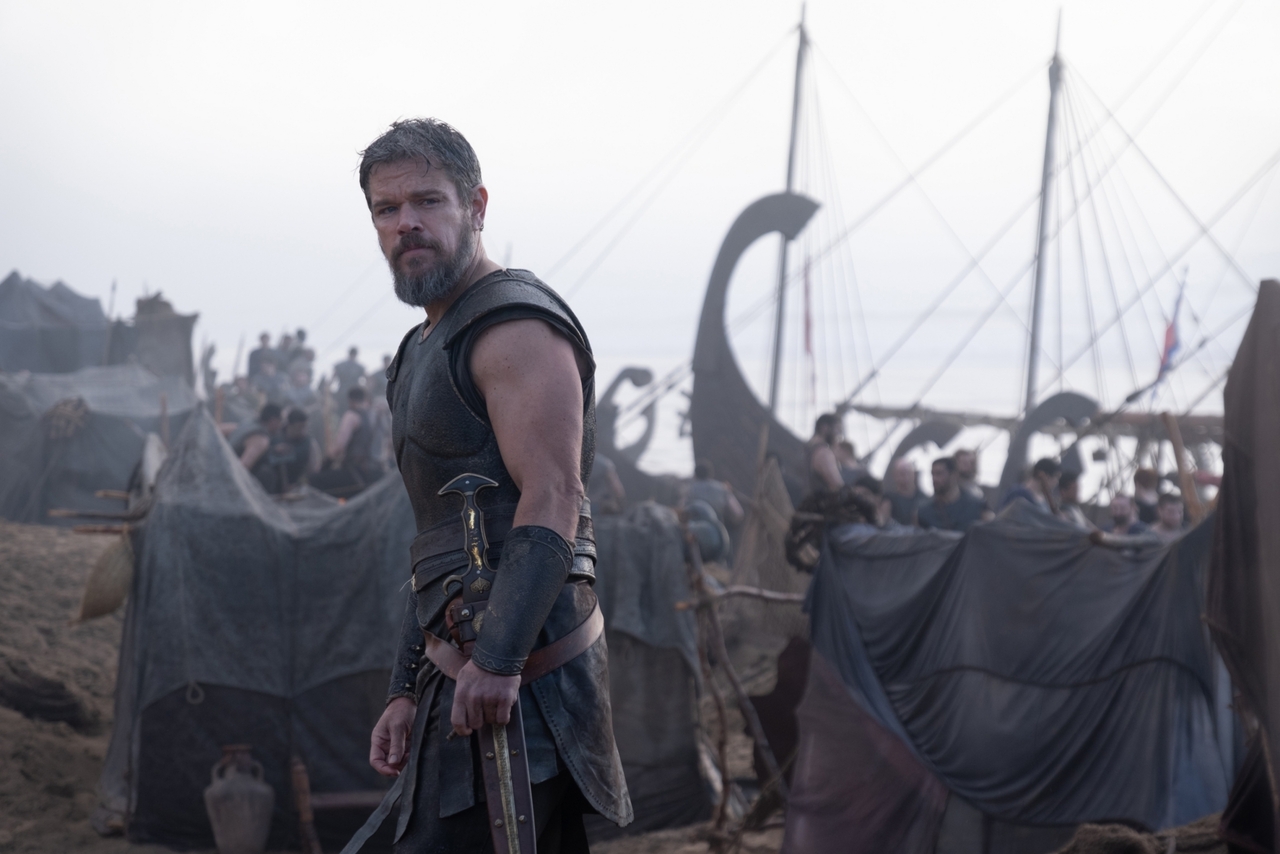
"Odyssey" traces Odysseus's journey with a grandeur befitting the ancient epic, while using a myth passed down through oral tradition for millennia to probe the wounds of war, a hero's anguish and the nature of self-reflection. One foreign outlet noted that "the IMAX format can support an appreciation of the scale and presence" of the epic, "but that is not the only motivation behind the making of this film."
balme@heraldcorp.com